 Michael Campbell
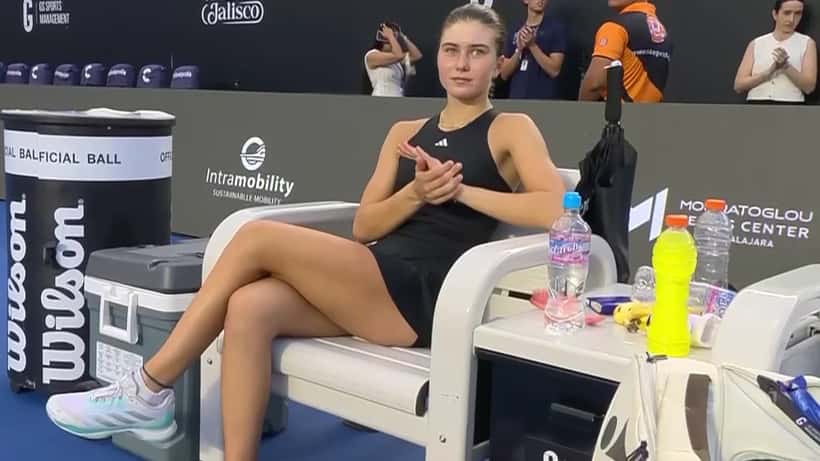
Iva Jovic stepped onto the Roland Garros clay courts on May 26, 2026, at 18 years old, ranked No. 17 in the world and carrying more than $2.1 million in career prize money. That number — extraordinary for a teenager — is also a flashing signal for financial advisors: young athletes who accumulate wealth this fast almost always need professional guidance before they have the tools to manage it.
Who Is Iva Jovic and Why She's Trending Now
Born in Torrance, California on December 6, 2007, to Serbian parents, Jovic turned professional as a teenager and has risen faster than nearly any American player in a generation. In 2026 alone, she reached the quarterfinals of the Australian Open, where she fell to world No. 1 Aryna Sabalenka, and posted semi-final appearances in Charleston and Auckland. Her career-high ranking of No. 16 was set on March 30, 2026.
At the 2026 French Open, she faces Alexandra Eala in the first round — a high-profile match that has put her squarely in the spotlight. But beyond the scoreboard, Jovic's rapid ascent is a case study in the financial challenges facing young professional athletes.
The Sudden Wealth Problem: Why $2 Million at 18 Is Complicated
Most 18-year-olds do not have $2 million in the bank. Most of those who do are not managing it wisely — at least not without help. This is not a criticism of young athletes; it is a structural reality of professional sports.
Research consistently shows that a significant portion of professional athletes experience financial distress within years of their retirement, despite lifetime earnings that dwarf average American salaries. The causes are well-documented: poor investment choices, over-reliance on personal networks for financial advice, lack of tax planning, and lifestyle inflation that outpaces income.
For a player like Jovic, still at the beginning of her earnings curve, the stakes are especially high. Her current prize money represents a fraction of what she could earn at peak if she stays healthy and continues to rise through the rankings. Decisions made now — about spending, investing, and tax strategy — will compound for decades.
The Tax Trap for International Athletes
One of the least-understood financial challenges for touring tennis players is the complexity of their tax obligations. Professional athletes who compete internationally earn income in multiple countries, which triggers filing obligations in each of those jurisdictions — and sometimes double taxation unless treaty protections are properly claimed.
Jovic is an American citizen, which means she is subject to U.S. income tax on worldwide earnings regardless of where the money was earned. But she also owes taxes in France for money earned at Roland Garros, in Australia for her Australian Open results, and so on across the tour calendar.
The U.S. maintains tax treaties with most major tennis-touring countries, but claiming treaty benefits is not automatic. It requires filing the correct forms with the IRS and, in many cases, with foreign tax authorities as well. Failure to do so can result in double taxation on the same prize money.
According to the IRS, athletes and entertainers who receive income from multiple countries must carefully track which income was "sourced" in which jurisdiction and apply the relevant treaty provisions. Many young athletes discover this complexity for the first time when they file taxes after their first major international season — often with a painful surprise.
What Wealth Managers Actually Do for Pro Athletes
The assumption that a wealth manager is only for people with tens of millions of dollars is outdated and, for young athletes, potentially costly. A financial advisor who specializes in athlete finances typically provides several services that are most valuable precisely when an athlete is young and earning:
Tax strategy from day one: Structuring income correctly during early career years can create significant long-term advantages. This includes decisions about residency, retirement account contributions, and business entity structure.
Investment planning: Prize money invested early, even in relatively conservative vehicles, produces dramatically different outcomes over a 20-year horizon than money spent or held in low-yield accounts. An advisor who understands the irregular income pattern of professional athletes — strong earning years followed by possible injury gaps — can build a portfolio that accounts for this variability.
Contract and endorsement review: As Jovic's profile rises, endorsement offers will follow. The terms of these deals — payment structure, exclusivity clauses, image rights, and termination conditions — can have significant financial implications that require professional review. As other rising tennis stars have learned, a poorly structured sponsorship deal can limit future earnings even after the original deal expires.
Lifestyle budgeting: Travel, equipment, coaching, and fitness expenses in professional tennis are substantial. A player-centered advisor helps distinguish between tax-deductible business expenses and personal spending, optimizing the deduction picture and avoiding common IRS audit triggers.
For young athletes navigating these issues, the investor.gov resource from the U.S. Securities and Exchange Commission provides foundational information on investment types and the questions to ask any financial professional before engaging their services.
When Should a Teen Athlete (or Their Family) Consult a Wealth Manager?
The simple answer: earlier than feels necessary. Most financial advisors who work with professional athletes recommend establishing a formal advisory relationship at the same time an athlete begins earning at a professional level — not after a major windfall.
For Jovic and athletes like her, the right time was probably before the prize money crossed $1 million. But the second-best time is now. A wealth manager who specializes in athletes will typically begin with a comprehensive review of current financial position, tax exposure, and spending patterns before building a long-term plan.
Key questions to ask when evaluating a financial advisor include: Do they have experience with professional athletes? Are they a fiduciary — legally required to act in the client's best interest? Do they understand international income sourcing and treaty claims? What is their fee structure?
The tennis world has produced cautionary tales alongside its champions. Connecting with a specialist early — and choosing one who is genuinely independent of agents, family members, and sponsorship networks — is the single most impactful financial decision a young athlete can make. For readers dealing with sudden wealth or complex international income at any age, consulting a qualified wealth management professional is the first concrete step toward protecting what they have earned.
This article provides general financial information for educational purposes only and does not constitute financial or tax advice. Consult a licensed financial advisor and tax professional for guidance specific to your situation.
