 Charles Jackson
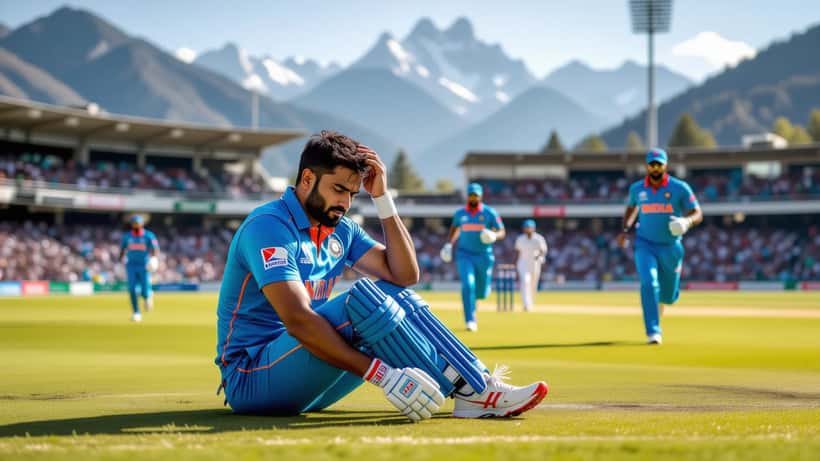
India's ODI series against Afghanistan begins on June 13, 2026, in Dharamsala — and two of the nation's biggest stars are already ruled out. Virat Kohli, sidelined with a distal semimembranosus tendon tear sustained during the IPL 2026 final, and Hardik Pandya, nursing a quadriceps strain, were both officially withdrawn by the Board of Control for Cricket in India (BCCI). Even captain Rohit Sharma's availability remains uncertain following his own IPL-related injury. Beyond the cricket headlines, the mass withdrawals raise a pointed legal question: who is responsible when a professional athlete is injured — and what rights do players have when caught between two employers?
The IPL-BCCI Dual Contract Problem
India's top cricketers simultaneously hold BCCI central contracts (as national team members) and annual franchise contracts with their respective Indian Premier League clubs. Both contracts impose performance obligations, but the liability frameworks are distinct. According to the International Cricket Council's Player Participation regulations, national boards retain the right to prioritize international fixtures, yet no binding mechanism exists to compensate a player for lost national team earnings when an injury is sustained during a domestic franchise event.
In Kohli's case, the injury occurred during what should have been a triumphant IPL final. His hamstring gave way at the peak of the tournament. Under the franchise contract, medical costs are typically covered by the team's insurance policy. But what about the BCCI match fees and performance bonuses he forfeits for three ODIs? These can amount to tens of thousands of dollars per game at international rates — compensation that falls into a legal gray zone.
What Happens When Two Contracts Collide
Sports contracts at any level — from the IPL to a local cricket association — carry the same foundational problem: they rarely address the intersection of obligations clearly. For professional athletes and sports managers, several legal risks emerge whenever a player is injured in one competition and misses another:
Negligence liability: If franchise coaching staff played a player through an existing injury during the IPL, knowing the risk of aggravation, the franchise could face a negligence claim. The standard varies by jurisdiction, but the principle applies whether you're in Mumbai or Miami: employers have a duty of care to those in their employ.
Insurance coverage gaps: BCCI central contracts include health insurance provisions, but the boundary between what franchise insurance covers and what national board coverage applies to is often ambiguous. Pandya's quadriceps strain is a fresh injury — yet which policy takes primary responsibility for his rehabilitation costs depends on the precise wording of both contracts.
Career trajectory claims: In emerging sports law jurisprudence, particularly in European football and American professional leagues, athletes have begun exploring claims for career harm — the long-term earning potential lost when an avoidable injury derails a professional season. These claims are complex, but they are no longer fringe arguments.
Rohit Sharma's situation adds a further layer. His availability is being assessed "day by day," which signals that the BCCI selection committee is simultaneously navigating legal, medical, and commercial obligations — a balancing act that sports lawyers handle routinely.
The Wider Significance for Amateur Athletes
The Kohli-Pandya situation mirrors challenges faced by everyday athletes across the United States who play in multiple competitions simultaneously: adult recreational leagues, company sports teams, regional tournaments, and amateur championships. Most assume their existing health insurance covers any sports injury. In reality, many sports associations require participants to sign liability waivers that transfer risk away from the organizing body, and the interplay between club insurance, association coverage, and personal health plans frequently creates unexpected gaps.
Four legal checkpoints every athlete should know before the season starts:
- Read every contract and waiver before signing. Even a recreational cricket league registration form may include clauses that waive your right to claim against the organizer for injuries caused by unsafe conditions.
- Verify your sports injury insurance. Many standard health insurance plans exclude injuries sustained during organized competitive sports. Check whether your employer or the league carries supplemental accident coverage.
- Document injuries at the time they occur. Contemporaneous medical records and incident reports are essential for any future legal or insurance claim. A delay in documentation can fatally weaken a case.
- Understand dual-commitment risks. If you are contractually obligated to two teams or tournaments simultaneously — even at an amateur level — and an injury in one causes you to breach obligations to the other, you could face liability questions from both sides.
Protecting Your Rights as a Sports Professional
The India-Afghanistan ODI series is the highest-profile example this week of a problem that repeats itself at every level of organized sport. When the game stops for injury, the legal landscape does not. Whether you are a professional cricketer navigating BCCI and IPL obligations, a youth athlete whose parents signed a tournament waiver on their behalf, or a semi-professional player injured during an employer-sponsored sports day, the questions are structurally the same: who owes you a duty of care, and what happens when that duty is breached?
A sports lawyer or legal expert with experience in employment and personal injury law can review your contracts, identify coverage gaps, and advise on your options before an injury becomes a dispute. The BCCI's scramble to find replacements for Kohli, Pandya, and potentially Sharma is a reminder that even the world's wealthiest cricket board must navigate these intersections carefully.
Disclaimer: This article provides general information on sports law and does not constitute legal advice. If you are involved in a sports-related legal matter, consult a qualified attorney.
