 Carl Graham
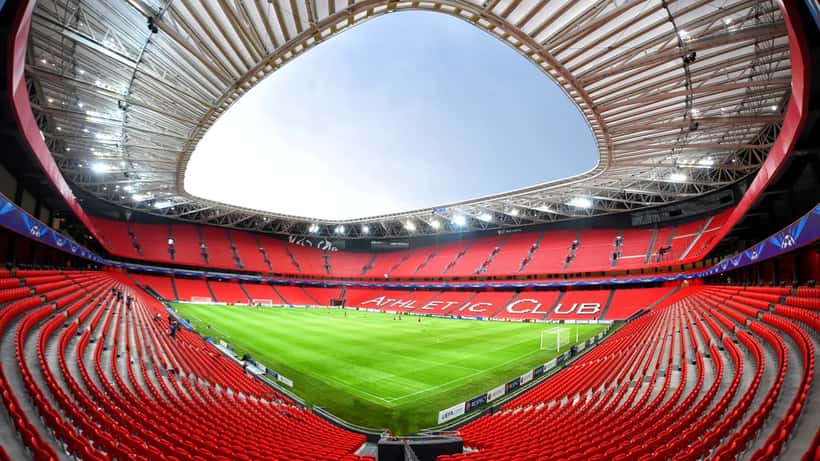
Nico Williams limped off the pitch on May 9, 2026, during Athletic Bilbao's 1-0 home defeat to Valencia, clutching his hamstring after a routine sprint. Four days later, as Athletic prepares to visit RCDE Stadium for a Gameweek 36 La Liga clash against Espanyol on May 13, 2026, his participation in the 2026 World Cup with Spain is reportedly in doubt. The 23-year-old winger's muscular problem could cost both his club and his country, but it also opens a familiar legal question that every professional athlete (and every fan with a stake in their career) eventually faces: who pays when injury changes everything?
What Happened at San Mamés
Athletic Bilbao's medical staff have not yet released a recovery timeline, but Spanish outlets report Nico Williams will undergo further scans this week. The Basque club, currently 9th in La Liga with 44 points, also lose midfielder Beñat Prados and Oihan Sancet through injury, plus defender Yuri Berchiche. Espanyol, sitting 15th with 39 points and still chasing their first 2026 win, host the match with their own crisis: Carlos Romero, Cyril Ngonge, and Javi Puado are all sidelined, while Fernando Calero and Tyrhys Dolan serve suspensions.
The timing matters. Spain's 2026 World Cup squad announcement is weeks away, and Williams has been a starting candidate for Luis de la Fuente. A long-term hamstring tear could end that hope.
Why This Is More Than a Football Story
For elite athletes, an injury sustained at club level can trigger a cascade of legal and financial consequences that the average fan never sees. Player contracts contain dense clauses governing image rights, performance bonuses, salary continuation during rehabilitation, and disability insurance. When a national-team opportunity is lost to a club-injury, the financial gap can run into millions of euros across endorsement deals tied to tournament visibility.
According to FIFA's Regulations on the Status and Transfer of Players, clubs are typically liable for medical treatment costs and continued salary during rehabilitation, but the boundary between "match-related" and "off-duty" injuries can be litigated. Spanish labour law also classifies professional footballers as special-relationship employees under Real Decreto 1006/1985, meaning standard employment protections apply with key exceptions around contract duration and injury rehab.
The Insurance Layer Most People Don't See
Top-tier clubs carry catastrophic injury insurance that covers career-ending events, but the policies rarely cover lost endorsement income or national-team bonuses. That gap is what creates work for sports lawyers. A standard career-shortening payout might cover 60% to 70% of remaining contract value, but a player who loses a World Cup spot also loses sponsorship escalators, image-rights revenue, and post-tournament transfer leverage.
For Williams specifically, Athletic Bilbao reportedly inserted a release clause around €58 million in his last renewal. A serious injury before the summer transfer window could effectively pause that clause's market value. Athletes in this position increasingly retain specialised legal counsel to negotiate amended terms with clubs, sponsors, and the national federation.
What Fans and Aspiring Athletes Should Know
Even if you're not Nico Williams, the framework matters. Semi-professional athletes, academy players, and youth-team contracts often skip these protections entirely. The Spanish Footballers' Association (AFE) regularly assists players whose clubs fail to honour rehabilitation salary obligations, and many cases are resolved through specialised labour tribunals rather than civil courts.
For US-based players considering professional opportunities in Europe, the legal environment differs significantly from MLS contracts under the NFLPA-style collective agreement. European contracts are individually negotiated, longer, and contain different injury-protection language. A sports lawyer familiar with both jurisdictions is essential before signing.
What to Do If You're an Athlete With Contract Questions
If you or someone in your family plays at a competitive level (including collegiate, semi-pro, or international youth circuits), three steps protect your future:
- Review your contract before injury, not after. Disability clauses, salary-continuation language, and image-rights protections must be in writing before a problem arises.
- Confirm insurance coverage independently. Many clubs claim "full medical cover" without specifying lost-income protection. Ask for the policy in writing.
- Document every medical visit. Workers' compensation principles apply: an undocumented injury is harder to claim.
The US Department of Labor maintains a directory of state-by-state workers' compensation rules that apply to athletes employed by professional clubs domiciled in the United States: Workers' Compensation Information.
The Bottom Line
Whether Nico Williams plays on May 13, 2026, or sits out the rest of La Liga, the legal questions surrounding his injury will outlast this season. For any athlete, contract clarity before injury is worth far more than litigation after. A lawyer specialising in sports contracts can review your terms, flag protective gaps, and help you understand exactly what your career is worth on paper.
Want a confidential review of your sports contract or your child's youth-academy agreement? An experienced sports-law attorney can help you protect what you've earned before the next injury, transfer, or tournament changes the equation.
