 William Reed
The national average price of regular gasoline reached $3.94 a gallon on July 16, 2026, according to AAA, inching toward the $4 mark and sitting roughly 20% higher than the $3.14 drivers paid a year ago. With instability along the Strait of Hormuz pushing crude oil toward $80 a barrel, the pump is not expected to cool off soon. Before you change how far you drive, a mechanic will tell you to change how your car drives — because a poorly maintained vehicle can quietly burn 20% to 30% more fuel than a well-kept one.
That gap is where the real savings hide. You cannot control the price of a barrel of oil, but you have direct control over how many miles you extract from every gallon you buy. Here is what an experienced technician checks first when a customer complains that fuel is "disappearing."
The Hidden Cost of Neglected Maintenance
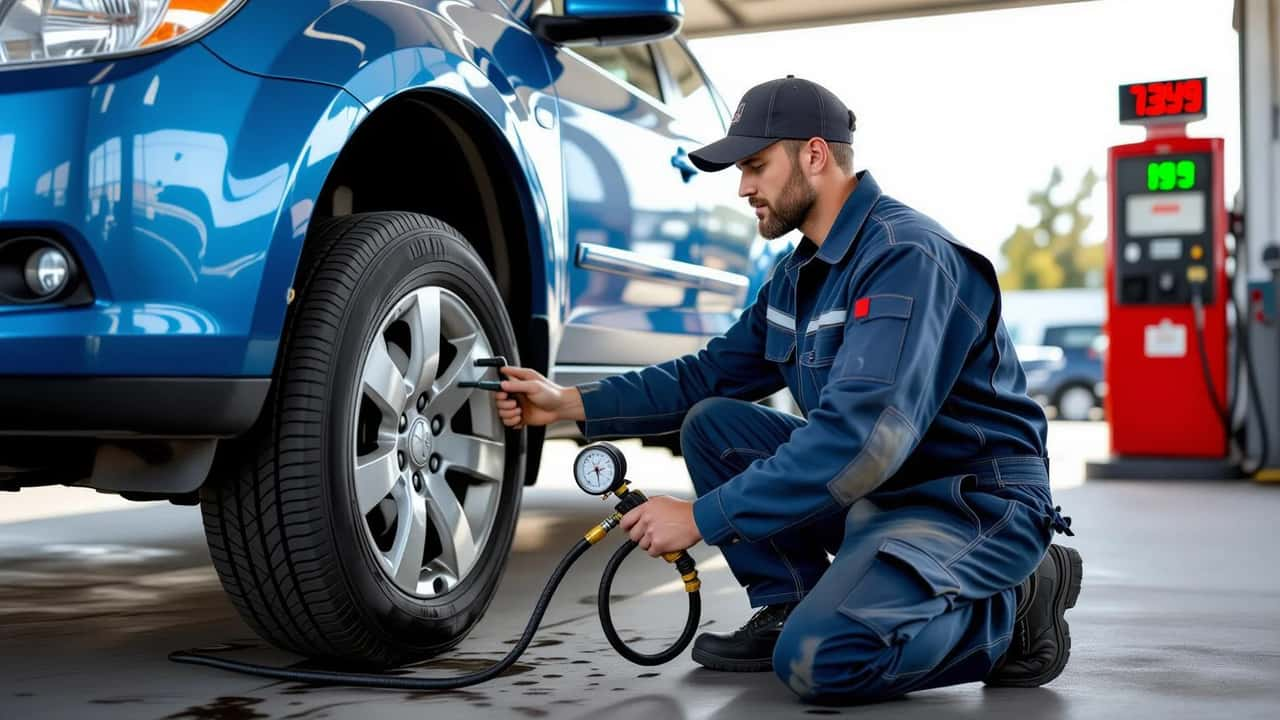
The single biggest fuel drain most drivers ignore is tire pressure. Under-inflated tires increase rolling resistance, forcing the engine to work harder. The U.S. Department of Energy's fuel-economy program estimates that keeping tires inflated to the manufacturer's recommended pressure can improve gas mileage by up to 3%, while every tire that is significantly low can shave a fraction of a percent on its own. At $3.94 a gallon, a 3% improvement is real money over a year of commuting.
Air filters are the next suspect. A clogged filter on older carbureted engines could cut mileage dramatically. On modern fuel-injected vehicles the mileage penalty is smaller, but a dirty filter still hurts acceleration and can trigger a rich fuel mixture. A mechanic can inspect and replace it in minutes for a modest cost — one of the cheapest fixes in the shop.
Then there is the oxygen sensor. A failing O2 sensor is one of the most common culprits behind a sudden drop in fuel economy, and the Department of Energy notes that fixing a serious maintenance problem, such as a faulty sensor, can improve mileage by as much as 40% in extreme cases. If your check-engine light is on, that is not a warning to ignore for months. It may be quietly costing you a tank of gas every few weeks.
Driving Habits That Waste a Gallon
Maintenance is only half the story. How you press the pedal matters enormously. The Department of Energy reports that aggressive driving — rapid acceleration and hard braking — lowers gas mileage by 15% to 30% at highway speeds and by 10% to 40% in stop-and-go traffic. In practical terms, the driver who treats every green light like a drag race is paying a self-imposed surcharge on top of the market price.
Speed compounds the problem. Fuel economy typically drops sharply above 50 mph because aerodynamic drag rises steeply. Every 5 mph you drive over roughly 50 mph is often compared to paying an extra premium per gallon. Cruising at a steady, moderate speed and using cruise control on the highway can recover much of that loss.
Excess weight and idling round out the list. Removing 100 pounds of unnecessary cargo from your trunk can improve mileage by about 1%, and modern engines waste fuel every minute they idle in a driveway or drive-through line. A mechanic will remind you that a car gets zero miles per gallon while parked and running.
When to Call a Professional
Not every fuel problem is a simple fix you can spot in the driveway. A sudden, unexplained drop in mileage often points to something deeper: dragging brake calipers, a stuck thermostat keeping the engine cold, worn spark plugs misfiring under load, or a fuel-injector problem. These require diagnostic equipment and trained hands to identify correctly.
This is where a qualified mechanic earns their fee many times over. A proper diagnostic scan reads the engine's live data — fuel trims, sensor voltages, misfire counts — and pinpoints exactly which component is bleeding your budget. Guessing and replacing parts one at a time is how drivers end up spending more on repairs than they ever save at the pump. If your fuel economy has fallen noticeably and no obvious cause is visible, a professional inspection is the disciplined move.
It is also worth asking your technician whether your car actually needs the premium fuel you may be buying out of habit. Most vehicles are designed for regular, and paying for premium when the manufacturer does not require it is money burned for no benefit — a question worth raising during your next service visit alongside the premium-versus-regular gas debate many drivers are weighing this summer.
A Simple Summer Checklist
As prices flirt with $4 a gallon, a short pre-summer service can pay for itself. Ask your mechanic to check and set tire pressure, inspect the air filter, read any stored trouble codes, verify the O2 sensors are healthy, and confirm the spark plugs and coolant thermostat are in good order. None of these are exotic repairs, and together they can restore the fuel efficiency your car had when it left the factory.
The energy market will do what it does — the Strait of Hormuz and global crude prices are beyond any driver's reach. What sits squarely within your control is the mechanical condition of the vehicle you fill up. A well-maintained engine, correctly inflated tires, and a lighter foot on the accelerator are the closest thing to a discount coupon that works at every gas station in the country.
If your mileage has slipped and you are not sure why, connect with a qualified mechanic through Expert Zoom for a straightforward diagnostic conversation before your next long summer drive. A twenty-minute check today can protect your fuel budget for the rest of the year.
