 Odette Caplan
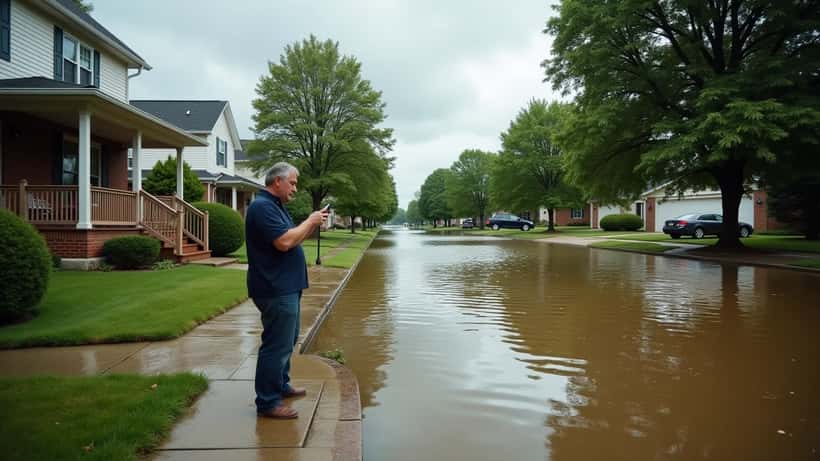
Flash flood warnings are active across multiple U.S. states this April 2026, with Newaygo County, Michigan declaring a state of emergency after levee failures in the Little Black River Watershed on April 14. In Wisconsin, nearly four inches of overnight rain flooded Clintonville streets and prompted evacuation preparations. For the thousands of homeowners in affected areas, the damage is devastating — but the legal and insurance reality can be even more overwhelming.
Here is what you need to know before filing a claim or signing any repair contracts.
Your Standard Policy Almost Certainly Does Not Cover Flooding
The most critical fact that floods reveal is one many homeowners never expect: standard homeowners insurance does not cover flood damage. This is not buried fine print — it is a categorical exclusion that applies to the vast majority of home insurance policies in the United States.
Flood coverage comes through a separate policy — either the federal National Flood Insurance Program (NFIP) or a private flood insurer. According to NFIP data, average claims between 2020 and 2024 reached $63,691. That is the average: homes with finished basements, ground-level HVAC systems, or older construction can see losses far beyond that figure.
One detail that surprises homeowners: roughly one-third of all NFIP claims over the past decade came from properties outside designated high-risk flood zones. Being in Zone X or a low-risk area is no guarantee of safety. In fact, nearly 29% of NFIP claims originate from urban areas where drainage systems simply cannot handle sudden, intense rainfall.
If you have no flood policy, federal disaster assistance may apply — but only if your county receives a formal federal disaster declaration. The average FEMA disaster grant for uninsured households is just $2,704. That rarely covers meaningful structural repair.
What Flood Insurance Typically Excludes
Even with a flood policy, not all damage is automatically covered. Common exclusions include:
- Basements and below-grade spaces: Most NFIP policies limit or exclude coverage for basement improvements, finished walls, and flooring below ground level
- Additional living expenses: Unlike some homeowners policies, the NFIP does not pay for hotel stays or temporary housing while your home is repaired
- Landscaping and fencing: Outdoor property beyond the main structure is typically excluded
- High-value personal items: Cash, jewelry, artwork, and precious metals require separate coverage riders
Understanding what your policy excludes is critical before you spend money on repairs. Any repair completed before an insurance adjuster visits can complicate or void your claim.
Your 60-Day Window to Appeal a Denial
Flood insurance claim denials after storms are common. The most frequent reasons include disputes over how water entered the property, documentation gaps, adjuster findings linking damage to pre-existing conditions, and missed procedural deadlines.
If the NFIP denies your claim or offers a settlement you believe is too low, you have 60 calendar days from the date of the denial letter to file an appeal with FEMA. To appeal, you must submit:
- A written explanation of the dispute
- A copy of the denial letter
- Photographs documenting all damage
- Itemized repair estimates signed by a licensed contractor
If the appeal fails, you have the right to file a lawsuit — but the window is strict: you must sue within one year of the date your insurer first denied all or part of your claim. Missing this deadline forfeits your legal recourse entirely.
When to Call a Lawyer
Not every flood claim requires legal representation, but several situations clearly do:
Large-scale damage: If your estimated loss exceeds $50,000, professional legal guidance is almost certainly justified. Insurance adjusters work for the insurer; an attorney works for you and can challenge lowball assessments using independent appraisals.
Denial based on vague language: Insurance denial letters often cite ambiguous policy language. An insurance attorney can identify whether the denial holds up under your state's insurance statutes — many states impose bad-faith liability on insurers who deny valid claims.
Contractor fraud after disaster: Flood events attract unlicensed contractors offering fast, cash-based repairs. If a contractor accepts payment and disappears, or causes additional damage during repairs, an attorney can pursue remedies under consumer protection laws and contractor licensing statutes.
Government infrastructure failures: If a levee failure, inadequate municipal drainage, or a delayed government emergency response contributed to your damage, you may have a claim against a public entity. These cases involve strict notice requirements and short filing windows — typically 30 to 90 days depending on the jurisdiction.
Steps to Protect Your Legal Position Right Now
The actions you take in the first 48 hours directly determine the strength of your claim:
- Document everything before touching anything — photograph every affected room, appliance, wall, and floor before cleanup begins. Video walkthroughs are especially powerful.
- Contact your flood insurer immediately — delay in reporting can trigger procedural denials under policy conditions.
- Do not accept the first settlement offer without review — initial adjuster estimates frequently undervalue structural damage, especially to foundations and subfloor systems.
- Keep receipts for all emergency expenditures — emergency board-ups, water extraction, and temporary lodging establish the timeline even if specific costs are not reimbursable.
- Get multiple written contractor estimates before authorizing any repair work — this creates a documented range of damage values.
Read also: Flash Flood Warnings Across the U.S.: What Homeowners Should Do Immediately for guidance on immediate repair priorities.
According to the National Flood Insurance Program at FEMA, flooding is the most common and costly natural disaster in the United States, yet fewer than 4% of homeowners carry dedicated flood coverage. If you were caught without a policy, a licensed insurance attorney or public adjuster — many of whom work on contingency — can assess whether any alternative legal remedies apply to your specific situation.
Disclaimer: This article is for informational purposes only and does not constitute legal advice. Consult a licensed attorney in your state for guidance specific to your situation.
