 Evelyn Carter
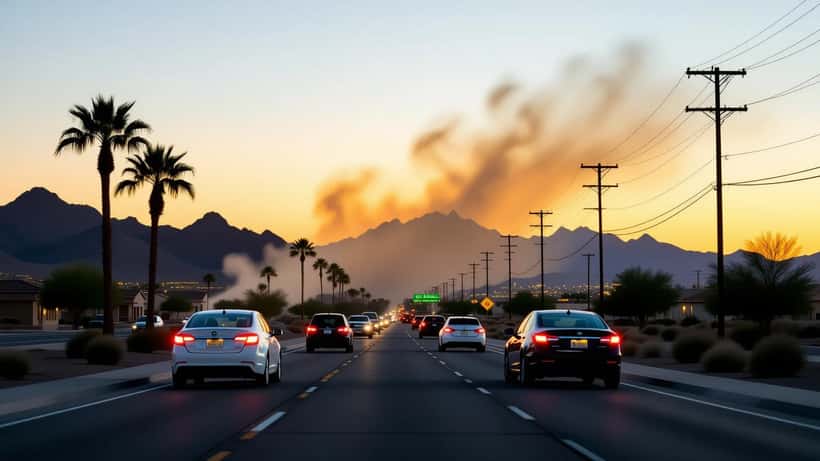
A wall of dust more than a mile high swept across Phoenix and central Arizona on the evening of July 12, 2026, knocking out power for thousands of Salt River Project customers, grounding more than 80 flights at Phoenix Sky Harbor and dropping highway visibility to near zero. The National Weather Service issued back-to-back Dust Storm Warnings for the Avondale and Goodyear areas as winds near 40 mph drove the haboob across the Valley, according to azfamily. For millions of residents across the desert Southwest, the alert on their phones raised a question that goes beyond traffic: what does a dust storm actually do to your lungs, and when is it time to call a doctor?
What just happened
The July 12 event was one of the strongest of an already active monsoon season. The Watchers and local stations reported near-zero visibility along Interstate 10 and U.S. 60, life-threatening driving conditions, and rare emergency alerts pushed to cellphones. Meteorologists had warned days earlier that a dry spring left extra loose dust on the surface, meaning storms in 2026 could be more frequent and more intense than usual.
Phoenix forecasters have even rolled out a new local PHX-DUST scale this summer to rate the severity of blowing-dust events, a sign of how routine these warnings have become for the region. But while the driving danger fades within hours, the health effects of breathing storm-borne dust can last far longer.
Why dust storms are a health event, not just a weather event
Haboobs lift enormous volumes of fine particulate matter, the coarse and fine dust known as PM10 and PM2.5, high into the air. These particles are small enough to reach deep into the airways. For people with asthma, chronic bronchitis or COPD, that spike can trigger attacks, tighten breathing and set off days of coughing and wheezing.
Reporting from El Paso Matters this year documented how windy, dusty weather drives surges in asthma attacks and allergy flare-ups across the Southwest. Even healthy people can experience irritated eyes, a scratchy throat and a lingering cough after heavy exposure. Children, older adults, pregnant people and anyone with heart or lung disease face the highest risk.
There is a second, less familiar threat. Desert soil in Arizona, California and neighboring states can carry Coccidioides, the fungus that causes Valley fever. The U.S. Centers for Disease Control and Prevention reports that Valley fever cases roughly doubled between 2005 and 2022, with Maricopa County recording the most infections in Arizona, followed by Pima and Pinal counties. Preliminary state data counted more than 8,500 cases in Maricopa County last year and nearly 3,300 so far this year.
It is worth being precise here, because early reporting often overstates the link. Researchers note that the fungus lives below the soil surface, while haboobs mostly move the top layer, so scientists have not measured a clear spike in airborne spores during storms themselves. The more reliable takeaway is that anyone living in an endemic region who develops a cough, fever and fatigue that will not clear should ask a doctor specifically about Valley fever, a disease many physicians outside the Southwest fail to recognize.
When to see a doctor
Most short-term dust irritation clears on its own with rest, fluids and clean indoor air. But certain symptoms warrant professional care rather than waiting it out. A primary care physician or pulmonologist can distinguish a passing irritation from a condition that needs treatment. Consider making an appointment if you notice:
- Wheezing, chest tightness or shortness of breath that does not ease after leaving the dusty air
- An asthma or COPD flare that your usual inhaler is not controlling
- A cough, low-grade fever or unusual fatigue lasting more than a week, especially in Valley fever regions
- Persistent eye irritation, sinus pain or a worsening headache
Seek emergency care immediately for severe breathing difficulty, blue-tinged lips or chest pain. As with the health precautions doctors urge during a record 2026 heat wave, the safest move is to act early rather than dismiss symptoms as "just the weather."
How to protect yourself before the next warning
The Arizona Department of Health Services recommends running your air conditioner on the recirculate setting during a storm to avoid pulling dusty outside air indoors, using a high-efficiency HVAC filter or a HEPA air purifier at home, and wearing a well-fitting N95-style respirator if you truly must be outdoors. A loose cloth mask offers little protection against fine dust.
People with asthma should keep rescue inhalers stocked and current before monsoon season, and anyone with a chronic lung or heart condition should ask their physician for a personalized action plan. Keeping windows and doors sealed, and staying indoors until an official all-clear, remains the single most effective step. The same preparedness mindset applies to other sudden hazards, from wildfire smoke to the aftermath of a natural disaster, as covered in our guide to emergency health and safety after a quake.
The bottom line
Dust Storm Warnings will keep lighting up phones across the Southwest through the 2026 monsoon, and treating them as a genuine health alert, not just a driving nuisance, is the expert consensus. If you belong to a higher-risk group or develop breathing symptoms that linger, connecting with a qualified doctor early is the smartest response. You can find and consult verified health professionals through Expert Zoom to build a plan before the next haboob rolls in.
This article is for general information and does not replace personalized medical advice. If you are experiencing a medical emergency, call 911 or your local emergency number. Always consult a qualified healthcare professional about your symptoms and treatment.
