 David Miller
Dallas Stadium Real Estate Impact 2026: Expert Analysis for Investors and Developers
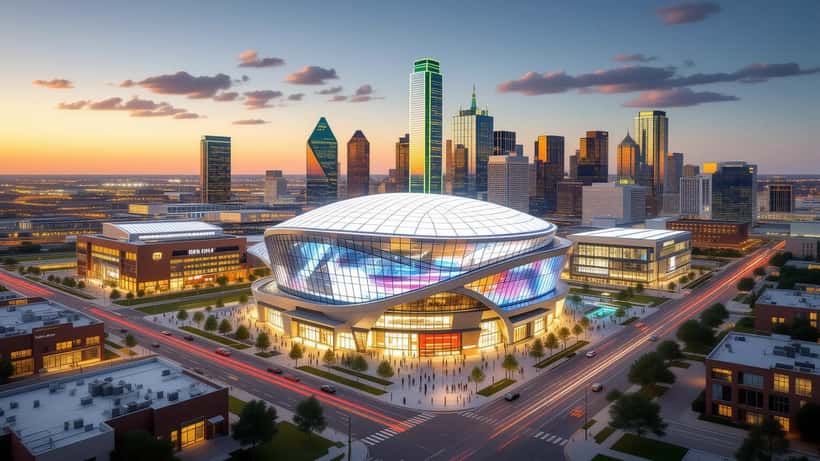
Dallas stadium developments are back in the headlines during 2026, and the conversation is no longer limited to game days. Investors, developers, and homeowners are watching closely because large stadium projects have a history of reshaping entire neighborhoods. From property value shifts to new zoning debates, the ripple effects of a major arena can last for decades. Understanding those effects early is the difference between a smart real estate play and an expensive miscalculation.
Why Dallas stadium news is trending in 2026
The Dallas-Fort Worth metro area has long been one of the fastest-growing regions in the United States. In 2026, several stadium-related announcements have intensified interest. Whether the focus is on renovations, a new entertainment district, or a proposed multi-use venue, the common thread is capital moving into a concentrated area. That concentration attracts retail, hospitality, residential, and office developers who want to capture foot traffic and visibility.
Search interest tends to spike whenever renderings, naming-rights rumors, or public financing discussions leak. For real estate professionals, these moments are not just news. They are signals about where demand, infrastructure spending, and regulatory attention may flow next. The challenge is separating short-term hype from durable value creation.
How stadiums reshape local real estate
Major stadium projects typically create three rings of impact. The immediate ring includes the site itself and adjacent parking, which often converts to mixed-use development. The middle ring covers nearby neighborhoods that experience increased demand for short-term rentals, restaurants, and service businesses. The outer ring is broader: improved transit, highway upgrades, and a regional reputation boost that can lift the entire metro area.
Property values near a new or upgraded stadium can rise quickly, especially if the surrounding area was previously undervalued. Investors who buy early sometimes capture significant appreciation. However, the effect is not automatic. If the project is delayed, scaled back, or poorly connected to transit, expected gains can evaporate. Oversupply of new apartments can also cap rent growth even as headline interest rises.
Zoning, infrastructure, and legal complexity
A stadium does not appear in isolation. It requires zoning changes, environmental reviews, traffic studies, and often public incentives. Each of those steps introduces uncertainty and opportunity. Zoning modifications can unlock new uses for nearby parcels, but they can also spark community opposition that delays projects for years.
Infrastructure is equally important. Improved roads, expanded public transit, and upgraded utilities raise the carrying capacity of a district. Without those investments, congestion can degrade the quality of life and limit how much nearby real estate can appreciate. Savvy investors study the infrastructure commitments as carefully as the stadium design.
Legal and regulatory expertise becomes essential. Contract structures for public-private partnerships, tax-increment financing, and community benefit agreements are complex. A misread clause can change projected returns. Local real estate attorneys and municipal consultants help investors understand what is binding and what is merely aspirational.
Commercial and residential opportunities
The area around a successful stadium often evolves into a year-round destination. Restaurants, bars, hotels, and event venues benefit from consistent crowds. Office tenants sometimes pay a premium for proximity to a high-profile district because it helps recruitment and brand visibility. Residential developers add apartments and condos aimed at young professionals who want walkable entertainment.
Not every segment wins equally. Hotels may see strong weekend demand but weaker weekday occupancy. Retail tenants dependent on event calendars can struggle during off-seasons. Residential projects launched at peak hype may face competition from dozens of similar buildings. Detailed market analysis matters more than general enthusiasm.
Risks every investor should consider
Stadium-driven real estate is a form of thematic investing, and themes can reverse. Construction delays, cost overruns, team relocations, or changes in broadcast economics can all alter the outlook. Local tax policy shifts can affect incentives and operating costs. Environmental or historical preservation issues can block redevelopment plans entirely.
Liquidity is another consideration. Properties in emerging districts may take longer to sell than assets in established neighborhoods. Leverage magnifies both upside and downside. Investors should model conservative scenarios and maintain reserves rather than assuming the best-case timeline.
How Expert Zoom supports real estate and development decisions
Expert Zoom connects investors, developers, and property owners with independent real estate analysts, land-use attorneys, construction consultants, and municipal advisors. A short consultation can clarify whether a specific Dallas-area opportunity is supported by fundamentals or driven mostly by headline momentum.
For example, a commercial investor evaluating a retail site near a proposed stadium can speak with a local market analyst about traffic patterns and tenant demand. A residential developer can consult a zoning attorney about entitlement risk. A private investor can get a second opinion on cap rates and projected rent growth before committing capital.
The platform is built for targeted expertise. Instead of relying on generic reports, users can ask precise questions of professionals who understand Dallas-Fort Worth dynamics, stadium economics, and the regulatory environment.
Practical advice for evaluating stadium-adjacent real estate
Start by mapping the project timeline and confirming which commitments are legally binding. Visit the area at different times of day and during both event and non-event periods. Talk to local business owners about actual foot traffic rather than relying on renderings.
Review comparable districts in other cities. How did property values behave five years before and after similar projects? What types of tenants succeeded? Which projects underperformed and why? Comps provide a reality check against local boosterism.
Build a team before you buy. A real estate attorney, a market analyst, and a tax advisor can each surface risks that a generalist might miss. Keep your leverage conservative and your exit timeline flexible. Stadium districts can create real value, but they reward patience and diligence more than speed.
Conclusion
Dallas stadium developments in 2026 are more than a sports story. They are a real estate and urban development signal that touches property values, zoning law, infrastructure, and investment strategy. For investors who do the work, the opportunity is meaningful. For those who chase the headline, the risks are equally real. Expert Zoom makes it easier to access the specialized expertise needed to tell the difference.
