 Carl Graham
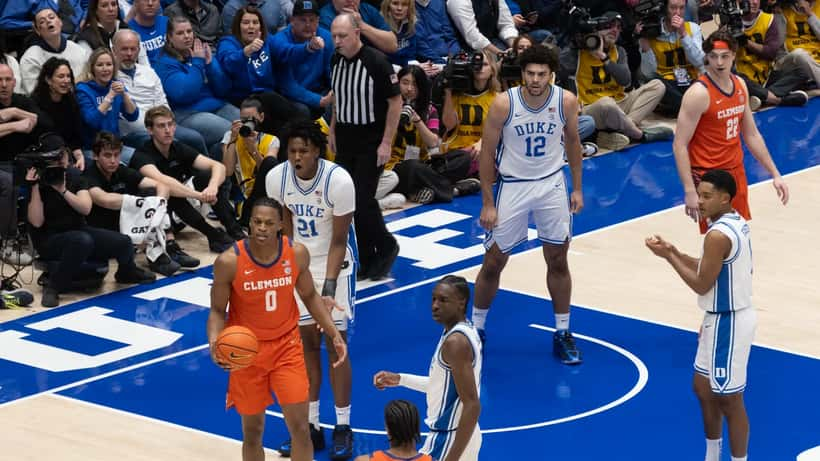
Half of the NBA general managers surveyed by NBA.com this month picked Memphis Grizzlies forward Cameron Boozer to win 2026-27 Rookie of the Year, according to the league's 25th annual GM Survey published on October 15, 2026. Boozer, drafted third overall in June, collected 50% of the vote, well ahead of Chicago's Caleb Wilson (20%), Washington's AJ Dybantsa (17%) and Utah's Darryn Peterson (13%).
That number matters beyond the basketball court. A preseason favorite for a major award is exactly the kind of athlete brands, agents and family advisers start negotiating around, and the paperwork that follows is where young players most often lose leverage.
What the survey tells us about Boozer's position
The GM Survey gave Boozer a commanding lead over the other top picks. For comparison, last year 97% of GMs picked Cooper Flagg, who went on to win the award in April over Kon Knueppel by 412 points to 386.
Boozer's résumé supports the early buzz. He was named AP national player of the year after averaging 22.5 points and 10.2 rebounds at Duke, then posted 18.5 points and 8.0 rebounds per game at Las Vegas Summer League, earning All-Summer League First Team honors, according to Roundtable's coverage of the survey. In his October 5 preseason debut against Atlanta, he finished with 11 points, five rebounds and four assists, per NBC Sports.
Hype also cuts both ways. Early favorites can slip if minutes are limited or an injury interrupts the season, and a contract that pays heavily for projected success can look very different by spring. That is why professionals negotiate downside protections, such as minimum guaranteed payments, as carefully as the upside bonuses.
Memphis went 25-57 last season. A rookie who is expected to carry a large role on a rebuilding team is a rookie whose name will be on shoes, cards, ads and appearances before Christmas.
Why contracts become the real story
The same pattern showed up around the draft, as our look at AJ Dybantsa's agent and contract decisions explained.
A first-round pick's salary is set by the NBA's rookie scale, so there is little to negotiate on the base pay. What is negotiable is everything around it: shoe and apparel deals, trading-card and memorabilia agreements, local sponsorships, camps, and any business entity set up to receive that income.
Sports attorneys who work with young players say the first twelve months are the riskiest. Offers arrive quickly, deadlines are short, and the player often has no prior experience reading a long-form commercial agreement.
Four clauses tend to decide whether a deal is good or merely big:
- Term and renewal. An automatic renewal can lock a player into last year's price after his value has doubled.
- Performance triggers. Bonuses tied to awards, All-Star selections or games played should spell out who decides whether the trigger was met.
- Exclusivity. A broad category exclusivity can block a later deal with a better-paying competitor.
- Name, image and likeness (NIL) rights. The contract should say exactly which uses are licensed, for how long, and in which territories.
A scenario: the award bonus that was never defined
Consider a hypothetical rookie, not Boozer, who signs a three-year apparel deal in October. The base payment is $1.5 million a year. The contract adds a $500,000 bonus "if the player is recognized as a top rookie of the year."
In April, the player finishes second in Rookie of the Year voting. The brand says "top rookie" means the winner only. The player's family reads it as a top-three finish, since the league also announces All-Rookie teams. Neither side wrote a definition.
If the clause had named the Rookie of the Year trophy specifically, the bonus would be a clear no. If it had referenced All-Rookie First Team honors, the player would be owed $500,000, which is one third of a full year of base pay. As written, the $500,000 sits in dispute, and the player faces a choice between legal fees and a strained relationship with a sponsor he needs for two more seasons.
The fix costs very little at signing: a one-sentence definition, a named awarding body, and a payment deadline of, say, 30 days after the award is announced. A lawyer reviewing the draft would flag the vague phrase in minutes. Fixing it after the dispute begins can cost many multiples of that review fee.
Disputes like this rarely end in court. More often they end in a quiet renegotiation where the party with the better paper wins. If the brand's draft was written by its in-house counsel and the player's side never pushed back, the player starts that conversation at a disadvantage. A single hour of review before signing is almost always cheaper than a month of back-and-forth afterward, and it keeps the relationship intact.
The same logic applies far below the NBA level. A college athlete, a local influencer or a small business owner who signs a sponsorship with an undefined trigger is exposed to the same argument.
The disclosure rules most new endorsers miss
Once a player signs, the legal duties do not stop at the contract. The Federal Trade Commission's Endorsement Guides, codified at 16 CFR Part 255, require endorsers to clearly disclose material connections to a brand, such as payments or free products.
That means a social media post praising a sneaker, shot in the locker room and tagged with the brand, can create a compliance problem if the paid relationship is not obvious to viewers. The responsibility can fall on the endorser, the brand, or both.
A good contract assigns who writes the disclosure language, who approves posts, and who bears the cost if a regulator or platform objects.
Family and agents: the conflict-of-interest question
Boozer has spoken publicly about taking advice from his father, a former professional player, on his approach to each day. Family involvement is common and often helpful for young athletes, but it raises a practical question every player should answer in writing: who has authority to sign, and who gets paid.
Lawyers who advise athletes recommend separating roles. The agent negotiates, an independent attorney reviews, and a financial adviser manages the proceeds. Relatives can stay close to the process without holding signing authority.
State agent regulations and the players' union certification rules govern who can represent an NBA player. Anyone unsure whether an adviser is properly certified should confirm it before signing a representation agreement.
What to do if you are negotiating your own deal
You do not need an eight-figure shoe contract to benefit from the lessons above. Use this checklist before signing any sponsorship, ambassador or brand agreement:
- Ask for the full draft in writing and take at least a week to review it.
- Highlight every bonus or trigger and require a defined, objective standard.
- Check the renewal clause and the exclusivity scope.
- Confirm exactly what NIL rights you grant, for how long, and where.
- Ask who is responsible for FTC-compliant disclosures.
- Have a licensed attorney in your state review the contract before you sign.
If you are an athlete, a parent of one, or a creator facing your first brand offer, a qualified sports or entertainment lawyer can read the contract with you and flag the clauses that would cost you later. Expert Zoom connects you with vetted lawyers who can review sponsorship and endorsement agreements before you commit.
This article is general information, not legal advice. Contract outcomes depend on the exact wording and the law of your state; consult a licensed attorney about your situation.
