 David Miller
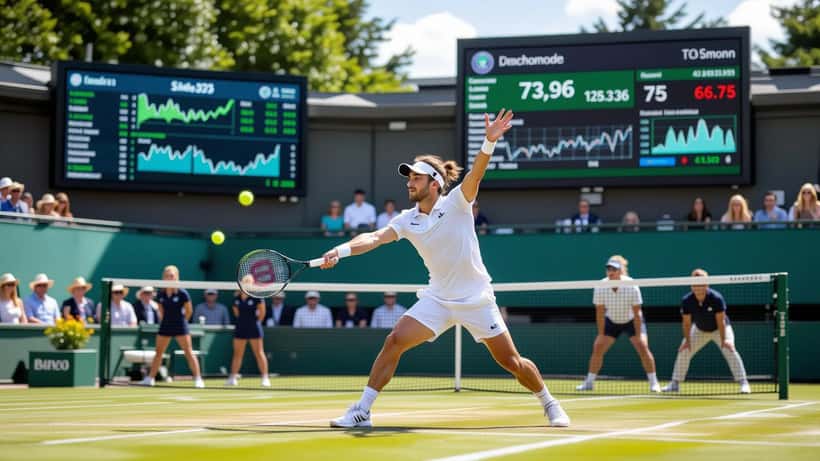
Arthur Fery's 2026 season is becoming a quiet case study in how a modern tennis career is built one decision at a time. The 22-year-old Briton, a former Wimbledon junior finalist and a steady presence on the ATP Challenger Tour, has spent the first half of the year tightening his ranking and showing that his game can translate from promise to paycheck. For a marketplace like Expert Zoom, where clients connect with specialists across law, finance, health, and technology, Fery's trajectory is a useful reminder that elite sport is now as much an expert-services business as it is an athletic contest.
Fery first made headlines as a junior at the All England Club, and the transition from junior success to professional consistency is famously treacherous. In 2026, the margins in men's tennis are thinner than ever. Players outside the top tier must manage travel schedules, coaching contracts, physiotherapy, nutrition, equipment deals, and tax obligations across multiple jurisdictions. Each of those areas is a natural fit for expert consultation. A young professional like Fery does not simply need a coach; he benefits from a coordinated support team that includes a sports lawyer to review appearance contracts, a wealth manager to handle prize money and sponsorship income, and medical specialists to keep a developing body on court.
The financial side of the sport has become impossible to ignore. Wimbledon's 2026 prize-money pool has reached record levels, but only a tiny fraction of entrants take home meaningful checks. Challengers and Futures events pay far less, and the gap between costs and earnings can persist for years. That is why athlete wealth management is no longer a luxury reserved for Grand Slam champions. Emerging players such as Fery face a short window in which to convert athletic capital into long-term financial stability, and the earlier they bring in professional advice, the better positioned they are to avoid the mistakes that have derailed other careers.
Fery's background also illustrates the importance of legal and immigration expertise in an international sport. British players competing primarily on the European and North American circuits must navigate visa requirements, withholding taxes, and prize-money reporting in dozens of countries. A missed filing or a poorly structured endorsement deal can cost thousands of dollars and create administrative distractions that bleed onto the court. Expert Zoom connects clients with vetted professionals who understand those cross-border complications, allowing athletes to focus on performance while their advisors handle compliance.
Health management is another layer. Tennis players at the Challenger level often operate without the full medical departments available to top-50 stars. They rely on portable networks of physiotherapists, strength coaches, and sports physicians who can assess a niggle before it becomes a season-ending injury. For Fery, whose style demands movement and repeated changes of direction, staying healthy is as important as improving the serve or backhand. Expert consultation here is preventive: the right specialist can spot biomechanical issues early and design a load-management plan that extends a career rather than patching one together after a breakdown.
Technology has added new dimensions to athlete development. Video analysis, wearable tracking, and AI-assisted scouting reports have democratized access to information that was once reserved for national federations. A player like Fery can now study opponents, monitor recovery metrics, and model tournament schedules with tools that fit in a pocket. But tools alone are not enough. Interpreting data requires expertise in sports science and information technology, and misreading a recovery score can lead to overtraining just as easily as undertraining. Connecting with a data-literate performance consultant can turn raw numbers into a competitive edge.
Beyond the technical support, there is a human story that resonates with Expert Zoom's broader mission. Fery represents a class of professionals who are talented enough to compete at a high level but not yet wealthy enough to insulate themselves from every mistake. They are small-business owners whose product is their own skill, and they need the same professional services that any founder would: contracts, tax planning, insurance, health advice, and strategic career guidance. The difference is that their window to earn is narrow and physically demanding. Every year spent learning those lessons the hard way is a year of lost earnings and increased risk.
The 2026 season offers several milestones that could define Fery's next chapter. A strong qualifying run at a Masters 1000 event, a first-round win at a Grand Slam, or a title at a Challenger would each change his earning trajectory and the complexity of his off-court needs. Each step up the ladder brings more media attention, more sponsor interest, and more decisions that benefit from outside expertise. Players who build their advisory teams early tend to handle those transitions more smoothly than those who wait for a crisis.
Critics sometimes argue that lower-ranked players cannot afford specialist advice, but the opposite is often true: they cannot afford to go without it. A single avoided tax penalty or a single well-negotiated equipment deal can cover months of consulting fees. The challenge is knowing which experts to trust and how to coordinate them. That is where a curated marketplace adds value. By matching athletes with verified specialists in law, wealth management, health, and technology, platforms like Expert Zoom reduce the friction that prevents young professionals from getting help before problems arise.
Arthur Fery may or may not break into the sport's top ranks in 2026, but his journey already highlights a larger truth: in modern tennis, the competition does not end at the net. It extends into finance rooms, legal offices, clinics, and data labs. For every hour spent on the practice court, there is another hour that should be spent making sure the business of the athlete is as sharp as the forehand. That is the expert angle on a trending name, and it is why Fery's story is worth watching long after the final score is posted. Tennis prize money and athlete wealth management will continue to shape careers like his throughout the season, and the players who plan accordingly are the ones most likely to still be competing when the margins matter most.
