 Emily Wang
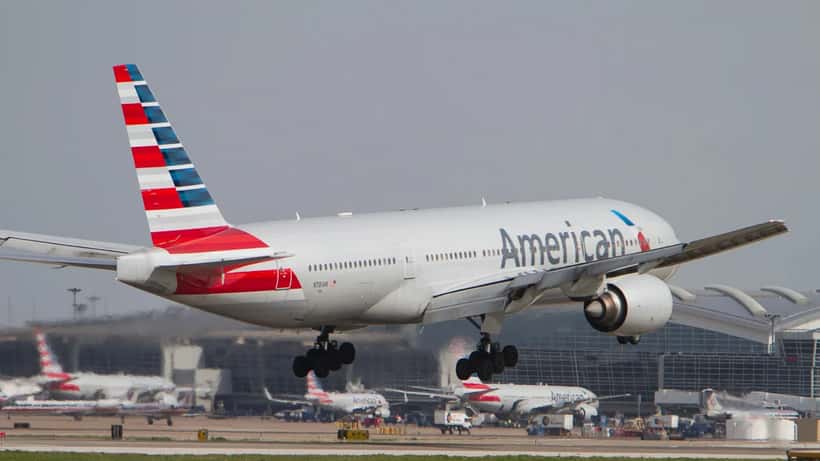
American Airlines officially confirmed on April 17, 2026, that it is not pursuing a merger with United Airlines — but while markets focused on stock prices, travelers quietly absorbed another significant development: the carrier has raised checked baggage fees across domestic routes, Canada, short-haul international, and parts of South America. For the millions of Americans who fly American Airlines each year, understanding what these changes mean legally is more important than watching the stock chart.
What Changed and When
American Airlines Group recently announced revisions to its fee structure as part of a broader revenue strategy ahead of its first-quarter 2026 earnings release, scheduled for April 23. The key changes include:
- Increased checked bag fees on domestic, Canada, and short-haul international routes
- Reduced Basic Economy benefits, further restricting what the lowest fare class includes
- No changes to AAdvantage elite status perks for now, though the company signaled ongoing revenue optimization
These changes come as the airline navigates rising fuel costs — the company's Q1 fuel cost assumption sits at approximately $2.75 per gallon — and investor pressure following a stock price drop earlier in the year.
According to reporting from Bloomberg and CNBC, the merger speculation itself was initiated by United Airlines CEO Scott Kirby during a February 2026 White House meeting. American Airlines' swift April 17 denial — "not interested and not engaged" — ended the speculation, but the underlying financial pressures that made such speculation plausible remain real.
What Airlines Can and Cannot Do Under Federal Law
Most travelers don't realize that U.S. federal law provides limited but real protections for airline passengers. The key authority is the Department of Transportation's Aviation Consumer Protection Division, which enforces rules on transparency, refunds, and certain fee disclosures.
Here's what the law currently requires of airlines on fees, as codified under 14 CFR Part 250 (Oversales) and related DOT regulations:
Fee transparency: Airlines must clearly disclose all fees before you purchase a ticket, including baggage fees. If fees are not disclosed at point of sale, you may have grounds for a complaint or refund request.
Ticket changes due to schedule changes: If an airline significantly changes your flight schedule (typically defined as a delay of 3+ hours for domestic flights), you are entitled to a full refund — even on non-refundable tickets.
Involuntary bumping (denied boarding): If you are bumped from an oversold flight involuntarily, you are entitled to compensation — up to $1,550 depending on how long the delay is.
Baggage delay or loss: Airlines are liable for lost, delayed, or damaged bags. For domestic flights, the maximum liability is $3,800 per passenger under federal rules. For international flights, the Montreal Convention applies with different limits.
What federal law does NOT prohibit: airlines raising their fees. Fee increases are legal as long as they are disclosed. Passengers agree to the applicable fee schedule at time of booking, which is why checking the current fee schedule before you buy — not after — is essential.
When to Consult a Lawyer
Most baggage fee disputes don't require an attorney. However, several scenarios make legal consultation genuinely worthwhile:
If your complaint was wrongly denied. Airlines have internal dispute processes, but these are not always handled fairly. An attorney can review whether the airline violated its own contract of carriage or federal rules.
If you experienced significant financial harm. If delayed or lost baggage caused you to miss a business event, wedding, or medical appointment, and you can document the financial impact, you may have a civil claim beyond the standard liability limits.
If you were part of a pattern. Class action litigation has been filed against airlines in the past for systematic overbooking, deceptive fee practices, and failures to issue required refunds. If you believe a policy is being applied illegally at scale, an attorney can assess whether you're part of a larger pattern.
If you're a frequent business traveler. Corporate travel policies and reimbursement rules interact with airline fees in complex ways. A legal or financial advisor can help you navigate employer liability, contract terms with airlines, and tax implications.
YMYL Disclaimer: This article is for informational purposes only and does not constitute legal or financial advice. Aviation law and passenger rights are complex and vary by situation. Consult a licensed attorney for guidance on your specific case.
The Merger That Won't Happen — And Why It Matters
Legal experts quoted by CNBC and CNN Business were unambiguous: a United-American merger would give the combined carrier roughly 40% of domestic capacity. The top four airlines already control about 80% of U.S. domestic capacity. Antitrust regulators, even under a more permissive administration, would face enormous legal obstacles to approving such a deal.
What this means for passengers is that the competitive pressure keeping fares and fees somewhat in check remains — for now. But airlines continue to find ways to extract more revenue from travelers, which is exactly why understanding your legal rights is more valuable than ever.
The Department of Transportation received over 9,000 passenger complaints in 2024 alone. A significant share involved baggage — fees, delays, and denials. With American Airlines joining Alaska Airlines and others in raising fees in 2026, legal advocates expect complaint volumes to rise.
If you've been affected by an airline fee change, a denied refund, or a baggage dispute with American Airlines or any other carrier, an aviation law attorney or consumer rights lawyer can help you assess your options — and whether your situation warrants formal action. ExpertZoom connects travelers with licensed attorneys who specialize in consumer and aviation law, ready to review your case and explain your rights.
