 Stephen Hall
A "Super El Niño" is forming in 2026 — confirmed by NOAA and the European Centre for Medium-Range Weather Forecasts as of early April — and forecasters warn it could be one of the strongest in a century. For UK homeowners, that means a higher-than-usual risk of flooding, storm damage and structural stress over the coming months. The question is no longer whether to prepare, but how.
What Is a Super El Niño and Why Does It Matter for UK Homes?
El Niño is a periodic warming of Pacific Ocean surface temperatures that disrupts global weather patterns. The 2015–2016 El Niño — the last "strong" event — brought Storm Desmond to the UK in December 2015, dumping over 340mm of rain in 24 hours in Cumbria and causing an estimated £500 million in insurance claims, according to the Association of British Insurers.
The 2026 event is shaping up to be more severe. NOAA forecasts a one-in-three chance of El Niño reaching "strong" status by winter 2026, with subsurface Pacific warming already measurable. The Met Office's current spring outlook points to volatile Atlantic weather patterns, with alternating mild spells and cold snaps creating ideal conditions for damaging storms.
For UK properties — many of which are Victorian or Edwardian-era buildings not designed for the kind of weather extremes climate models now project — this is a meaningful risk.
The 5 Home Checks Every UK Homeowner Should Do Now
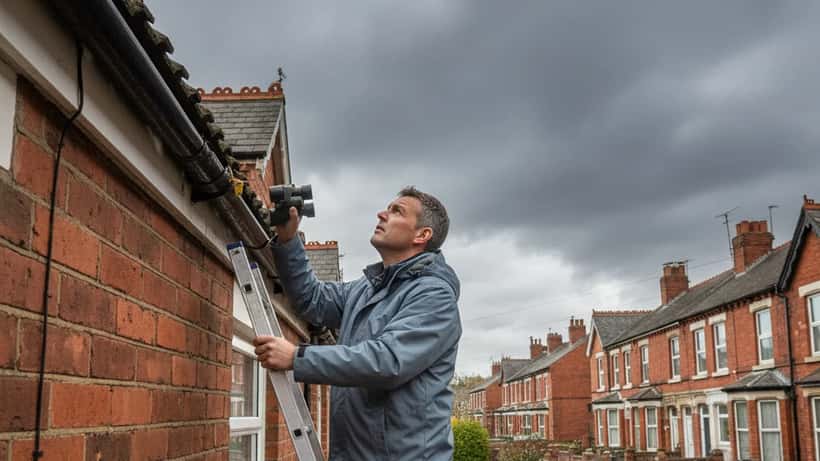
1. Inspect your roof. Loose or missing tiles are the most common cause of storm damage. A professional roofer can identify weak points before they become entry points for water. After the Arctic storms of March 2026, insurers reported a 40% spike in roof-related claims across northern England and Scotland.
2. Check your gutters and drainage. Blocked gutters overflow during heavy rain, directing water toward foundations and walls. Clear them now, before the summer storm season. If your property is on a slope or close to a watercourse, consider a professional drainage assessment.
3. Assess flood risk. The Environment Agency's flood risk checker (available at gov.uk/check-flood-risk) allows any UK homeowner to see whether their postcode is in a flood zone. If you are in a higher-risk area, sandbags, flood barriers and a sump pump may be worth the investment.
4. Service your boiler and heating system. El Niño winters can bring sudden cold snaps after warm periods, putting heating systems under unexpected stress. A Gas Safe registered engineer can service your boiler and ensure it is ready for erratic winter conditions.
5. Review your buildings insurance policy. Standard buildings insurance covers storm damage — but the definition of "storm" varies between insurers. Some policies require wind speeds above a certain threshold. Read your policy carefully and, if in doubt, speak to an insurance specialist.
When to Call a Structural Surveyor
If your home has already suffered water ingress, cracking near windows or doors, or subsidence following last winter's wet weather, now is the time to commission a structural survey before conditions worsen.
A RICS-qualified structural surveyor can identify damage that is invisible to the untrained eye — including compromised damp-proof courses, shifting foundations and deteriorating lintels. Early detection typically costs a fraction of repair costs following major structural failure.
The Royal Institution of Chartered Surveyors notes on its website that post-storm structural assessments are recommended within 72 hours of severe weather events to capture damage before secondary deterioration sets in.
What El Niño Means for Home Insurance Premiums
El Niño years have historically correlated with higher insurance claims — and higher premiums. After the 2015–2016 event, average home insurance premiums in flood-prone UK postcodes rose by 12–18% in the 12 months that followed, according to the Association of British Insurers.
If your property has not been surveyed recently, an up-to-date structural report can serve as evidence of good maintenance — which some insurers factor into premium calculations.
Practical advice: If you are unsure which trades you need for a pre-storm property assessment — roofer, surveyor, drainage specialist or all three — a home improvement consultant can help you prioritise and coordinate the work efficiently.
The Cost of Doing Nothing
The temptation to wait and see is understandable — El Niño's effects are probabilistic, not guaranteed. But the cost calculus is asymmetric. A professional roof inspection costs between £200 and £400. Emergency roof repair after a storm starts at £800 and can easily exceed £3,000 if water ingress has caused secondary damage to ceilings, insulation or electrical systems.
The average household insurance excess for storm damage claims in the UK is currently £250–£500. But many policies exclude "gradual deterioration" — meaning that if a surveyor determines your roof was already in poor condition before the storm, your insurer may reject the claim entirely. Preventive maintenance is both financially and contractually sensible.
For older properties — particularly those built before 1980, which may have single-skin brickwork, shallow roof pitches or outdated drainage systems — the risk profile is higher. A RICS Level 2 HomeBuyer Report (from approximately £400) provides a comprehensive assessment of condition and flags issues before they become emergencies.
Acting Before the Season Changes
The window between now and the first Atlantic storms of autumn 2026 is the optimal time for preparation. Tradespeople are in high demand immediately after major weather events — leading to longer wait times and premium pricing. Commissioning work now, during a quieter period, typically results in faster scheduling and more competitive quotes.
For expert home improvement advice tailored to your property type and region, Expert Zoom connects UK homeowners with qualified tradespeople and surveyors. See also our guide: UK Flooding 2026: 5 Things a Tradesperson Checks After a Storm for a complete post-storm checklist.
