 Daniel Davies
An Arctic storm swept across the United Kingdom in mid-March 2026, bringing wind gusts of up to 70 mph, torrential rain followed by a freezing polar blast. Thousands of homes were affected by structural damage, flooding, and burst pipes — leaving many homeowners unsure what needs fixing immediately and what can wait.
What the Storm Actually Did to UK Homes
The March 2026 storm combined two damaging phases: high winds tearing at roofs and fences, then sub-zero temperatures causing water already inside walls and guttering to freeze and expand. According to the Met Office, the storm was one of the most disruptive weather events of the winter season, with damage reports across England, Scotland, and Wales.
Insurance claims have surged, with the Association of British Insurers reporting a spike in emergency calls. But the critical question for homeowners is not just "what broke?" — it is "what must I fix today to prevent worse damage tomorrow?"
The Urgent Repairs: Do Not Wait
Certain types of damage escalate rapidly if ignored.
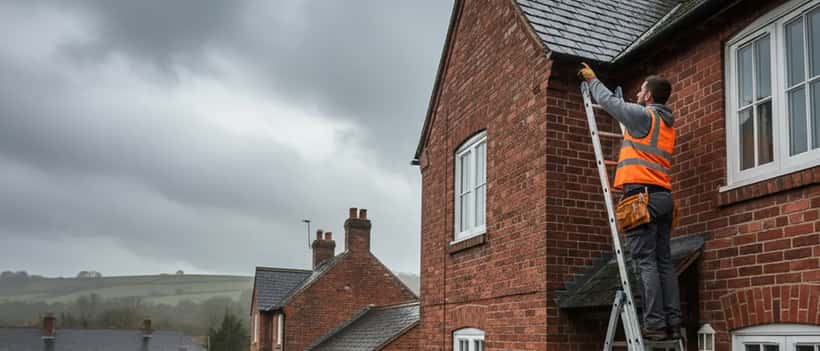
Roof damage is the most urgent category. Missing or cracked tiles allow water ingress that can seep into insulation, joists, and ceilings. Within days, a small leak can cause structural damage costing thousands of pounds. If you can see daylight through the loft, or notice water stains on ceilings after the storm, contact a tradesperson immediately.
Burst pipes are a direct consequence of the freeze-thaw cycle. Pipes that cracked during the cold snap but have not yet fully burst can fail at any moment. Signs include unusual water pressure drops, damp patches on walls, or the sound of trickling water where none should be. Shut off your stop tap and call a plumber the same day.
Chimney stacks and gable end walls are structurally vulnerable in high winds. A leaning chimney or visible cracks in a gable wall are not cosmetic issues — they are safety hazards. A chartered structural surveyor or experienced builder should inspect them before you allow anyone into the affected rooms.
Damaged guttering that is still attached but misaligned poses a subtler risk. Water spilling behind a misaligned gutter runs directly down external walls, saturating brickwork and leading to damp, mould, and eventually internal wall damage. This is an easy fix but one most homeowners overlook.
The Repairs That Can Wait — But Only Just
Not all storm damage is equally urgent. Some repairs can be scheduled within a few weeks without causing cascading problems.
Fence panels blown down or damaged do not pose an immediate structural risk to your home, though they may affect security. Prioritise them after the urgent repairs.
Cosmetic rendering cracks on external walls — hairline cracks that do not penetrate to the inner wall — are worth monitoring. If they do not widen over a two-week period and water is not visibly penetrating, they can be repaired in dry weather. However, wider cracks (over 5mm) or cracks that run diagonally from window corners should be assessed by a professional immediately, as they may indicate foundation movement.
Garden structures such as sheds, pergolas, and outbuildings often sustain damage in storms. Unless a structure has collapsed against the main building or a wall, repairs can wait while you address the house itself.
How to Document Damage for Your Insurance Claim
Before any repairs begin, photograph everything. Insurance companies require evidence of the pre-repair state to process claims. Take wide shots for context and close-ups for detail. Note the date and time on your images if your phone does not do so automatically.
Keep all receipts for emergency work, even temporary measures like tarpaulin. According to the Financial Ombudsman Service, insurers are required to cover reasonable emergency costs if you act to prevent further damage — but you must document everything.
When to Call a Professional and What to Look For
In the aftermath of a major storm, demand for tradespeople surges. Be alert to rogue traders who knock door-to-door offering quick repairs at elevated prices. According to Trading Standards, post-storm periods are among the most common times for rogue trader activity in the UK.
Legitimate tradespeople will provide a written quote before starting work, offer a verifiable business address, and are typically registered with a recognised trade body such as TrustMark, the Federation of Master Builders, or the National Federation of Roofing Contractors.
If you are unsure how to assess damage yourself, a RICS-accredited surveyor can produce a condition report that prioritises repairs, protects you from unnecessary work, and provides documentation for your insurer.
YMYL Note
This article provides general guidance only. Structural damage should always be assessed by a qualified professional before any repairs are attempted. Do not attempt to inspect roof damage yourself at height.
The Expert Zoom Angle: Fast Access to Vetted Tradespeople
Finding a trustworthy tradesperson quickly after a storm is the hardest part. Our March 2026 storm home damage guide covers what to check region by region. Expert Zoom connects homeowners with vetted local craftspeople — roofers, builders, plumbers, and structural surveyors — who can assess your home and provide written quotes within hours, not weeks.
After a storm, every day of delay increases the cost. The right professional, found quickly, is the fastest path back to a safe and dry home.
For official guidance on home insurance claims and your rights as a homeowner following extreme weather, the Association of British Insurers publishes updated advice for storm damage claims.
