 Willow Bergeron
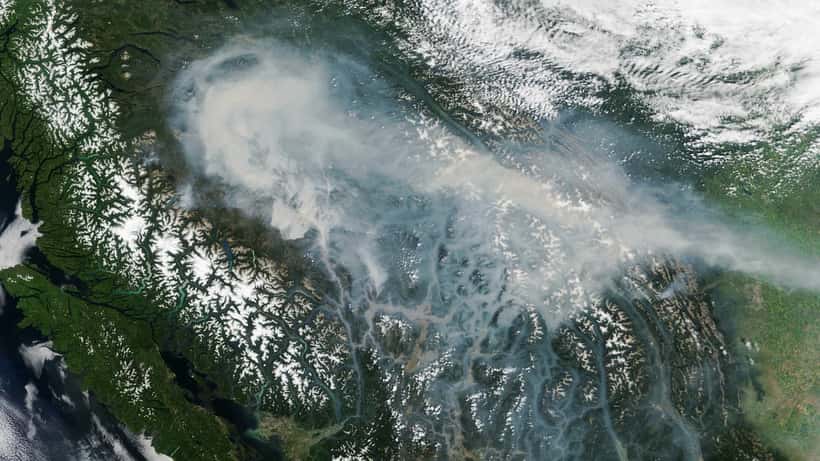
The Cariboo Regional District issued an evacuation alert on June 2, 2026, for 22 properties in the Swede Creek Fire Area as an out-of-control wildfire grew to 1,300 hectares northwest of Quesnel, British Columbia. The blaze has reached Rank 5 fire behaviour — the most intense rating on the provincial scale — with active crown fire and spotting well ahead of the fire line. Ground crews are on site, but the fire remains classified as Out of Control as of June 3.
For the families living on the 22 parcels now under alert, the immediate concern is safety. The second concern, often arriving just hours later, is: what does my insurance actually cover?
The answer is more complicated than most homeowners expect — and knowing the difference now could save thousands of dollars.
Alert vs. Order: The Coverage Gap That Catches Homeowners Off Guard
BC wildfire emergencies operate on a two-tier system: an evacuation alert and an evacuation order. The distinction is not just procedural — it is the legal line that determines when your home insurance begins paying for your displacement.
Under a standard BC homeowner or tenant policy, Additional Living Expenses (ALE) coverage — the provision that reimburses you for hotel rooms, meals, laundry, and other costs while you cannot live at home — is triggered only by a mandatory evacuation order, not by an alert.
An alert means: prepare to leave at short notice. An order means: leave now. Until that order arrives, you are technically still able to access your home, and most insurers will not activate ALE on an alert alone.
The Insurance Bureau of Canada (IBC), which has issued guidance for the current BC wildfire season, confirms this distinction. According to the IBC, once an evacuation order is in place, "standard home and tenant insurance policies provide additional living expense coverage, which starts the moment you are evacuated." However, the alert phase — even if you choose to leave for safety — does not automatically trigger the same benefits.
This gap can catch homeowners off guard, particularly in regions like the Cariboo where alerts can stretch on for days while crews work to control a fire.
What Additional Living Expenses Actually Cover (and What They Don't)
Once an evacuation order is in place, ALE covers the increased cost of your living — not your full cost of living. If your rent is $1,500 per month and temporary accommodations cost $2,800, ALE should cover the difference of $1,300. If your normal grocery bill is $400 a month and you are spending $600 on meals in a hotel, the additional $200 is claimable.
ALE typically covers:
- Temporary accommodations (hotel, short-term rental)
- Increased food costs (restaurant meals vs. home cooking)
- Pet boarding, if your animals cannot stay with you
- Additional transportation costs (fuel, laundry facilities)
ALE does not cover:
- Your full hotel bill if you could otherwise be at home
- Costs you would have incurred regardless (regular groceries, utilities)
- Items not reasonably necessary during the evacuation
Most standard policies cap ALE coverage at 14 to 24 months or a percentage of your home's insured value — typically 20 percent. Policy limits vary significantly between insurers, so checking your specific documents before a disaster strikes is essential.
A critical note from the IBC: "ALE coverage ends when the civil authority lifts its evacuation order or the policy limits are exhausted — whichever comes first."
4 Steps BC Homeowners Under Alert Should Take Right Now
Even before an order is issued, the hours following an alert are not time to wait and see. Legal and insurance professionals advise the following steps immediately:
1. Read your full policy today. Locate your insurance declaration page and find the ALE section. Note the dollar limit and the duration. Do not assume you know what is there — call your broker to confirm.
2. Document your home before you leave. Take a video walkthrough of every room, including serial numbers on appliances, electronics, and high-value items. Upload it to cloud storage immediately. If a wildfire damages or destroys your home, this documentation will be central to your claim.
3. Register with Emergency Support Services. BC residents displaced by a wildfire can self-register through the BC Services Card app or online at EmergencyInfoBC. ESS provides basic emergency funding — lodging, food, clothing — to help bridge the gap while your insurance claim is processed. ESS is separate from your private insurance and operates on different timelines and limits.
4. Notify your insurer in writing now. Even during the alert phase, contact your insurer or broker and put your notice in writing. Some policies require timely notification. Documenting the date and time of your initial contact can protect you if a dispute arises about when coverage should have begun.
When a Wildfire Claim Becomes a Legal Dispute
Most wildfire insurance claims are processed without major conflict. But disputes do arise — over whether the evacuation order was in effect at the right time, over whether damage was caused by fire or by smoke (treated differently under some policies), or over insurer delays that leave homeowners without funds for months.
According to data from the IBC, insured losses from BC wildfires have risen sharply in recent years, with the 2023 season alone generating claims in the hundreds of millions of dollars. As claim volumes grow, so do processing delays and coverage disagreements.
BC homeowners have faced this exact scenario before — as detailed in our coverage of wildfires near Vancouver in 2026, where insurers and homeowners disagreed on whether smoke damage triggered full coverage. If your insurer disputes the scope of your coverage, delays your ALE payments beyond what the policy provides, or denies a claim you believe is valid, you have the right to escalate — first through your insurer's internal complaint process, then to the General Insurance OmbudService, and if necessary, through the BC Civil Resolution Tribunal or the BC Supreme Court with the assistance of an insurance lawyer.
A lawyer specializing in property insurance can review your policy, identify coverage that may have been overlooked, and negotiate directly with insurers who have superior resources and experience. Many offer free initial consultations.
This article addresses general insurance principles. For advice specific to your policy and situation, consult a licensed insurance broker or a property lawyer familiar with BC insurance law.
The Swede Creek fire is one of dozens expected to ignite across BC this season as temperatures rise and fuel loads remain high. Whether or not this fire reaches your property, the alert of June 2 is a practical reminder: knowing your insurance rights before a wildfire threatens your home is always the better option. An insurance expert through ExpertZoom can walk you through your coverage before you need it most.
