 Michael Young
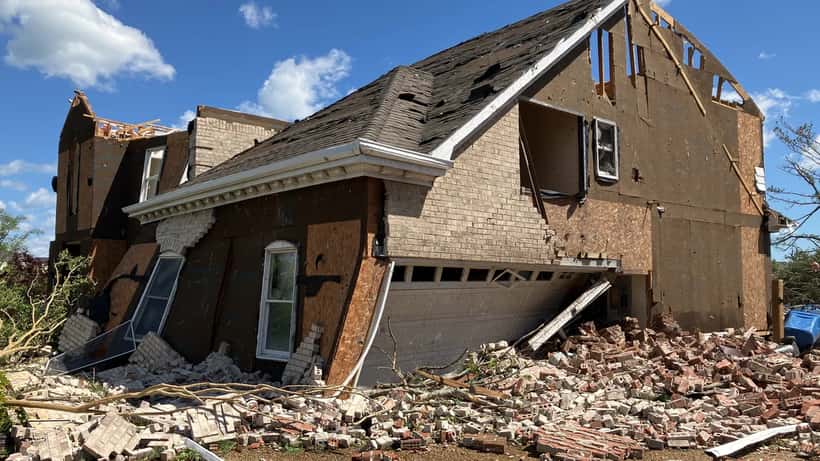
On June 2, 2026, three tornadoes touched down across Manitoba in a single afternoon. Days later, on June 6 and 7, Environment Canada issued Orange Watch — Tornado alerts for large swaths of southeastern Saskatchewan and southwestern Manitoba, warning of potential tornadoes, hail up to 9 centimetres, and wind gusts reaching 120 km/h. For many Canadians, these alerts introduced a new phrase: "orange watch." Knowing what it means — and what to do before the sky turns green — can save your home.
What "Orange Watch — Tornado" Actually Means in 2026
Environment Canada launched a colour-coded weather alert system in February 2026, replacing the simpler watch/warning language that many Canadians found confusing. Alerts now carry a colour prefix:
- Yellow — minor inconvenience; low to moderate impact expected
- Orange — significant damage likely; major, widespread impact expected
- Red — catastrophic conditions; life-threatening impact expected
A watch means conditions are favourable for severe weather to develop. A warning means it is actively occurring. An Orange Watch — Tornado therefore signals: conditions are right for tornado formation, and if one touches down, it will likely cause major property damage.
The full colour-coded alert guide is available on Canada.ca. When you see orange in an alert, act as though the worst-case scenario is plausible — because that is exactly what Environment Canada is telling you.
Three Tornadoes in One Day: The June 2026 Prairie Outbreak
The June 2, 2026 event was confirmed by Environment and Climate Change Canada (ECCC): three separate tornado touchdowns in Manitoba, near Dauphin and south of Carman. Associated hail reached 6 centimetres — roughly the size of a golf ball. No major injuries were reported, but the storm system underscored just how quickly orange watch conditions can escalate.
By June 6 and 7, another system swept across the southern Prairies. ECCC described the June 7 event as an "extreme risk" scenario for areas including Coronach, Estevan, Moosomin, and Yorkton in Saskatchewan, and the Westman region of Manitoba. The alert warned of possible "softball-sized hail" and "significant damage or destruction to infrastructure, homes, and the natural environment."
These are not one-off events. Canada recorded its longest tornado season ever in 2024 — 240 days, from March 16 to November 10. In May 2026 alone, an EF1 tornado struck Lambeth in south London, Ontario, damaging houses, farm buildings, and toppling a transport truck.
The Numbers Behind Canada's Growing Tornado Risk
Canada now confirms approximately 88 tornadoes per year — up 114 percent compared to the decade before 2015. EF2-or-stronger events, with winds reaching 180 to 220 km/h, have nearly doubled.
The financial damage tells a parallel story. In 2024, severe weather in Canada generated $8.55 billion in insured losses — a national record — including 250,000 claims filed in just two summer months. That is roughly half of Canada's typical annual claims volume packed into 60 days. One in three insurance claims over the past decade in Canada has stemmed from a major weather event.
Only 27 percent of Canadian homeowners feel confident their homes are prepared for a tornado. That gap between risk and readiness is exactly where a home improvement professional can help.
What You Can Do Before the Storm Hits
Orange watch conditions develop fast. The best tornado preparation happens weeks before any alert is issued.
Reinforce your garage door. The garage is the most structurally vulnerable entry point in most Canadian homes. A standard door can fail under winds above 90 km/h, creating a pressure imbalance that can lift the entire roof. Bracing kits or upgraded doors rated for high-wind events significantly reduce this risk.
Install Class 4 impact-resistant roofing. The Insurance Bureau of Canada notes that Class 4 shingles — the highest impact-resistance rating — can withstand hailstones up to 5 centimetres without cracking. Replacing standard asphalt shingles during your next planned re-roof adds modest cost upfront but can reduce your home insurance premium and dramatically cut post-storm repair bills.
Secure windows with storm shutters or impact-resistant film. Flying debris is the primary cause of window failure in tornadic winds. Polycarbonate shutters or heavy-duty safety film are both options a qualified contractor can assess and install.
Store outdoor items. Unsecured patio furniture, garden tools, and garbage bins become projectiles in high-wind events. Store or tie down anything outside when an orange watch is issued.
After the Tornado: How to File a Successful Insurance Claim
In Canada, standard home insurance covers tornado wind damage. There is no "act of God" exclusion — wind damage to your structure and contents is insured. What is often not covered is flooding: if the storm drives water through a broken window, that may be covered, but if overland water enters the basement, you will need a separate overland flood rider. Only about 54 percent of Canadian homeowners have that coverage.
If your home sustains damage, the Ontario's first tornado of 2026 article explores the related legal questions around neighbour property liability — a common follow-on dispute after major storms.
For your claim itself:
- Document everything immediately. Photograph and video all damage before any cleanup or temporary repairs.
- Take emergency protective measures. Board up windows and tarp damaged sections of roof. Keep all receipts — these costs are typically reimbursable.
- Call your insurer promptly. Most offer 24-hour claims lines. You have up to two years to file, but early contact accelerates the process and protects your rights.
- Submit your Proof of Loss form. Most insurers require this within 30 days.
- You are not required to use the insurer's contractor. You may seek your own quotes from qualified home improvement professionals before any remediation work begins.
When to Call a Home Improvement Expert
The scope of tornado damage — from cracked foundations to compromised rooflines — is rarely visible at first glance. A general contractor or structural engineer who specializes in storm remediation can identify hidden damage before drywall is replaced and a latent problem becomes expensive to fix years later.
Equally, a certified contractor can advise on the cost-benefit of hardening upgrades before next season: which changes carry insurance incentives, which meet current building codes, and which are most effective for your region's specific risk profile.
Canada's tornado season peaks in June and July. If your home is in the Prairies, southern Ontario, or southern Quebec — and that covers a large portion of the Canadian population — orange watch conditions are no longer a rarity. They are the new normal of a Canadian summer.
This article is for general informational purposes. Consult your insurance provider and a licensed contractor to assess your specific coverage and home improvement needs.
