 Olivia Tremblay
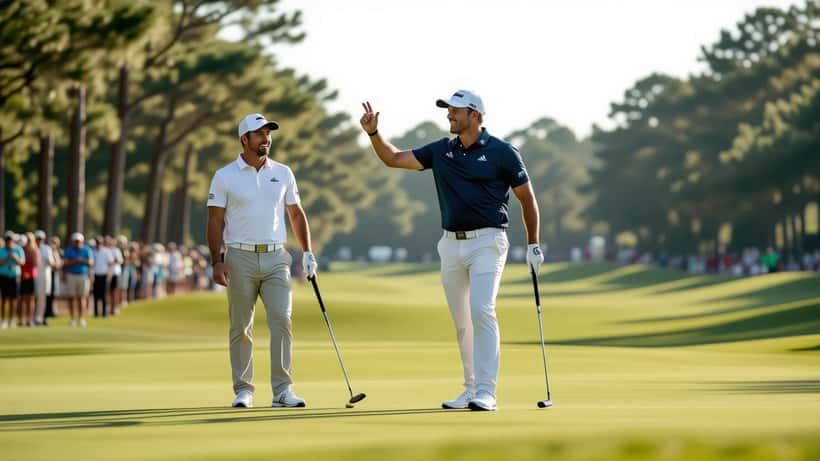
Norwegian rookie Kristoffer Reitan pocketed $2.16 million by finishing second at the 2026 Truist Championship on May 10, 2026 — one of the biggest single paydays of his professional career. The 28-year-old, competing in just his first full season on the PGA Tour, entered the final round at Quail Hollow Club trailing leader Alex Fitzpatrick by only one shot, before ultimately claiming solo second place with a score of -13.
That kind of sudden, life-altering windfall is exactly what financial planners say most young athletes are completely unprepared for — and the lessons extend well beyond professional golf.
The Truist Championship: A $20 Million Showcase
The 2026 Truist Championship at Quail Hollow Club in Charlotte, North Carolina, carries a $20 million total purse, positioning it among the PGA Tour's eight elite Signature Events of the season. The tournament winner collects $3.6 million, while solo second place earns $2.16 million, according to the official PGA Tour payout structure.
Reitan's week at Quail Hollow illustrates how quickly an elite athlete can reach a financial inflection point. Just one year ago, he was competing on the European DP World Tour, finishing in the top 10 to earn his PGA Tour card. Within his debut season in North America, he has placed near the top of a $20 million event — a trajectory that surprises even seasoned observers.
For fans following Reitan's rise, it's a compelling sports story. For financial advisors, it's a familiar pattern that raises a critical question: what happens when an athlete's bank account suddenly changes shape?
The Income Concentration Problem Every Athlete Faces
Professional athletes — whether in golf, hockey, tennis or basketball — face a financial reality that most professionals never encounter: they earn the bulk of their lifetime income in a compressed window, typically between the ages of 22 and 35. Financial advisors refer to this as "income concentration risk."
For Canadian amateur athletes dreaming of turning professional, or for anyone who receives a large, unexpected lump sum — a business sale, inheritance, or executive bonus — the lessons from elite sport apply directly.
According to the Financial Consumer Agency of Canada, many Canadians lack a structured financial plan even at peak earning stages. That gap becomes dangerous when large sums arrive unexpectedly, without a framework for protecting them.
Tax Implications of Sudden Prize Income in Canada
The tax picture for large prize money is more complex than it appears on the surface.
For Canadian residents, the Canada Revenue Agency treats most prize income as taxable unless it qualifies under a narrow exemption. In 2026, the top federal marginal tax rate in Canada is 33% on income above $246,752. A single large income event can push a taxpayer into the highest bracket immediately, with provincial rates adding an additional 13–17% depending on the province. A combined marginal rate above 50% is possible in several provinces.
For international athletes earning in the United States — as Reitan does — withholding taxes are a separate consideration. The IRS typically withholds 30% of U.S.-source income from non-residents. However, the Canada-U.S. Tax Convention allows Canadian residents to credit U.S. taxes paid against their Canadian tax liability, preventing double taxation on cross-border earnings.
Critically, many athletes don't realize that professional tournament winnings may require quarterly estimated tax payments — not just a year-end bill. Missing instalment deadlines triggers CRA interest charges that compound quickly on large sums.
Proven Strategies for Managing a Financial Windfall
Whether you receive a sports prize, a business payout, or an unexpected inheritance, financial experts recommend a disciplined approach before making any major spending decisions:
Build a 90-day pause before spending. Impulse decisions immediately after a large deposit are among the most common wealth-destroying behaviours. A structured pause creates space to think clearly and consult professionals.
Set aside a tax reserve immediately. Allocate at least 40–50% of any large income event in a dedicated savings vehicle earmarked for taxes. Nothing creates a more damaging financial crisis than spending funds that belong to the CRA.
Max out registered accounts first. RRSP and TFSA contributions should be prioritized before any discretionary investments. In 2026, the TFSA annual contribution limit is $7,000. Catching up on unused RRSP room in a high-income year can significantly reduce your taxable base.
Separate needs from wants with a financial plan. Elite athletes who maintain their lifestyle post-retirement often underestimate how much capital is required to replicate active-career income. A certified financial planner (CFP) can model these projections before habits form.
Why Amateur Canadian Athletes Are Underprepared
Canada's amateur sports system develops world-class talent across disciplines — from golf to swimming to hockey. Sport Canada's Athlete Assistance Program (AAP) provides carding stipends to nationally ranked athletes, but financial literacy education is rarely part of the package.
As a result, many young Canadians arrive at their first major professional payday with little understanding of tax obligations, investment vehicles, or wealth protection strategies. The skills that produce athletic excellence — discipline, focus, delayed gratification — transfer naturally to wealth management, but only when properly directed.
Starting financial planning early, even on modest incomes, builds habits that protect athletes and professionals during peak earning years and far beyond. Key steps include opening and actively contributing to a TFSA, building a six-month emergency reserve, and understanding the difference between a product-selling financial advisor and a fee-only certified planner.
When to Consult a Wealth Management Expert
Kristoffer Reitan's second-place finish at Truist 2026 is a story of athletic breakthrough — but it's also a reminder that financial breakthroughs demand the same preparation as competitive ones.
Whether you are a Canadian athlete, a professional navigating a major income event, or anyone facing a significant financial transition, working with a qualified wealth management expert can be the difference between lasting security and costly regret.
On Expert Zoom, you can book a video consultation with licensed Canadian wealth management professionals who specialize in lump-sum income events, tax planning, RRSP strategy, and long-term portfolio construction — all from your home, at a time that works for you.
Disclaimer: This article is for informational purposes only and does not constitute financial or tax advice. Please consult a licensed financial advisor or tax professional for guidance specific to your personal situation.
