 Olivia Tremblay
Leylah Fernandez Reaches Madrid Quarterfinals — What the Record €16.47M Prize Pot Teaches Canadian Athletes About Financial Planning
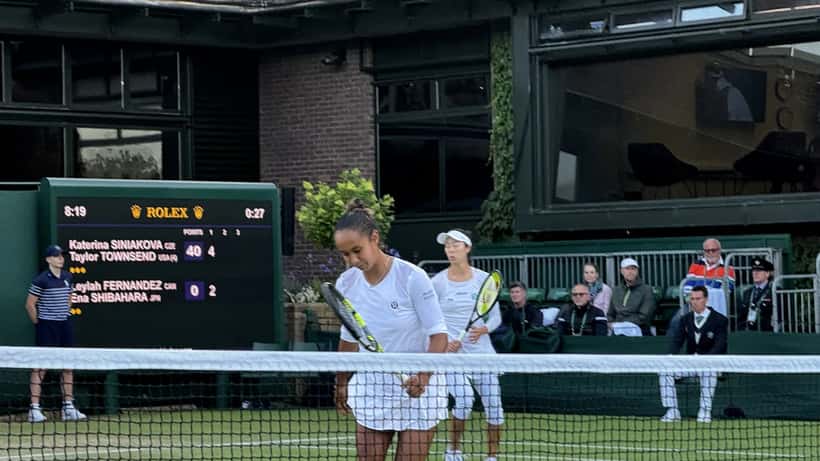
Leylah Fernandez of Laval, Quebec reached the quarterfinals of the Mutua Madrid Open on April 28, 2026 — only the second Canadian woman ever to do so — before losing to eventual champion Mirra Andreeva 7-6(1), 6-3. Meanwhile, Jannik Sinner and Alexander Zverev contested the men's final on May 3 in a tournament that distributed a record €16,471,080 in total prize money. Women's singles champion Marta Kostyuk earned €1,007,165 for her title run. Fernandez earned a significant prize cheque of her own.
For Canadian tennis fans, Fernandez's run is a breakthrough moment. For Canadian financial professionals and athletes, the tournament highlights a question that applies to any professional sport: what happens to prize money — and how should it be managed?
A Historic Week for Canadian Tennis
Fernandez's Madrid run was a career milestone. She defeated Ann Li 6-3, 6-2 in the last 16 before pushing Andreeva to a tiebreak in the first set of their quarterfinal. In matching her best WTA 1000 result, she continues building on a career that saw her reach the 2021 US Open final as a 19-year-old.
Felix Auger-Aliassime, Canada's top-ranked men's player, exited in the third round after losing to Alexander Blockx. The contrast highlights a key reality in professional tennis: prize money is deeply unequal by round, and a player's earnings can vary enormously across the calendar year.
According to Tennis Canada, both Fernandez and Auger-Aliassime are supported by the High Performance Program, which invests in Canadian players from junior development through to the professional tour. The financial journey from a supported junior to an independent professional earning international prize money is one of sport's most complex financial transitions.
How Prize Money Actually Works in Professional Tennis
Professional tennis prize money is paid in the currency of the tournament host country and typically subject to withholding taxes at source. For a Canadian player winning prize money in Spain, the payment flows through the tournament, is subject to Spanish withholding tax, and must then be declared on the Canadian tax return — with foreign tax credits applied to avoid double taxation.
The breakdown for Madrid Open 2026:
- Singles champion: €1,007,165
- Runner-up: approximately €555,000
- Semifinalists: approximately €315,000 each
- Quarterfinalists: approximately €180,000 each (Fernandez's approximate earnings)
- Third round exit: approximately €45,000 each (Auger-Aliassime's approximate earnings)
These amounts are gross figures before taxes, agent fees (typically 10-20%), and travel and training costs. A top professional spending €25,000 per month on coaching, flights, and accommodation quickly sees net prize money at a fraction of gross earnings.
Three Financial Challenges Specific to Professional Athletes
1. Irregular income streams: A professional tennis player might earn €200,000 in one quarter and €20,000 in the next, depending on tournament performance and injury. Traditional financial planning assumes steady income. Athletes need cash-flow management strategies that buffer against these fluctuations — typically through high-yield savings reserves covering six to twelve months of fixed costs.
2. Multi-jurisdictional taxation: Prize money earned in Spain, the United States, Australia, and the United Kingdom — the four Grand Slam countries — is taxed differently in each. Canada has tax treaties with most tennis-playing nations, but the compliance burden is real. Athletes working at Fernandez's level typically employ a tax specialist who understands cross-border sports income, not just a general accountant.
3. Short career windows: The average professional tennis career peaks between ages 20 and 32 — roughly a twelve-year earning window. Financial planning for athletes must account for this compressed timeline. Maximizing RRSP and TFSA contributions during peak earning years, managing tax-efficiently in high-income periods, and investing in income-generating assets that sustain lifestyle post-retirement are all critical priorities.
What the Record Prize Pool Signals for Sports Economics
The Madrid Open's €16.47 million prize pool — the largest in the tournament's history — reflects a broader trend in professional sports: increasing revenues driven by television rights, streaming deals, and sponsorship. ATP and WTA prize money has grown significantly over the past decade, raising the career earnings potential for successful professionals.
For Canadian athletes in any sport, this trend creates both opportunity and responsibility. Higher earnings mean more complex tax situations, more investment decisions, and more risk of wealth mismanagement. Research consistently shows that a significant percentage of professional athletes deplete their wealth within years of retirement — not through reckless spending, but through inadequate financial planning during earning years.
The Fernandez Example: Planning for Success
At 23, Leylah Fernandez has time on her side. But the financial decisions she makes now — how her prize money is managed, invested, and protected — will determine her financial independence long after her playing career ends.
The same principle applies to any Canadian professional earning above-average income in a competitive field, whether in sport, finance, medicine, or tech. The wealth management challenges facing a professional tennis player are concentrated versions of challenges every high-earner faces:
- How do I manage variable income without over-spending in good periods?
- How do I minimize the tax I pay on legitimate earnings?
- How do I build long-term assets while managing short-term cash flow?
- When should I involve a wealth manager versus doing it myself?
The answer to that last question, for most professionals, is: earlier than you think.
A Wealth Manager Can Do More Than Invest Money
Many Canadians think of wealth management as something for retirees or the very wealthy. In practice, a certified financial planner or wealth manager adds the most value to professionals in their 20s and 30s who are building assets and facing complex financial decisions for the first time.
Services include: tax-efficient investment strategies, RRSP and TFSA optimization, estate planning, insurance review, and cross-border financial planning for those with international income. For athlete-entrepreneurs, planning around income variability and career transition is a specialized skill.
On ExpertZoom, you can connect with a wealth management professional who understands the specific challenges of high-earners with variable income — whether you're an athlete, a commissioned professional, or a business owner navigating your best earning years.
Note: Prize money figures are estimates based on published prize pool distributions and may differ from official amounts. This article is for informational purposes only and does not constitute financial advice. Consult a certified financial planner for guidance specific to your situation.
