 Olivia Tremblay
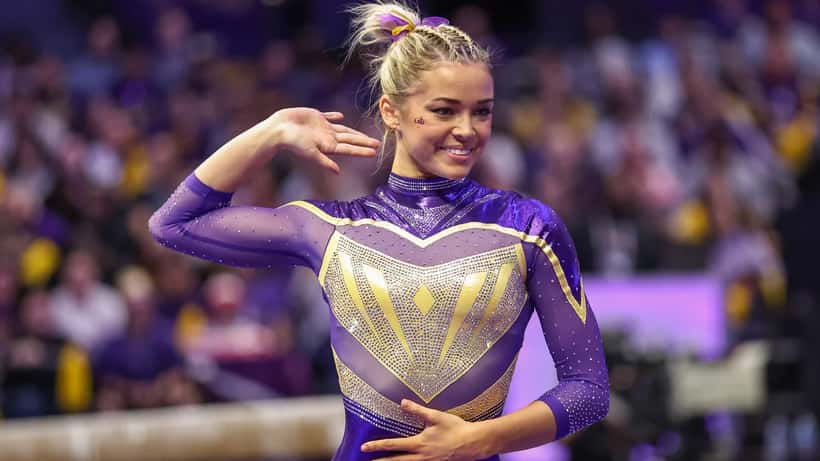
Olivia Dunne has once again graced the cover of the Sports Illustrated Swimsuit Issue — her fourth appearance in the magazine and her second as a cover subject. Photographed by James Macari in Loreto, Baja California Sur, Mexico, for the 2026 edition, the 23-year-old former LSU gymnast turned model, content creator, and actress represents one of the most deliberate post-sport career transitions in recent memory.
Dunne announced her retirement from gymnastics in April 2025, ending a college career in which she became the highest-paid female NIL athlete in the United States. Her trajectory since — from competitive gymnast to SI Swimsuit cover star, brand partner, and now actress in Fox's upcoming Baywatch reboot premiering January 2027 — is a case study in how today's athletes are building wealth through parallel income streams long before their sporting careers end.
For Canadian athletes navigating a new era of NIL opportunities, brand partnerships, and post-sport career transitions, Dunne's 2026 moment offers both inspiration and concrete financial lessons.
How NIL Transformed the Wealth Equation for Athletes
Before the NCAA implemented NIL rule changes in 2021, college athletes in the United States were prohibited from earning money from their name, image, and likeness while competing. Dunne was among the first elite gymnasts to capitalize fully on the new framework. At her peak, she was earning an estimated $3.3 million USD annually from brand deals while competing full-time as a college student.
NIL is now a permanent feature of collegiate sport in the United States, and its influence is reshaping athlete compensation conversations in Canada as well. Canadian universities are exploring their own athlete compensation frameworks, and professional athletes in the CFL, PWHL, and other Canadian leagues are building brand portfolios alongside their playing careers.
The wealth management questions that NIL income raises are substantial — and frequently misunderstood:
NIL income is earned income, and it is taxable. Unlike athletic scholarships, which carry specific tax exemptions, NIL payments are classified as self-employment income in both the U.S. and Canada. Athletes earning from NIL deals must file as self-employed, track business expenses related to content creation and appearances, remit applicable taxes, and in cross-border cases, navigate the tax treaty between Canada and the United States.
Brand deals are contracts — and their terms matter. NIL agreements typically include exclusivity provisions, content delivery requirements, minimum follower thresholds, and termination clauses. Athletes who sign without legal review can find themselves bound by obligations that conflict with future opportunities, or exposed to clawback provisions they didn't anticipate.
Brand value fluctuates in ways investment returns do not. An athlete's market value as a brand partner is tied to performance, public attention, and reputation — all of which can shift rapidly and with little warning. Dunne's career illustrates the right approach: she built her personal brand during her competing years, invested in transitioning it, and positioned herself for entertainment opportunities before her athletic career ended. The window to build that brand infrastructure is far narrower for athletes who wait.
Managing the Post-Sport Financial Transition
Dunne's Baywatch casting represents a deliberate extension of her income-generating years well beyond what gymnastics alone could have offered. Professional gymnastics careers are notably short — most elite female gymnasts reach peak performance between 16 and 22, and few compete beyond their mid-20s. Building a media and entertainment career before retirement, rather than after, is what allowed Dunne to transition without a gap in income or public relevance.
The Financial Consumer Agency of Canada advises all Canadians to build diversified income streams and to plan for career transitions that may arrive earlier than anticipated. For professional athletes — where a career can end suddenly due to injury, selection decisions, or league changes — this is not abstract advice. It is urgent.
The key financial planning steps for athletes managing brand-based income:
Establish a separate business entity. Many athletes who earn NIL or sponsorship income operate as sole proprietors by default, which exposes personal assets to business liability. Incorporation can provide both liability protection and meaningful tax advantages, particularly for athletes earning above $100,000 annually from personal brand activities.
Invest consistently, not reactively. High-income years in athletic careers are often followed by significant income reductions. Building automatic investment contributions during peak earning periods — rather than spending reactively — creates the financial buffer that sustains lifestyle through income transitions.
Understand reputation risk in brand contracts. Agreements tied to an athlete's image and likeness typically include morality clauses allowing a brand to terminate the deal if the athlete's public reputation is damaged. Understanding these clauses and the financial exposure they create is work for both a lawyer and a financial advisor, ideally before the contract is signed.
The NIL Lessons That Travel North
NIL equity deals and athlete wealth building are no longer uniquely American conversations. Canadian athletes with significant social media followings, competitive credentials, and brand appeal are increasingly approached for partnership agreements that carry the same financial complexity as any NIL contract — without the established legal frameworks that U.S. collegiate sport has developed over the past five years.
Canadian athletes entering brand partnerships, sponsorship agreements, or post-sport media work should approach those contracts with the same legal and financial scrutiny that Dunne's team applied to her deals during her LSU years.
Athlete sponsorship structures and career finances — as illustrated by Canadian golfers and other athletes who have built long-term commercial relationships — show that the most durable brand deals are structured carefully from the start, with clear terms, independent legal review, and financial planning built around the income they generate.
What Dunne's 2026 Trajectory Means for Athletes Building Today
The SI Swimsuit cover and Baywatch casting both occurred within Dunne's first full year of retirement from competitive gymnastics. That timing is not coincidence. It reflects years of deliberate brand-building during her competitive career and the financial planning that made her post-sport transition an extension of momentum rather than a disruption of income.
The model that financial advisors increasingly recommend to young Canadian athletes: build the brand while you compete, invest the income at its highest point, and plan the post-sport career before it becomes urgent.
Athletes who wait until their competitive career ends to think about what comes next — financially and professionally — consistently find themselves with less leverage, fewer options, and more pressure than those who began planning years earlier.
This article provides general information only. Consult a qualified financial advisor for advice specific to your situation.
ExpertZoom connects Canadians with experienced wealth management professionals, including certified financial planners who work with athletes, content creators, and individuals navigating complex income transitions. If you are building a brand-based business or managing the financial side of a career pivot, a professional consultation can help you build a framework that protects what you earn.
