 Olivia Tremblay
Kiki Rice's Equity Brand Deal at the 2026 WNBA Draft: What Every Young Athlete Needs to Know About Financial Planning
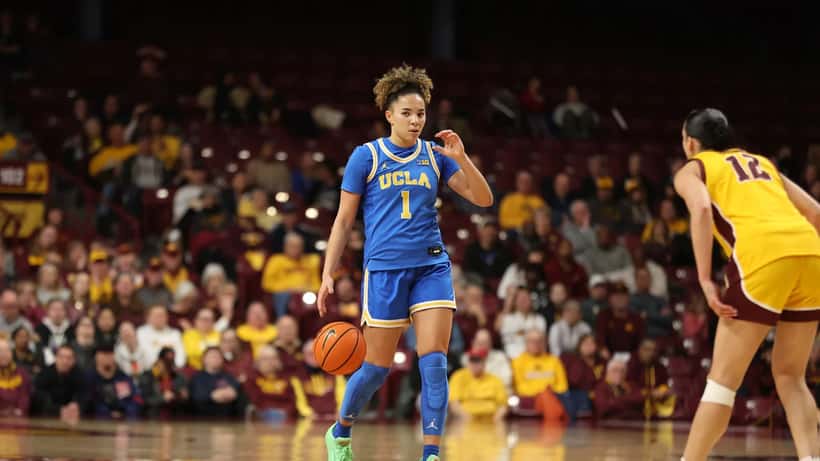
On April 13, 2026 — the day of the 2026 WNBA Draft — UCLA guard Kiki Rice stepped onto the Orange Carpet not just as a projected top-5 pick and the NCAA national champion who led the Bruins to a 79-51 title win over South Carolina, but as the brand ambassador and equity stakeholder in MiniLuxe, a clean nail care company. The deal, announced by MiniLuxe via GlobeNewswire on the same day as the draft, is notable: Rice is not simply being paid for appearances — she receives equity in the company.
That distinction matters enormously from a financial planning perspective. And for young Canadian athletes navigating their own sponsorship opportunities, Rice's approach offers a masterclass in what smart wealth management looks like at the start of an athletic career.
From Endorsement to Equity: What Rice Did Differently
Most brand deals for college and early-professional athletes follow a familiar template: athlete is paid a fee to post on social media, appear in advertisements, or attend events. The check clears, the taxes (often missed by young athletes) come due, and that is the end of the relationship.
Kiki Rice structured something different. As MiniLuxe CEO Tony Tjan explained, Rice will become an equity holder — meaning she owns a piece of the company itself. If MiniLuxe grows, so does the value of her stake. She is not just a face on a poster; she is a business partner.
This type of arrangement — athlete as investor, not just endorser — is increasingly common among elite players who work with experienced financial advisors. And for athletes at any level who are beginning to earn income from their sport, it represents exactly the kind of thinking a wealth management professional encourages.
The NIL Revolution and Its Financial Complexity
Rice's career coincided with the era of Name, Image, and Likeness (NIL) rules in the United States, which since 2021 have allowed college athletes to earn income from their name, image, and likeness. The NIL market has grown dramatically: payments to student-athletes in the U.S. are projected to reach $2.55 billion by June 2026, up 178% from the $917 million recorded in the first year of NIL eligibility, according to data cited by wealth management firm Merrill Lynch.
Canada does not yet have a formal NIL framework identical to the U.S. system, but Canadian student-athletes competing in American university programs — and there are many — are fully exposed to this market. Young Canadian athletes signing with NCAA programs, or competing professionally in leagues like the PWHL or WNBA, face the same financial realities as their American counterparts.
The challenge? Most 18-to-22-year-olds are not prepared for this level of financial complexity. Research from Merrill Lynch's wealth management division found that young athletes prioritize investing (82%), tax planning (61%), and building credit (60%) — but frequently underestimate what they don't know. As one advisor quoted by InvestmentNews noted, athletes often "think they're going to keep all the money" — not realizing that endorsement income, equity stakes, and appearance fees all trigger significant tax obligations.
Five Financial Mistakes Young Athletes Make (and How to Avoid Them)
1. Treating endorsement income like a paycheque Endorsement and NIL income is typically reported on tax forms like the 1099-NEC in the U.S., or as self-employment income in Canada. No taxes are automatically withheld. An athlete who earns $50,000 in endorsement income and spends it all will face a large tax bill they were not expecting. A wealth manager or financial advisor sets aside tax provisions from day one.
2. Ignoring the value of equity vs. cash Cash is immediate and certain. Equity is deferred and variable — but often far more valuable long-term. Rice's equity stake in MiniLuxe could be worth nothing, or it could be worth multiples of any cash fee she might have taken. An experienced advisor helps young athletes evaluate these trade-offs based on the company's fundamentals and the athlete's own financial needs.
3. No investment strategy for early earnings Athletes have short earning windows. Even the most successful professional careers typically span 10-15 years. A financial planner builds a structure that converts early, high earnings into long-term wealth — through registered accounts like TFSAs and RRSPs in Canada, investment portfolios, and diversification strategies.
4. Family and social pressure Wealth management professionals who work with athletes consistently flag this issue: family and social circle requests can rapidly deplete early earnings. Having a financial plan — and ideally a third-party advisor to help enforce it — provides both a roadmap and a buffer against impulsive spending decisions made under social pressure.
5. Missing the window for compound growth A 22-year-old who invests $50,000 today will, historically, see that money grow far more than someone who starts investing at 35. The Financial Consumer Agency of Canada (FCAC) offers tools and resources specifically designed to help young Canadians understand compound interest and long-term investment planning — but the key is starting early.
What a Wealth Manager Actually Does for Young Athletes
A wealth management specialist working with a young athlete typically handles several interconnected functions:
- Tax structuring: Ensuring income from different sources is reported correctly and that available deductions (training costs, agent fees, equipment) are captured
- Investment planning: Building a diversified portfolio appropriate to the athlete's risk tolerance and career stage
- Contract review coordination: Working alongside a lawyer or agent to evaluate the financial terms of brand deals, equity offers, and professional contracts
- Cash flow management: Budgeting to ensure immediate lifestyle costs don't consume all of the earnings needed for long-term financial security
- Retirement and transition planning: Many athletes do not think about career transitions until they are forced to. A wealth manager builds a plan that accounts for life after competition
The Kiki Rice Model for Canadian Athletes
Whether you are a young Canadian hockey player signing a first professional contract, a swimmer earning appearance fees, or a student-athlete beginning to receive sponsorship interest, Kiki Rice's approach at the 2026 WNBA Draft illustrates the standard to aim for: be intentional, choose partnerships that align with your values, and structure deals that build long-term value rather than short-term income.
On ExpertZoom Canada, you can connect with qualified wealth management advisors who specialize in working with athletes, entrepreneurs, and young professionals navigating complex financial decisions for the first time. Getting expert guidance early is not an expense — it is an investment in everything you are building.
Disclaimer: This article provides general financial information only and does not constitute financial, legal, or tax advice. Consult a licensed financial advisor or tax professional regarding your specific situation.
