 Aria Nguyen
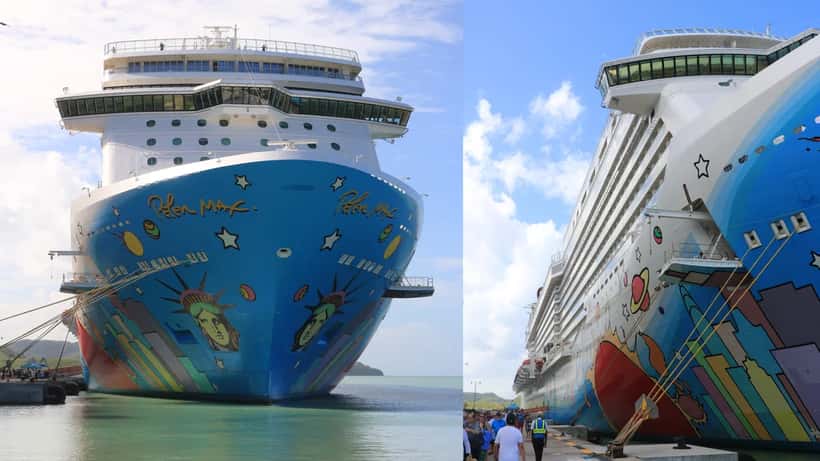
A crew member aboard the Norwegian Breakaway fell overboard on the night of April 25, 2026, approximately 12 miles east of Wellfleet, Massachusetts. The ship, travelling from Bermuda to Boston, launched rescue boats and deployed life rings at the last known position. A U.S. Coast Guard helicopter and crew from Station Provincetown arrived at 01:19 a.m. on April 26. The search was suspended on April 26 at 12:25 p.m. without finding the missing crew member.
The incident forced Norwegian Breakaway to delay its return to Boston, pushing back passenger embarkation for the next sailing and leaving thousands of passengers waiting for updated instructions. For Canadian travellers who regularly book cruises through U.S. and international operators, the case raises important questions about legal rights and what happens when things go seriously wrong at sea.
How Maritime Law Works — and Why It Differs From Land-Based Travel
Cruise ships operate under a legal framework unlike any other form of consumer travel. Most large cruise ships — including Norwegian Breakaway — are flagged in countries such as the Bahamas or Bermuda, even when operated by U.S. or European corporations. This means passengers and crew are governed by maritime law, including the Athens Convention for passenger claims and the Maritime Labour Convention (MLC) for crew rights.
Under maritime law, the cruise line's liability for injury, death, or delay is heavily limited by the terms printed in the passenger ticket contract — a document most travellers never read in full. These contracts can restrict where claims must be filed (often in U.S. federal courts), impose short limitation periods (sometimes as little as one year), and cap compensation amounts well below what a land-based plaintiff might recover.
What Rights Do Passengers Have When a Cruise Is Delayed?
When an incident such as a man-overboard situation causes significant departure delays, passengers often assume they are entitled to automatic compensation. In practice, the situation is more complicated.
Most cruise line passenger contracts include a force majeure or "safety exception" clause that permits delays, route changes, or cancellations when necessary for safety reasons. A vessel returning to a search position or holding for a Coast Guard investigation almost certainly falls within this clause. Passengers who missed flights, lost prepaid hotel bookings, or incurred other costs due to the delay may find they have limited direct recourse against the cruise line itself.
However, this does not mean passengers are left with nothing. Travellers may have claims through:
- Travel insurance — comprehensive policies often cover missed connections and additional accommodation costs caused by carrier delays
- Credit card travel benefits — certain premium cards provide trip delay or interruption coverage
- Airline rebooking rights — if the delay caused a missed flight, the airline may offer rebooking without fees, depending on the carrier and fare class
A lawyer specializing in maritime or travel law can assess whether the specific delay circumstances trigger any additional obligation on the cruise line's part under Canadian consumer protection principles — particularly for passengers who purchased through Canadian travel agencies.
What Rights Do Crew Members Have?
This incident highlights a less-discussed dimension of cruise travel: the working conditions and legal protections of cruise crew. Under the Maritime Labour Convention 2006 — an international treaty that Canada has ratified, per Transport Canada's marine transportation framework — cruise operators must provide crew with safe working conditions, adequate rest periods, access to medical care, and repatriation assistance.
When a crew member is injured or goes missing at sea, the cruise line is required to notify the next of kin, cooperate with search and rescue authorities, and — in cases of confirmed death — provide compensation under the MLC and the crew member's employment contract. These obligations apply regardless of where the ship is flagged.
Norwegian Cruise Line issued a statement acknowledging the incident and expressing condolences, stating that "situations such as these are never easy." The company confirmed full cooperation with the U.S. Coast Guard during the search.
What Should Canadian Cruise Travellers Do Before Boarding?
The Norwegian Breakaway incident is a practical reminder that cruise travel carries specific legal and logistical risks that most travellers do not consider until something goes wrong. Here is what a maritime or travel lawyer would recommend before you next board a ship:
Read your ticket contract. The passenger contract defines your rights, the cruise line's liability limits, and the mandatory dispute resolution venue. Knowing this before departure is far more useful than discovering it after an incident.
Purchase comprehensive travel insurance. A policy that covers trip interruption, missed connections, and emergency medical evacuation at sea is not optional for cruise travel — it is essential. Standard provincial health coverage does not extend to medical care on international waters.
Document any losses immediately. If a delay causes you to incur expenses, keep all receipts and written communications from the cruise line. These records are essential if you later pursue a reimbursement claim through insurance or legal channels.
Consult a maritime or travel lawyer for significant losses. If you suffered substantial financial losses or physical harm during a cruise incident, the applicable limitation period can be as short as one year from the incident date. Early legal advice is critical to preserving your rights.
Cruise travel remains one of the most popular vacation formats for Canadians, with hundreds of thousands of Canadian passengers booking ocean voyages each year. Understanding the legal framework governing these trips does not require legal training — but knowing when to consult a professional does.
This article is for general informational purposes only and does not constitute legal advice. Maritime and travel law is complex and fact-specific. Consult a qualified legal professional for advice about your specific situation.
