 Chloé Dubois
MSC Euribia Has Been Stranded in Dubai Since February — And Thousands of Passengers Were Left Scrambling
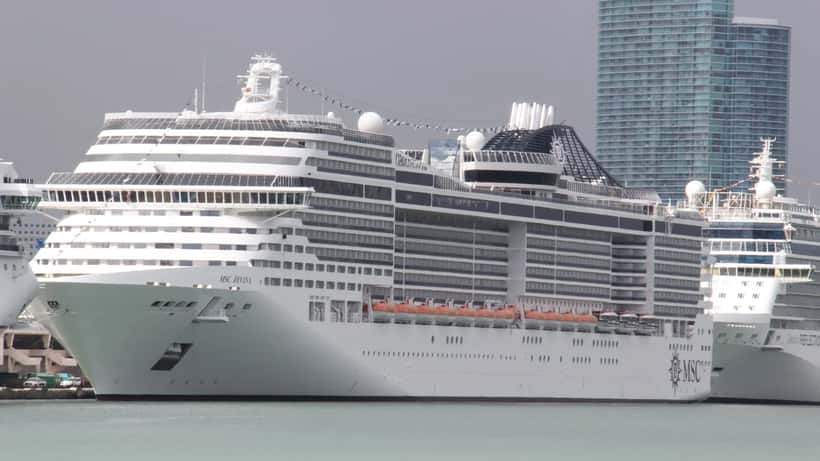
In late February 2026, MSC Euribia became trapped in Dubai amid escalating security concerns in the Strait of Hormuz. Over 1,500 passengers were repatriated via charter and commercial flights in early March — and MSC subsequently cancelled the ship's entire planned European summer season, including a Kiel departure scheduled for May 2, 2026. The same week, MSC announced the cancellation of its full 2026-2027 Arabian Gulf season for MSC World Europa. For Canadian travellers who had booked these voyages — or who are now watching MSC's rapid expansion into the Canada and Alaska market with its new MSC Poesia route out of Seattle — the question is sharp: what rights do cruise passengers in Canada actually have when things go wrong?
The MSC Cancellations: What Happened
The cascade began as security conditions in the Middle East deteriorated through late 2025 and into early 2026. MSC cited risk to crew and passengers as the basis for suspending operations through the Arabian Gulf. For passengers stranded in Dubai, MSC organized repatriation and offered rebooking flexibility with no change fees, plus up to 200 euros in onboard credit per person.
This is not nothing. But it is also significantly less than what many affected passengers believe they are entitled to. Cruise contract terms are notoriously opaque, and the gap between what operators offer voluntarily and what passengers can legally claim is where Canadian consumer protection lawyers are increasingly active.
Canadian Cruise Passenger Rights: A Patchwork Framework
Unlike air travel — where Canadian regulations, specifically the Air Passenger Protection Regulations (APPR), set clear minimums for compensation — cruise passenger rights in Canada have no equivalent federal framework. The Canadian Transportation Agency, which governs air travel, has no direct jurisdiction over ocean cruise operators.
This means your rights as a Canadian cruise passenger are primarily governed by three sources:
1. The cruise contract (the ticket terms)
Every cruise ticket includes a multi-page contract that most passengers never read. These contracts typically contain:
- Force majeure clauses that allow the operator to cancel or alter itineraries without compensation for "extraordinary circumstances"
- Jurisdiction clauses (many specify disputes must be resolved in a US or European court)
- Limitation of liability caps, often well below the actual cost of the cruise
- Refund timelines that can stretch 90 days or longer
When MSC offers "rebooking flexibility" as the primary remedy, it is often operating within the terms of its standard ticket contract. Whether those contract terms are enforceable in Canada is a separate question.
2. Provincial consumer protection law
In Canada, provincial consumer protection legislation — such as Ontario's Consumer Protection Act, British Columbia's Business Practices and Consumer Protection Act, and Quebec's Consumer Protection Act — provides important backstops. These laws generally prohibit unfair practices, require refunds for services not rendered, and impose timelines that operators must respect regardless of contract terms.
If a cruise is cancelled and you are offered future credit rather than a cash refund, provincial law may entitle you to demand a full cash refund. A consumer protection lawyer can assess whether the operator's offer complies with the law in your province.
3. Credit card chargebacks
Many Canadians who book cruises on credit cards have an underused tool: the chargeback. If a service is not delivered as promised and the merchant refuses to provide a full refund, your credit card issuer may reverse the charge. The Financial Consumer Agency of Canada (FCAC) confirms that chargebacks are a legitimate consumer remedy under card network rules.
For cruise cancellations, you generally have 120 days from the original expected sailing date (not from when you paid) to initiate a chargeback. Time limits vary by card network. This is one of the most effective remedies available and requires no legal action — just a call to your card issuer.
What MSC's Canada Expansion Means for Canadian Passengers
MSC's stranding crisis comes as the cruise line is aggressively expanding its Canadian footprint. MSC Poesia is launching seven-night Alaska and Canada cruises from Seattle starting in May 2026, with calls to Victoria, BC. For Canadians boarding in Seattle or joining at Canadian ports, the same ambiguous rights framework applies.
If you are booking a cruise — whether MSC, Royal Caribbean, Carnival, or any other operator — here are the specific items to review before you commit:
- Refund policy: Is a full cash refund available if the operator cancels? Or only future credit?
- Jurisdiction clause: If you need to dispute the contract, which court and which law applies?
- Travel insurance: Does your policy cover operator insolvency or cancellation for reasons beyond force majeure?
- Credit card protection: Are you booking on a card that offers purchase protection or extended travel coverage?
When to Consult a Lawyer
Most cruise disputes can be resolved through direct negotiation, credit card chargeback, or complaint to provincial consumer protection authorities. But some situations warrant legal advice:
Consult a consumer protection lawyer if:
- You were offered future credit only and want a cash refund, and the operator refuses
- The cruise was significantly altered (itinerary changed, ports dropped, duration shortened) without adequate compensation
- You suffered personal injury, illness, or property damage onboard and are receiving a low settlement offer
- The jurisdiction clause in your contract may prevent you from pursuing a claim in Canada
- Your claim is large enough (typically above $3,000-$5,000) that small claims court may not cover the full amount
Several Canadian provinces, including Ontario, allow small claims up to $35,000 — making court action viable for many cruise disputes.
Practical Steps If Your Cruise Was Cancelled
- Document everything: Save all booking confirmations, payment receipts, cancellation notices, and communications with the operator.
- Request a full refund in writing: Send an email or letter citing the cancellation and requesting a cash refund within 30 days.
- Check your travel insurance: File a claim immediately — delay can affect eligibility.
- Initiate a chargeback: Contact your credit card issuer if the operator refuses a refund or exceeds a reasonable timeline.
- File a complaint: In Ontario, contact the Ontario Ministry of Public and Business Service Delivery. In BC, contact Consumer Protection BC.
The MSC Euribia situation is a reminder that cruise travel — however glamorous — involves complex contracts and limited passenger protections. Knowing your rights before you board is the smartest ticket you can buy.
This article is for general informational purposes and does not constitute legal advice. For advice specific to your situation, consult a qualified lawyer in your province.
