 Emilie Wang
The disappearance of Lynette Hooker, a 55-year-old American woman who reportedly fell overboard from a dinghy near Elbow Cay in the Bahamas on the evening of April 4, 2026, has gripped North American audiences — and raised urgent questions for Canadians who travel abroad every year. When a family member vanishes in a foreign country, what rights do you actually have? And what steps can you take?
What Happened to Lynette Hooker — and Why Canadians Are Paying Attention
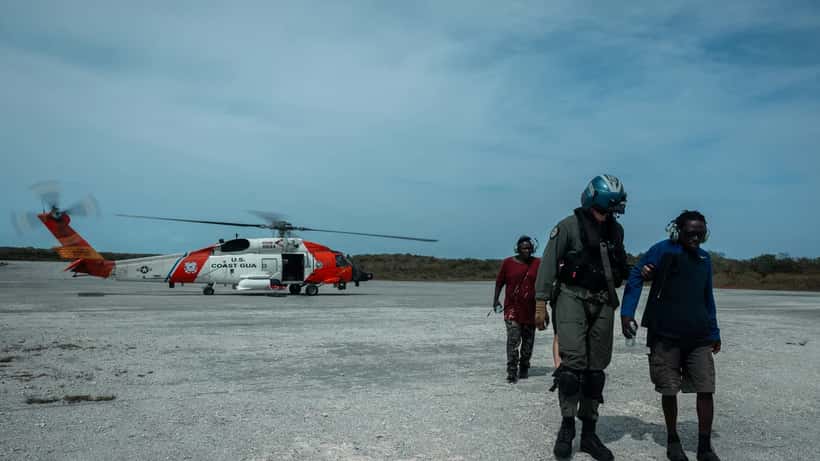
Lynette Hooker and her husband Brian were returning to their yacht by dinghy when, according to Brian's account, bad weather caused her to fall overboard. He arrived at Marsh Harbour Boat Yard on Abaco Island in the early hours of April 5, where police were called. The Royal Bahamas Defence Force launched an extensive search, deploying shore patrols, aerial drone surveillance, and submersible drones. The U.S. Coast Guard also sent cadaver dogs and opened its own criminal investigation.
Brian Hooker was arrested on April 8, then released without charges on April 13-14 after prosecutors said the investigation was ongoing. As of mid-April 2026, he has left the Bahamas while remaining a suspect according to Royal Bahamas Police Commissioner Shanta Knowles. Lynette has not been found.
The case resonates in Canada because the Bahamas is one of the most popular winter and spring travel destinations for Canadians. And the Government of Canada's own travel advisory for the Bahamas — updated as recently as March 31, 2026 — currently advises travellers to "exercise a high degree of caution," citing high rates of violent crime, risks to foreign women during water activities, and poorly regulated water sports operators.
What Rights Does a Canadian Family Have When Someone Goes Missing Abroad?
If a Canadian citizen or permanent resident goes missing in a foreign country, families often feel helpless — but there are concrete steps and legal rights to understand.
Consular assistance is your first call. Under the Vienna Convention on Consular Relations, Canada has the right to provide consular services to its nationals abroad. If your family member is Canadian and goes missing in the Bahamas or any other country, you should contact the nearest Canadian embassy or consulate immediately. Global Affairs Canada's Emergency Watch and Response Centre operates 24/7 at 1-800-387-3124 (toll-free in Canada) or +1-613-996-8885 from abroad.
What consular officers can do is significant: they can liaise with local police to confirm the status of an investigation, help identify local lawyers, provide a list of local funeral homes or repatriation services if needed, and facilitate communication with local authorities. What they cannot do is investigate the crime directly, provide legal representation, or compel a foreign government to act.
Travel insurance: read the fine print before you go. Most standard travel insurance policies cover emergency medical evacuation, hospital bills, and repatriation of remains. However, coverage for the costs of a search-and-rescue operation — or the family members who fly out to assist — is not universal. Some premium policies include trip interruption coverage that will cover a family member's emergency travel costs. Legal expenses coverage is also available in specialized travel insurance products, particularly relevant if a family needs to hire a local attorney to access court records or navigate a foreign legal process.
A legal expert can review your existing policy and advise whether a supplementary policy is worth adding before your next trip.
What Families Should Know About Missing Persons Investigations in Foreign Jurisdictions
One of the most painful aspects of the Hooker case for Lynette's family has been limited control over the investigation. Her daughter Karli Aylesworth publicly questioned the official timeline, yet found herself with few levers to pull. This is a common and legally complex situation.
In most countries, including the Bahamas, foreign families do not have standing to compel an investigation or access police files. The investigation is conducted under the host country's laws. However, there are practical steps a family can take:
- Hire a local lawyer. Local counsel can file formal requests for information, monitor whether charges are being pursued, and in some jurisdictions petition a court to appoint an independent investigator.
- Engage a private investigator. In some cases, families hire licensed investigators in the destination country to gather independent evidence. This is legal in most jurisdictions, though the admissibility of privately gathered evidence varies.
- File a report in Canada. If the missing person is Canadian, the RCMP's National Centre for Missing Persons and Unidentified Remains (NCMPUR) can coordinate with international law enforcement agencies including Interpol.
- Contact a Canadian immigration and international family lawyer. While they cannot practise foreign law, a Canadian lawyer with international experience can coordinate the local legal team and manage communication between Canadian authorities, foreign police, and consular officials.
According to the Government of Canada's travel advisory for the Bahamas, updated March 31, 2026, Canadians should exercise a high degree of caution given crime rates and safety risks during water activities — information that reinforces why having legal contingencies in place before travel matters.
Why This Case Matters for Anyone Planning a Trip
Canadians take approximately 10 million international trips per year. The overwhelming majority return safely. But the Hooker case is a reminder that when things go wrong in a foreign jurisdiction, the mechanisms for seeking justice or information can be slow, frustrating, and expensive.
Planning ahead can make a meaningful difference. Before any international trip — particularly aboard private boats, in remote areas, or to destinations with elevated crime advisories — legal and insurance experts recommend:
- Ensure your travel insurance explicitly covers search and rescue, legal expenses, and emergency family travel.
- Register your trip with the Government of Canada through the Registration of Canadians Abroad service (travel.gc.ca), which allows consular staff to contact you in an emergency.
- Leave a detailed itinerary with someone at home: vessel name, marina or anchorage locations, expected return dates, and local emergency contacts.
- Know the emergency number for the nearest Canadian consulate before you depart, not after something goes wrong.
When to Consult a Legal Expert
If you are managing a family emergency involving a missing person, a death, or a criminal investigation in a foreign country, the legal landscape can be disorienting. A Canadian lawyer with expertise in international matters can help you understand what foreign authorities are legally required to disclose, what recourse you have if an investigation stalls, and how to protect assets or interests back home during a prolonged crisis abroad.
ExpertZoom connects Canadians with licensed legal experts who can provide a first consultation on international legal situations, travel insurance disputes, estate and inheritance matters related to overseas deaths, and consular procedures. If you are facing a situation like the Hooker family — uncertain, frightened, and thousands of kilometres from home — expert legal guidance is not a luxury. It is the most important step you can take.
This article is for informational purposes only and does not constitute legal advice. If you are in an emergency abroad, contact the Government of Canada's Emergency Watch and Response Centre at 1-800-387-3124.
