 Adèle Chartrand
The 2026 BMW Open by Bitpanda wrapped up this weekend in Munich with American Ben Shelton and Italian Flavio Cobolli competing in Sunday's final — a result that surprised many after Cobolli eliminated defending champion Alexander Zverev in a commanding 6-3, 6-3 semifinal upset on April 18. Beyond the scoreline, this week's tournament offers a timely reminder for every Canadian who picks up a racket on the weekend: the body demands respect, and knowing when to consult a health professional can be the difference between a minor tweak and a season-ending injury.
What Happened at the Munich Open This Weekend
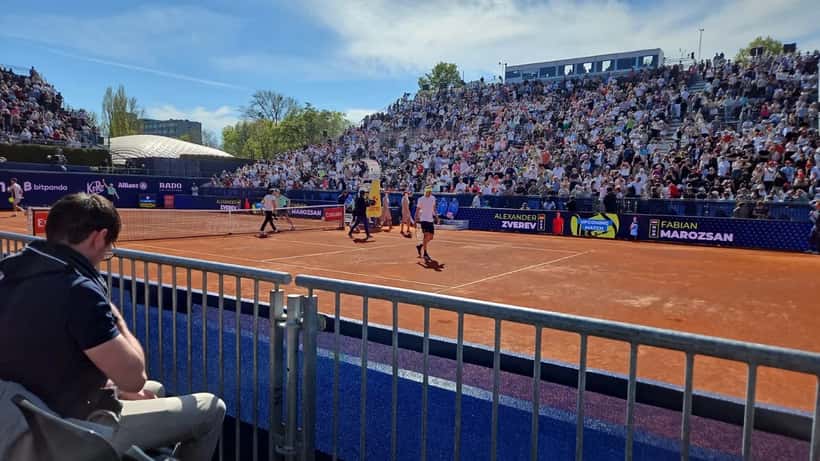
The ATP 500 event at the MTTC Iphitos club saw a string of intense, physically demanding matches. Ben Shelton — the powerful American known for his explosive serve — dispatched Slovak qualifier Alex Molcan 6-3, 6-4 to book back-to-back Munich final appearances. Cobolli, 23, delivered the week's biggest shock by neutralizing Zverev's baseline power with aggressive tactics, hitting 32 winners in his semifinal performance.
Joao Fonseca and Alexander Blockx also featured in competitive quarterfinal matches, with the tournament showcasing the physical demands of clay-court tennis: long rallies, explosive lateral movements, and sudden changes of direction that put enormous stress on knees, ankles, hips, and the lower back.
What spectators rarely see is what happens off camera: the physiotherapy sessions, the ice baths, the sports medicine consultations that allow these athletes to compete at this level day after day.
The Gap Between Elite and Recreational Players Is Bigger Than You Think
Here is where Canadian recreational players need to pay attention. Elite ATP players train year-round with physiotherapists, sports doctors, and conditioning specialists embedded in their support teams. According to Statistics Canada's Canadian Health Measures Survey (2022–2024), roughly 46% of Canadian adults meet recommended physical activity levels — and many of those active Canadians engage in racket sports, running, cycling, and team activities without anything close to that professional safety net.
The injuries that sideline recreational tennis players are often the same ones that professional players fight through with full medical support. Rotator cuff strains, tennis elbow (lateral epicondylitis), patellar tendinitis, and ankle sprains are the most common culprits. The difference is that a weekend warrior with a nagging shoulder pain often waits weeks or months before seeing a professional, turning a manageable strain into a chronic problem.
The Most Common Tennis Injuries — and the Warning Signs to Watch For
Tennis elbow (lateral epicondylitis) is the most recognizable tennis injury, but it affects far more than just tennis players. It develops from repetitive forearm and wrist movements, causing pain on the outer elbow. The warning sign: pain that worsens when you grip objects or extend your wrist. Left untreated, the tendons can become chronically inflamed, requiring months of rehab or, in persistent cases, corticosteroid injections.
Shoulder injuries — including rotator cuff tendinopathy and impingement syndrome — are common in overhead sports. The warning sign: a dull ache that worsens when lifting your arm above shoulder height or during a serve motion. A sports medicine physician or physiotherapist can assess whether the problem is muscular, tendinous, or involves the joint itself.
Knee pain in recreational players often points to patellar tendinitis (jumper's knee) or iliotibial band syndrome. The warning sign: pain directly below or around the kneecap, especially when going up or down stairs after a match. Proper warm-up, footwear, and surface-appropriate technique matter enormously here.
Ankle sprains remain the most common acute injury across all sports. The warning sign: any lateral ankle pain after twisting the foot, particularly if swelling develops within an hour. Functional rehabilitation after a sprain is critical — a poorly rehabilitated ankle is far more likely to be re-sprained.
Why Waiting Is the Worst Strategy
One of the most consistent patterns sports medicine physicians report is that recreational athletes wait too long. There is a cultural tendency to "play through" discomfort, especially among adults who feel they cannot afford downtime. The problem is that untreated injuries rarely resolve on their own at recreational activity levels. They adapt — meaning the body compensates in ways that create secondary problems in the hip, knee, or lower back.
A professional assessment early in the injury timeline is almost always faster and less expensive than treating a chronic condition. A physiotherapist or sports medicine doctor can distinguish between a strain that responds to a week of rest and targeted exercises versus a structural problem requiring imaging.
What Elite Players' Habits Mean for You
Watching Ben Shelton and Flavio Cobolli this week, it is worth noting that both players compete in full-week ATP events on different surfaces with minimal rest between rounds. That consistency is only possible because of proactive health management — not reactive treatment.
For Canadian recreational players, the takeaway is straightforward: treat a health professional as part of your sports routine, not just an emergency resource. A seasonal check-in with a physiotherapist, especially before a new sport season or after an injury, provides a baseline and a prevention plan.
ExpertZoom connects Canadians directly with licensed health professionals, including physiotherapists and sports medicine specialists, who can assess recreational sports injuries and guide you through evidence-based rehabilitation. Whether you play clay-court tennis on weekends or just want to stay active without setbacks, getting the right expert advice early is the smartest play you can make.
The Munich clay season continues — Roland Garros is just weeks away. Use this moment to check in on your own body before your next match.
This article contains general health information. For any injury or persistent pain, consult a qualified health professional. This is not a substitute for medical advice.
