 Elara Deschamps
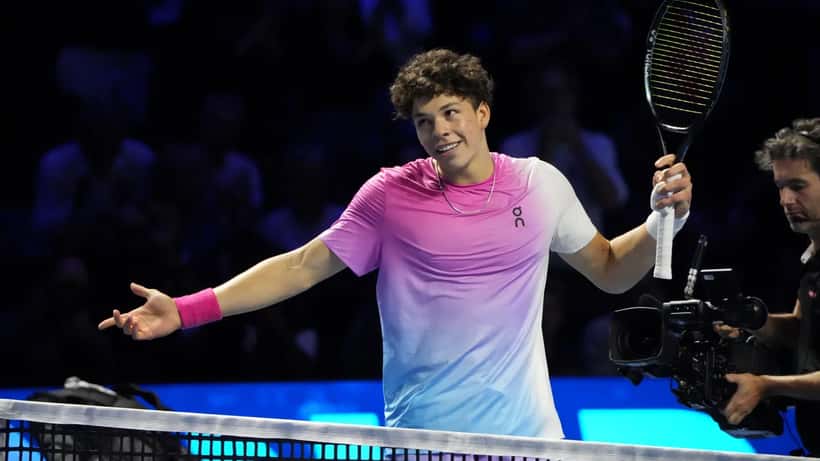
American tennis star Ben Shelton, 23, has endured a difficult stretch of illness and injury in early 2026 — battling flu at Indian Wells and a quadriceps problem that forced him out of the Acapulco tournament — a reminder that even elite athletes struggle to manage the physical demands of competitive sport.
Ben Shelton's Rocky 2026 Health Stretch
Shelton began 2026 with a strong run: quarter-finals at the Auckland Open, quarter-finals at the Australian Open in January, and a title win at the ATP 500 event in Dallas where he defeated fellow American Taylor Fritz. But the season quickly turned more complicated.
At the BNP Paribas Open in Indian Wells in March 2026, Shelton fell ill with influenza and lost in the third round to Learner Tien. According to reporting by the ATP Tour, Shelton described waking up each morning feeling like he "couldn't stand" and had no energy. He had already withdrawn from the Mexican Open in Acapulco earlier in the season due to a quadriceps injury, missing the ATP 500 event entirely.
At the Miami Open — the biggest tournament in his home state of Florida — Shelton entered as the eighth seed but was eliminated in the second round by Alexander Shevchenko 6-7(3), 7-6(3), 6-3, in a match lasting 2 hours and 22 minutes. In post-match comments reported by the ATP Tour, Shelton described the result as "disappointing" and acknowledged he had been "outplayed."
The sequence — injury, illness, early exits — is one Canadian recreational players may find surprisingly relatable, even if the level of competition is dramatically different.
The Weekend Warrior Parallel
Canada's recreational tennis community is significant and growing. Millions of Canadians play recreational tennis, squash, badminton, and pickleball every year, and the demographics of that community are aging upward. Players who were 30 in the early 2000s are now in their 50s and 60s — still playing, but with bodies that recover more slowly and joints that carry more wear.
The injuries that sidelined Shelton in early 2026 — a quadriceps strain and a bout of flu that compromised his performance for weeks — mirror the most common setbacks seen in adult recreational sports. According to the Canadian Institute for Health Information, musculoskeletal injuries are among the leading causes of Canadians seeking medical attention, with the lower extremities (knees, thighs, ankles) particularly vulnerable in court sports.
Quadriceps strains, like Shelton's, typically occur when the muscle is forcefully contracted while stretched — a standard movement in tennis when sprinting for a shot or planting the foot for a hard serve return. In recreational players, these strains often go undertreated: a few days of rest, then back on the court, often before the tissue has fully healed. Repeated partial strains can evolve into chronic weakness or predispose the knee to secondary injury.
When Flu Becomes a Bigger Problem
Shelton's Miami Open struggle highlights another issue recreational athletes often underestimate: returning to full activity too soon after a respiratory illness. Playing through flu or a heavy cold is not just an issue of performance — it carries genuine physiological risks.
Exercising at high intensity while fighting a systemic viral infection can, in rare but serious cases, trigger myocarditis — inflammation of the heart muscle. While this condition is uncommon in healthy adults, medical guidelines from Health Canada and sports medicine associations consistently advise against vigorous exercise during the acute phase of a febrile illness.
For recreational players who feel pressure not to cancel a club match or tournament registration, Shelton's experience provides a visible example of what the medical community calls "the cost of playing through it." Even a professional with the best sports medicine support in the world fell short of his goals when competing while compromised.
Signs You Should See a Doctor Before Returning to Play
For Canadian recreational tennis players — or anyone active in court sports — knowing when to book a medical appointment rather than "walking it off" can prevent minor injuries from becoming long-term problems. Key indicators include:
Regarding musculoskeletal injuries: Any sharp pain in the thigh or knee during explosive movement, swelling that persists beyond 24 to 48 hours, difficulty bearing full weight on the leg, or a sensation of the muscle "giving out" are all signals that warrant a physician or sports physiotherapist assessment. According to Health Canada's injury prevention guidelines, early assessment reduces recovery time and prevents re-injury.
Regarding illness and return to sport: A fever above 38°C is an absolute contraindication to vigorous exercise. Once fever has resolved, most sports medicine physicians recommend at least 24 to 48 hours of symptom-free rest before light activity, and a graduated return over several days before resuming full competitive play.
Regarding chronic overuse: Recreational players who experience recurring soreness in the same joint or muscle group — particularly in the knee, elbow (tennis elbow is common), or shoulder — should consult a sports medicine doctor or physiotherapist before the season's main competitive period.
Getting the Right Expert Help in Canada
Canada has a network of sports medicine physicians, physiotherapists, and general practitioners who specialize in musculoskeletal injury management. In provinces with direct access to physiotherapy (Ontario, British Columbia, Alberta), you can book directly without a physician's referral for many conditions — which means faster care.
For injuries that involve suspected tendon or muscle damage, imaging (ultrasound or MRI) may be required to confirm the diagnosis before a treatment plan begins. Early, accurate diagnosis dramatically shortens the recovery timeline — and for recreational players with tournaments or league schedules, that matters.
Ben Shelton will almost certainly recover from his difficult early 2026 stretch and return to form. Recreational players recovering from similar setbacks have the same tools available — experienced medical professionals, evidence-based rehabilitation protocols, and the simple wisdom of listening to the body.
According to Health Canada's physical activity and sport resources available at https://www.canada.ca/en/health-canada.html, injury prevention and timely treatment are central to keeping Canadians active throughout their lives. Booking that appointment — sooner rather than later — is the move Shelton himself admitted he should have prioritized in the early months of 2026.
