 Clara Thompson
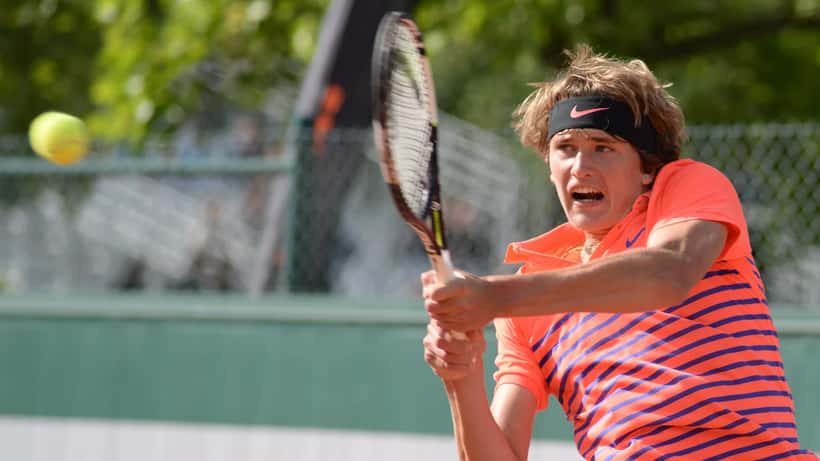
Alexander Zverev completed a dramatic comeback at the Monte Carlo Masters this week, saving three break points while trailing 2-5 in the deciding set against Cristian Garin before winning 4-6, 6-4, 7-5 on April 9, 2026. It was the kind of mental and physical performance that captured global attention — but for many sports fans, it also raised an important question: how does someone come back from serious foot and tendon injuries to compete at the highest level?
What Happened to Zverev This Season
Earlier in 2026, Zverev experienced pain in his left foot and Achilles tendon during the Australian Open, a scare that briefly threatened his ability to continue. He withdrew from the Rotterdam tournament following his Australian Open semifinal loss to Carlos Alcaraz in February. Yet by April, he was not only back on court but producing some of the most resilient tennis of his career — culminating in a Monte Carlo quarterfinal appearance and a seeded return to defend his title at the BMW Open Munich.
His story is not unique. Foot and Achilles injuries are among the most common and most debilitating injuries in competitive sport. Tennis players, runners, basketball players, and even recreational athletes face the same anatomical vulnerabilities. According to Health Canada's physical activity guidelines, the incidence of lower-limb overuse injuries rises significantly among adults who return to physical activity after a sedentary period — which describes millions of Canadians picking up spring sports right now.
What Is the Achilles Tendon and Why Does It Matter?
The Achilles tendon connects the calf muscles to the heel bone and is the largest, strongest tendon in the body. It absorbs forces equal to 3.9 times your body weight during running and up to 7.7 times during sprinting. Despite this, it is notoriously susceptible to injury because of its limited blood supply — particularly in the "watershed zone" roughly 2-6 cm above the heel, where most ruptures and tendinitis occur.
Achilles tendinopathy — the umbrella term for chronic Achilles pain — affects around 9% of recreational runners annually and up to 40% of former elite athletes. A full rupture is less common but dramatically more serious: it requires either surgical repair or an extended period of immobilization, with recovery timelines ranging from six months to a year or more.
The Difference Between Tendinopathy and Rupture
This distinction matters enormously for treatment decisions:
Tendinopathy (chronic pain, not a tear): Usually presents as morning stiffness, warmth around the tendon, or pain that warms up with activity but returns afterward. Conservative management — eccentric loading exercises (such as single-leg heel drops), load management, and physiotherapy — is the first-line approach and resolves most cases within three to six months.
Partial or full rupture: A sudden sharp pain, often described as feeling like being kicked in the back of the leg, sometimes with an audible "pop." Swelling, bruising, and the inability to push off the foot follow rapidly. This is a medical emergency — imaging (ultrasound or MRI) is required to confirm the injury, and treatment decisions must be made quickly.
One of the most common mistakes athletes make is confusing tendinopathy with a partial rupture and attempting to "run through" pain that is actually tissue damage. A doctor or sports medicine specialist can distinguish between these with a physical examination and imaging.
When Should You See a Doctor About Foot or Tendon Pain?
Many Canadians manage mild sports injuries at home with rest, ice, compression, and elevation (the RICE protocol) for the first 48-72 hours. But there are clear signals that professional evaluation is necessary:
- Inability to bear weight on the affected foot or leg
- A snap or pop felt or heard at the moment of injury
- Significant swelling or bruising appearing within hours
- Pain that persists for more than 2-3 weeks despite rest
- Recurring pain in the same location season after season — this pattern suggests underlying structural vulnerability
- Pain in a child or teenager — growth plate injuries require specialist attention and are often misdiagnosed as tendinitis
Spring is when these injuries spike in Canada. After months of reduced activity, tendons and ligaments have shortened and stiffened. When Canadians return to tennis courts, running trails, or hockey arenas without adequate conditioning, the Achilles and plantar fascia absorb forces they are not yet prepared to handle.
The Comeback Protocol: What Elite Athletes Do Differently
Zverev's rapid return from a foot scare followed protocols that sports medicine specialists apply across all levels of competition. The key principles:
Load management over total rest. Complete immobilization weakens tendons further. Supervised progressive loading — starting with low-impact activity and gradually increasing demand — stimulates collagen remodelling and rebuilds tendon strength.
Eccentric exercise. Research consistently supports eccentric heel-drop exercises (lowering the heel slowly while bearing weight) as the gold standard for Achilles tendinopathy rehabilitation. Studies show 12-week eccentric programs achieve results comparable to surgical intervention for chronic cases.
Return-to-sport testing. Before returning to full competition, elite athletes undergo hop tests, isokinetic strength assessments, and sport-specific movement screening. The goal is to confirm that the injured limb has recovered at least 90% of the strength of the uninjured side.
Getting the Right Expert Matters
Not all foot pain requires a sports medicine physician. A physiotherapist can handle most cases of tendinopathy if the diagnosis is clear. But for acute ruptures, persistent pain that does not respond to conservative treatment, or injuries in athletes with a history of repeated problems, an orthopedic consultation may be warranted.
Zverev's ability to compete at Monte Carlo — saving match points, running down drop shots, winning a three-set battle — is the result of expert-led rehabilitation, not simply natural toughness. For Canadian athletes heading into spring sport season, the same principle applies: the right specialist, at the right time, makes the difference between a full recovery and a recurring injury that limits activity for years.
This article is for general informational purposes. If you are experiencing foot, ankle, or tendon pain, consult a licensed healthcare professional before resuming physical activity.
