 Elara Deschamps
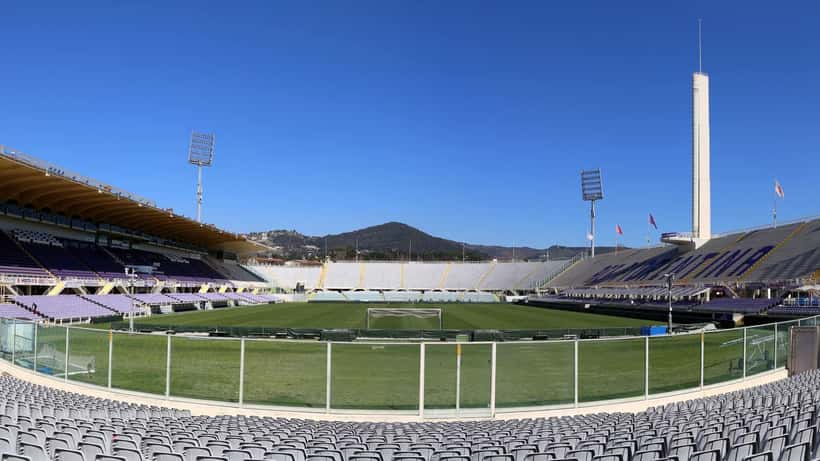
When Fiorentina hosts Atalanta at the Stadio Artemio Franchi on May 22, 2026, the stakes are high on both ends of the table. Atalanta, sitting seventh in Serie A, need points to protect their place in the European qualification zone. Fiorentina, fresh from a stunning 2-0 win over Juventus, are looking to finish the season on a high. But behind the tactical headlines lies a story that sports medicine specialists across Canada know all too well: the physical cost of the modern football calendar on professional athletes reaching the end of a long season.
The Hidden Toll of a 38-Game Season Plus Europe
For clubs like Atalanta, who have combined domestic Serie A competition with European fixtures, the 2025-26 season has been gruelling. Players in top European leagues routinely play 50 to 60 matches in a single campaign when cup competitions and continental tournaments are included. The human body was not designed to sustain that workload.
Research published in sports medicine literature consistently shows that injury rates in professional football spike significantly in the final weeks of the regular season. Muscle tears, tendon strains, and joint stress injuries — particularly in the hamstrings, knee, and ankle — increase when recovery time between matches is compressed. In a fixture-congested end-of-season schedule, a 72-hour turnaround between matches can mean players are performing at significant physiological risk.
This matters for the Fiorentina-Atalanta match specifically: for Atalanta, whose European ambitions depend on the result, the question of playing injured or fatigued starters versus resting them for a safer finish is a decision coaches face with real consequences — for the club's standings and for the individual player's long-term health.
What Is Overtraining Syndrome and When Does It Become a Medical Issue?
Overtraining syndrome (OTS) is a condition recognized by sports medicine practitioners worldwide, including in Canada. It occurs when the cumulative load of training and competition exceeds the body's capacity to recover. Unlike ordinary fatigue — which resolves with rest — OTS can persist for weeks or months and can derail an athlete's entire season or career trajectory.
Symptoms of OTS include persistent fatigue despite rest, declining performance, mood disturbances, sleep disruption, and increased susceptibility to illness and injury. The line between peak training load and overtraining is narrow, and professional athletes often cross it unintentionally because competitive pressure discourages admitting fatigue.
For Canadian athletes at any level — elite, amateur, or recreational — the OTS risk is equally real. The pattern is the same: a long competitive season, inadequate rest between sessions, and the cultural expectation to "push through." A sports medicine physician or physiotherapist can conduct a clinical assessment, establish baseline metrics, and help design recovery protocols that preserve performance without compromising health.
The Sports Medicine Case for Rotation and Rest
Top professional clubs increasingly use sports science data — GPS tracking, heart rate variability monitoring, and muscle oxygenation readings — to manage player load. The premise is straightforward: athletes who are rested at the right moments perform better and stay healthier over a longer career.
Atalanta head coach Gian Piero Gasperini has been associated with one of the most physically demanding tactical systems in European football, built on high-intensity pressing and constant movement. That approach has produced remarkable results — a Europa League title and multiple Champions League appearances — but it also imposes severe physical demands on players. Tracking injury incidence in Atalanta's squad throughout their European campaigns has become a case study in the trade-offs between short-term performance and long-term player health.
For Canadian sports coaches, trainers, and team physicians who follow the Serie A model, the lessons are transferable at every level: physical intensity without recovery management leads to preventable injuries.
Signs Canadian Athletes Should Know
Whether you are a weekend runner, a competitive amateur hockey player, or a youth athlete in serious training, these warning signs warrant a consultation with a sports medicine specialist:
- Persistent muscle soreness lasting more than 72 hours after exercise
- Unexplained drop in performance despite consistent training
- Sleep disturbances, irritability, or loss of motivation
- Frequent minor illnesses (colds, infections) during training periods
- Tendon pain that persists between training sessions rather than resolving with rest
According to the World Health Organization's guidance on physical activity and health, recovery is an essential component of any physical activity programme — not optional. The WHO recommends that adults engaging in vigorous activity build in at least one to two days of active recovery per week, with professional athletes requiring individually calibrated protocols.
When to See a Sports Medicine Specialist
In Canada, sports medicine physicians can be accessed through family doctor referrals or directly through physiotherapy clinics in most provinces. For athletes competing at a high level — or anyone who exercises regularly and notices persistent symptoms — an annual sports medicine assessment can identify risks before they become injuries.
For competitive youth athletes, whose bodies are still developing, the case for professional monitoring is even stronger. The long-term effects of overtraining during adolescence can affect bone density, hormonal development, and cardiovascular function — outcomes that only become apparent years later.
The Fiorentina-Atalanta match on May 22, 2026, is a compelling piece of sport. It is also, for those who know how to read it, a reminder that elite football is an extreme physical test — and that the questions it raises about load management and recovery are just as relevant for the everyday Canadian athlete. If you have been pushing hard and your body is signaling that something is wrong, an expert consultation is the right first step.
For related reading on how sports injuries at high-stakes moments are managed, see When a Head Injury Sidelines a Playoff Star: What Canadian Athletes Need to Know.
This article is for informational purposes only. It does not constitute medical advice. Consult a qualified sports medicine physician or physiotherapist for guidance specific to your situation.
