 Clara Thompson
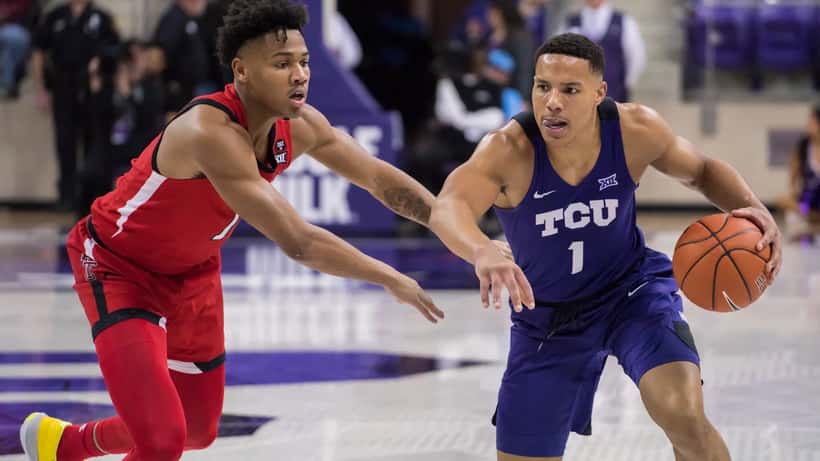
Terrence Shannon Jr. averaged 14.5 points per game in the 2026 NBA playoffs, nearly three times his regular season average of 5.6 — and then he was listed questionable for Game 6 against the San Antonio Spurs with a head contusion. The Minnesota Timberwolves guard had become one of the playoff's more compelling stories: a role player suddenly thrust into a starring role when injuries depleted the Timberwolves' roster, and performing well above expectations. The head contusion put that story on pause.
Shannon's injury also put a quiet spotlight on a question athletes, coaches, and families deal with constantly: when a player sustains a head injury during competition, how do you decide whether to keep playing?
Head Contusion vs Concussion: Understanding the Difference
The terms "head contusion" and "concussion" are sometimes used interchangeably, but they describe different things.
A head contusion is a bruise — an injury to the scalp, skull, or underlying tissue caused by direct impact. The bruise itself is a soft tissue injury. In most cases, a head contusion is painful and may involve swelling or visible bruising, but it does not necessarily involve the brain injury that defines a concussion.
A concussion is specifically a functional injury to the brain — caused by a blow to the head, neck, face, or body that forces the brain to move inside the skull, disrupting neural function. Symptoms include confusion, memory gaps, headache, nausea, light sensitivity, and sleep disturbance. Concussions do not always involve loss of consciousness, and they are not always detectable on imaging.
The challenge is that a head contusion and a concussion can occur simultaneously. An impact hard enough to bruise the scalp and skull may also be hard enough to cause a concussion. The question of whether Shannon sustained only a contusion or also a concussion is not something that can be determined from outside the medical evaluation — and that ambiguity is exactly why "head injuries" as a category warrant specialist attention rather than a quick sideline assessment.
The Pressure to Play Through Head Injuries in Professional Sport
In the context of an NBA playoff series, the incentives to underreport or minimize head injury symptoms are significant. Shannon's team was competing in an elimination scenario. His statistical output in the postseason had elevated his profile and his future contract leverage. Sitting out Game 6 had real costs — competitive, financial, and reputational.
This is not unique to Shannon or to the NBA. Athletes at every level — from professional leagues to recreational sports in Canada — face versions of the same pressure. A hockey player who takes a hit in the third period of a critical game. A soccer player who heads the ball awkwardly in the final minutes. A young basketball player who collides with an opposing player and dismisses it as "just a headache."
In professional sport, team medical staff manage these situations with access to trained physicians, neurological screening protocols, and return-to-play assessment tools. At the recreational and junior level in Canada, those resources are often not available.
When Should Any Athlete Seek Specialist Care After a Head Injury?
Canada's public health guidance on concussion is clear on this point: any athlete suspected of having a brain injury should be removed from activity immediately and assessed by a health professional before returning to play. The guidance from the Public Health Agency of Canada recommends that athletes receive a medical evaluation before any return-to-sport activity following a suspected concussion.
But when does a head injury warrant seeing a specialist — rather than a family doctor or walk-in clinic?
There are specific circumstances where specialist care is the appropriate first step:
Immediate emergency signs: Loss of consciousness, repeated vomiting, seizure, worsening headache, or weakness or numbness in limbs after a head impact are emergency signs requiring immediate hospital evaluation, not a wait-and-see approach.
Symptoms that persist beyond 24–48 hours: Headache, dizziness, or cognitive difficulties that do not improve within two days of a head injury suggest the brain may be taking longer to recover than a simple contusion would explain. A sports medicine physician or neurologist can order appropriate imaging and cognitive testing.
Athletes who have sustained multiple head injuries: Any athlete with a prior history of concussion faces elevated risk with each subsequent head impact. A specialist can track cumulative risk, counsel on return-to-play timelines, and advise on whether continued participation in contact sport is appropriate.
Young athletes and children: The developing brain is more vulnerable to concussion and requires longer recovery times than the adult brain. Children and teenagers showing any post-impact symptoms should be evaluated by a physician before returning to activity — not assessed by a parent or coach at the bench.
What Shannon's Situation Illustrates for Canadian Families
The NBA lists Shannon Jr. as "questionable" — a designation that signals medical uncertainty, not cleared status. The team's physicians are making a judgment call about risk and recovery in a compressed playoff timeline.
That judgment call is happening with a full medical team behind it. For most Canadians playing recreational hockey, basketball, soccer, or any contact sport, the infrastructure for that kind of evaluation is not automatic. It has to be sought out.
Canadian health professionals who specialize in sports medicine and concussion assessment can provide:
- A structured neurological evaluation following a head impact
- Baseline cognitive testing to compare against post-injury performance
- Guidance on graduated return-to-play protocols specific to the sport and athlete's age
- Ongoing monitoring for athletes with a history of multiple head injuries
- Documentation for school accommodations and insurance purposes
The moment when a player "seems fine" but is not quite right is exactly when specialist input matters most — before a second impact occurs during a compromised recovery.
The Stakes Are Long-Term, Not Just This Game
Terrence Shannon Jr.'s head contusion is a short-term question: can he play in Game 6? The broader question for athletes and families is different: are we making the right decisions about head injuries to protect long-term health, not just short-term performance?
The science on repeated head trauma in contact sports — including basketball, hockey, football, and soccer — continues to develop. What is clear already is that return-to-play decisions made too quickly, based on symptoms alone rather than thorough evaluation, carry real risks that accumulate over time.
ExpertZoom connects Canadians with health professionals experienced in sports medicine, concussion assessment, and return-to-play protocols. If you or someone in your family has sustained a head injury during sport, consulting a specialist is the right step — not waiting to see how the next game goes.
