 Megan Thériault
With the 2026 FIFA World Cup expanding to 48 teams and host cities across Canada, the United States, and Mexico, fans from Vancouver to Halifax are asking one practical question: what time is the FIFA game today? The answer is more complicated than it looks. Kickoff times shift by venue, broadcast window, and time zone, and the tournament’s three-nation footprint means a match that starts at noon in Toronto can air at 9 a.m. in Vancouver. For viewers, businesses, and event organizers, understanding the schedule is the first step toward planning a compliant, enjoyable, and legally sound match day.
Canada will host 13 matches in 2026, split between Toronto’s BMO Field and Vancouver’s BC Place. The United States will stage the bulk of the tournament, including the final at MetLife Stadium in New Jersey, while Mexico will host opening-round matches in Guadalajara, Mexico City, and Monterrey. Because the tournament stretches from the Pacific coast to the Atlantic seaboard, no single time zone can be used as a default. Eastern Time will be the reference for most North American broadcast listings, but local kickoffs in Vancouver will be three hours earlier, and matches in Mexico City will run one hour behind Eastern Time during most of the competition window.
The official 2026 FIFA World Cup schedule is organized around four daily kickoff windows: early afternoon, late afternoon, evening, and night. FIFA has indicated that the expanded 104-match format will require staggered starts to manage stadium turnaround, broadcast saturation, and travel logistics. Early windows are expected to suit European primetime audiences, evening slots are designed for North American viewership, and night games will help venues in warmer climates avoid peak afternoon heat. For Canadian fans, this means a typical match day could offer games at 12:00 p.m., 3:00 p.m., 6:00 p.m., and 9:00 p.m. Eastern Time, depending on the round.
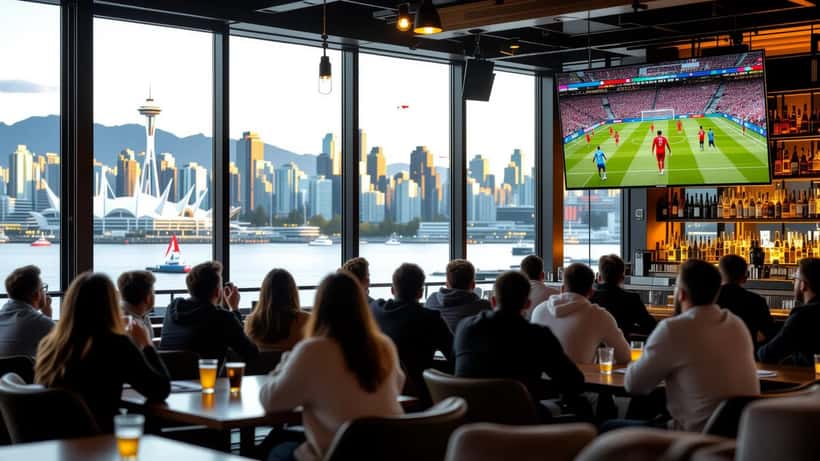
For businesses, the timing of a match has direct operational consequences. Bars, restaurants, and licensed venues must align staffing and alcohol service hours with local regulations, many of which vary by province and municipality. A 9:00 a.m. Vancouver kickoff may conflict with standard breakfast-service licenses, while a 9:00 p.m. Toronto start could extend past last-call restrictions in some jurisdictions. Event planners and hospitality operators are increasingly consulting with licensing experts and municipal-law specialists to ensure watch parties, pop-up screenings, and public gatherings comply with permits, occupancy limits, and noise bylaws.
Broadcasters and digital publishers face their own timing puzzle. Rights holders must publish accurate schedules that account for daylight saving transitions, regional blackouts, and simultaneous matches. A single error in a kickoff time can trigger viewer complaints, advertising make-goods, and even contractual disputes. Media-law and sports-rights consultants can help rights holders audit their program guides, draft viewer-facing disclaimers, and negotiate clarity in distribution agreements. The 2026 World Cup will be the first 48-team tournament, so historical precedent is thin; careful legal and operational review will be essential.
The question also matters for employers. Major international tournaments routinely disrupt workplace productivity and attendance. Some organizations adopt flexible hours or remote-work policies during the group stage, while others enforce standard schedules and risk unauthorized streaming on corporate networks. Employment-law advisors can help companies draft balanced policies that respect both operational needs and employee morale, reducing the risk of discrimination claims or policy inconsistency.
For individual fans, the simplest way to answer “what time is the FIFA game today?” is to consult the official 2026 FIFA World Cup Schedule and convert kickoffs to your local time zone. Broadcast partners will also publish daily listings closer to the tournament. If you are traveling to a host city, remember that ticket times are printed in local venue time, which may differ from your home broadcast. Arriving early is wise, because security, transit, and fan-zone queues can add significant time on match days.
Specific fixtures will also shape daily viewing plans. High-profile group-stage matches, such as a potential England vs Croatia showdown, will dominate prime broadcast windows and drive demand for reservations at sports bars. Similarly, matches like Ecuador vs Saudi Arabia illustrate how squad rotation and player fatigue can influence both on-field results and fan expectations. Keeping an eye on team news, travel schedules, and venue conditions will help viewers make informed plans.
Technology can help, but it is not foolproof. Calendar subscriptions, mobile apps, and smart-home reminders can convert kickoff times automatically, yet they depend on accurate source data and correct time-zone settings. Fans should verify against FIFA’s official channels, especially during the knockout rounds when fixture times depend on the results of earlier matches. Businesses that rely on automated scheduling tools should test them well before the tournament and have a manual backup plan.
From a legal and commercial perspective, the 2026 World Cup also highlights the importance of clear contracts. Venues hosting public screenings must secure the appropriate commercial broadcast license; showing a match to a paying crowd using a residential subscription can violate rights agreements. Merchandise vendors, caterers, and pop-up operators need permits for temporary structures, alcohol service, and amplified sound. Consulting with a lawyer who understands sports-event licensing can prevent costly shutdowns or fines.
As the tournament approaches, the daily rhythm of “what time is the FIFA game today?” will become a national refrain. Whether you are a casual viewer, a hospitality operator, or a corporate planner, the answer will shape how you watch, work, and celebrate. By checking official schedules, converting to local time, and securing the right permits and policies in advance, Canadians can turn scheduling complexity into a smooth, enjoyable World Cup experience.
