 Megan Thériault
England vs Croatia: What to Expect from the 2026 FIFA World Cup Clash
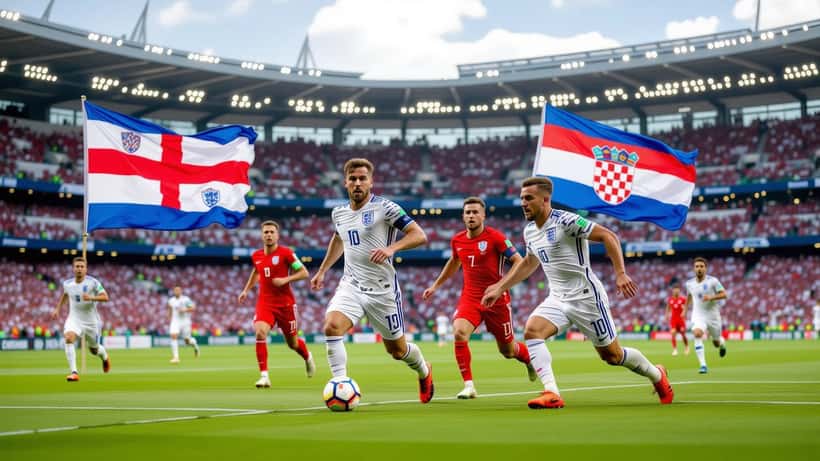
When England and Croatia meet at the 2026 FIFA World Cup on 18 June, the fixture will carry more than three points. It will revive one of international football’s most compelling modern rivalries, pitting England’s youthful depth against Croatia’s battle-hardened experience in a tournament co-hosted across Canada, the United States and Mexico. For Canadian fans and businesses, the match is also a reminder of how major sporting events create demand for specialised expertise—from logistics and fan engagement to sports medicine and data analytics.
This article breaks down the on-field story and the off-field ecosystem that makes a World Cup match like England vs Croatia a global operation.
A rivalry with recent history
England and Croatia have produced unforgettable moments in recent tournaments. In 2018, Croatia defeated England in the World Cup semi-final in Moscow, ending the Three Lions’ hopes of a first final since 1966. Two years later, England gained partial revenge by beating Croatia 1-0 in the opening match of Euro 2020 at Wembley. The teams also clashed in the UEFA Nations League, where England produced a dramatic late comeback to win 2-1 and top their group.
The 2026 group-stage meeting adds another chapter. Both squads arrive with different profiles. England boast one of the deepest talent pools in the tournament, with players developed in the Premier League and competing at the highest club level in Europe. Croatia, meanwhile, continue to rely on the remnants of a golden generation that reached back-to-back World Cup semi-finals and finals, even as a younger core gradually takes over.
The tactical contrast will be fascinating. England’s preferred high-tempo, physically imposing style could test Croatia’s possession-based approach and veteran midfield. Set pieces, transitions and individual battles in wide areas are likely to decide the outcome.
What the fixture means for Canadian audiences
For Canadian spectators, the 2026 World Cup represents a rare chance to host and witness elite international football on home soil. Matches involving traditional European powers tend to sell out quickly, drive travel demand and create economic ripple effects in host cities. Businesses ranging from hotels and restaurants to transportation and merchandise vendors prepare months in advance.
The experience is not always smooth. Weather delays, ticketing disputes, crowd control and travel disruptions can turn a showcase event into a logistical headache. Canadian fans have already seen how quickly conditions can change during the tournament, as discussed in our coverage of the England vs Costa Rica storm delay and fan rights. Understanding your rights as a ticket holder, your refund options and your travel insurance coverage is essential when investing in a World Cup trip.
Player fatigue and the science of recovery
A World Cup spread across three large countries places unusual physical demands on players. Long-haul flights, changing time zones, varying climates and a compressed schedule all affect performance and injury risk. Teams that manage recovery effectively often outperform more talented squads that ignore the details.
Sports scientists, physiotherapists and nutritionists now play central roles in tournament preparation. Sleep protocols, hydration strategies, cryotherapy, load monitoring and tailored travel schedules can mean the difference between a fresh squad in the knockout rounds and a depleted one. The importance of sports medicine at major tournaments is clear from our analysis of how Ecuador managed to win without key players Hincapié and Pacho, highlighting how injury management shapes results even before kick-off.
For England and Croatia, the scheduling around 18 June will be critical. Both teams will likely open their campaigns earlier in the group stage, leaving limited recovery time. Coaches must rotate carefully, manage minutes for ageing stars and keep younger players sharp without overloading them.
The expert angle: running a world-class event
Behind every 90-minute match lies months of planning. Stadium operations teams coordinate security, broadcasting, hospitality and medical services. Transport planners manage fan flows between airports, hotels and venues. Digital teams monitor social media, cyber security and real-time fan communication. Marketing agencies craft campaigns that resonate across languages and cultures.
Major tournaments also generate complex legal and commercial questions. Broadcast rights, sponsorship activation, hospitality contracts, immigration rules for staff and accreditation procedures all require specialist advice. A single oversight in any of these areas can derail a campaign or expose an organisation to liability.
This is where expert consultation becomes indispensable. A sports event consultant can model crowd movement and identify bottlenecks before they become dangerous. A travel risk advisor can design itineraries that minimise jet lag and disruption. A sports lawyer can review vendor contracts and protect a brand’s intellectual property. A data analyst can forecast demand and optimise pricing. These professionals do not appear on the pitch, but their work shapes what fans see and experience.
How Expert Zoom supports the sports ecosystem
At Expert Zoom, we connect organisations and individuals with the specialists who make complex projects succeed. Whether you are a host-city contractor preparing for World Cup visitors, a broadcaster negotiating rights, a travel operator designing fan packages or a sports medicine professional supporting athletes, our marketplace helps you find verified expertise quickly.
The England vs Croatia match in 2026 is not just a sporting contest. It is a case study in logistics, medicine, law, analytics and fan experience. Every stakeholder—from the stadium caterer to the national team doctor—benefits from access to proven advisors who have worked in high-pressure environments before.
Predictions and talking points
Analysts are divided on the likely outcome. England’s squad depth and athleticism make them favourites on paper, but Croatia’s tournament pedigree and midfield intelligence give them a puncher’s chance. Key questions include whether England can break down a compact Croatian defence, whether Croatia’s veterans can withstand England’s pressing, and which goalkeeper makes the decisive save.
Beyond the result, the match will influence the broader narrative of the tournament. A strong England performance would reinforce their status as contenders. A Croatian upset would signal that the golden generation still has one more memorable run left. Either way, the tactical and emotional stakes will be high.
Conclusion
England vs Croatia at the 2026 FIFA World Cup is more than a group-stage fixture. It is a collision of history, talent and preparation on one of sport’s biggest stages. For Canadian audiences and businesses, it is also an opportunity to see how expertise across multiple disciplines comes together to deliver a world-class event.
Whether you are planning a trip, covering the tournament professionally or managing a sports-related project, Expert Zoom can put you in touch with the specialists who turn ambition into execution. Because when the world is watching, the margin between success and failure is often decided long before the first whistle.
