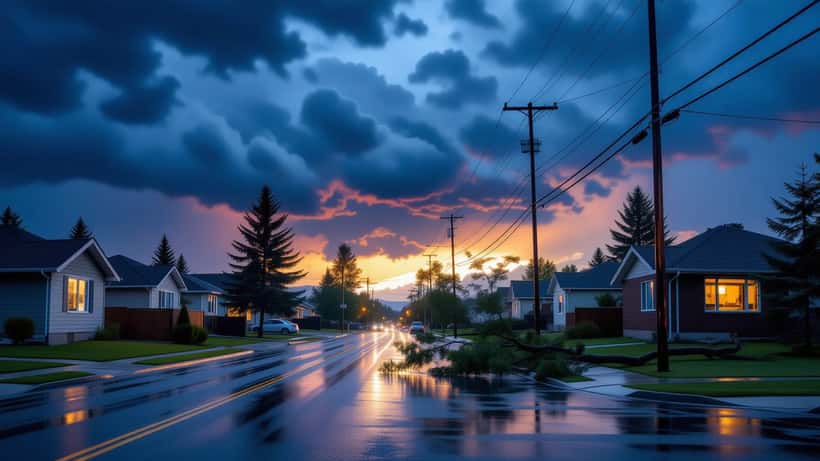
A powerful summer storm swept through Edmonton in July 2026, knocking out electricity for thousands of households across the capital region. Downed trees, damaged transformers, and flash flooding turned an ordinary evening into a long night of blackouts, spoiled food, and safety worries for families from St. Albert to Sherwood Park. While utility crews work around the clock to restore power, homeowners still need clear guidance on staying safe during extended outages and spotting hidden electrical hazards once the lights come back on.
Power outages are more than an inconvenience. They can mask risks such as damaged wiring, contaminated water, and unsafe generator use. In the aftermath of the Edmonton storm, the most important first step is to protect people, then property, and to know when a licensed professional should take over. This guide draws on expertise from home-safety specialists, electricians, and disaster-response professionals to help residents respond calmly and correctly.
What to Do in the First Hour of a Blackout
When the power cuts out, confirm whether the outage is limited to your home or affects the wider neighborhood. Check your breaker panel for a tripped switch, look outside for streetlights, and report a neighborhood outage to your utility provider. Avoid opening your refrigerator or freezer more than necessary: a full freezer can keep food safely frozen for up to 48 hours if the door stays closed, while a refrigerator stays cold for roughly four hours.
Use battery-powered lights or flashlights instead of candles, which are a leading cause of house fires during outages. Keep phones charged with portable battery packs, and unplug sensitive electronics to protect them from voltage spikes when power returns. If you rely on medical devices, contact your device supplier or local emergency services to confirm backup-power options.
Generator and Carbon-Monoxide Safety
Portable generators can keep essentials running, but they must be used outdoors, at least 20 feet from windows, doors, and vents, with exhaust pointed away from the house. Never operate a generator in a garage, basement, or attached shed, even with doors open. Carbon monoxide is odorless and can build up to lethal levels within minutes.
Only use extension cords rated for the generator’s output, and never plug a generator directly into a wall outlet unless a licensed electrician has installed a transfer switch. Back-feeding power into the grid endangers line workers and can damage your home’s electrical system. For a deeper look at preparing your property for severe conditions, see our guide on Severe Weather in Canada: Expert Home Safety Tips.
After the Storm: Inspecting Your Home
Once the storm passes and power begins to return, resist the urge to flip every switch at once. Walk through your home and look for warning signs: outlets that feel warm, burn marks around switches, buzzing sounds from the panel, appliances that no longer turn on, or water near electrical devices. If you notice any of these, turn off the main breaker and call a licensed electrician before using major appliances.
Outdoor inspections matter too. Check for downed power lines, damaged weatherheads where utility cables enter the house, and standing water in basements or crawl spaces. If a power line is down, stay at least 35 feet away and report it immediately. Do not attempt to remove tree branches leaning on lines yourself.
Flooding often follows intense storms, and water damage can hide behind drywall and flooring. Our checklist for Edmonton Flooding June 2026: 5 Home Damage Checks explains what to document before you start cleanup and why a certified contractor should assess structural damage.
When to Call an Expert
Some repairs are straightforward, but electrical and structural issues after a storm rarely are. Contact a licensed electrician if you suspect panel damage, need a generator transfer switch, or see signs of overheating. A qualified home inspector or structural engineer can identify roof damage, foundation cracks, or compromised load-bearing walls that may not be visible from the street.
Insurance documentation is another area where expert help pays off. Take time-stamped photos and videos of all damage before cleanup, keep receipts for emergency repairs and temporary lodging, and request a written estimate from licensed contractors. If your claim is complex or disputed, a public adjuster or legal professional with insurance experience can help you understand your policy and advocate for a fair settlement. For context on how new alert systems affect coverage and claims, read our overview of Canada’s New Orange Watch System: What Homeowners Should Know.
Building a Resilience Plan for the Next Storm
The 2026 Edmonton storm is a reminder that severe weather is becoming more common across the Prairies. A small amount of preparation now can prevent costly repairs later. Start by assembling an emergency kit with flashlights, batteries, a first-aid kit, bottled water, non-perishable food, medications, and copies of important documents. Consider installing a surge protector at your electrical panel and trimming trees near power lines on your property.
If you live in an area prone to outages, ask an electrician whether a standby generator or battery backup system makes sense for your home. Smart-home monitoring can also alert you to temperature drops, water leaks, or power failures while you are away. These upgrades not only protect your family but can also reduce insurance premiums and increase resale value.
Conclusion
Recovering from the Edmonton storm will take time, but the right actions today can prevent bigger problems tomorrow. Stay safe during blackouts, inspect your home carefully once power returns, and do not hesitate to bring in licensed experts for electrical, structural, or insurance concerns. When severe weather strikes, professional advice is one of the best investments a homeowner can make.
