 Patrick Roy
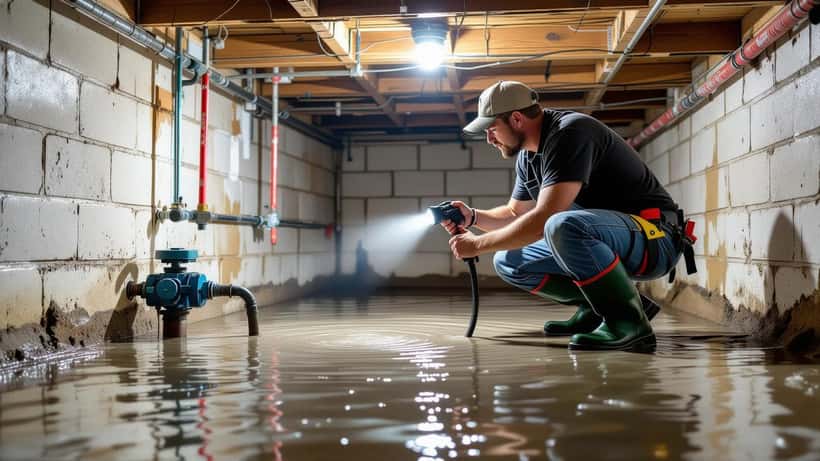
Edmonton received over 100 millimetres of rain in less than 24 hours on June 21, 2026, triggering a City of Edmonton water supply alert and generating more than 600 emergency calls to EPCOR. If your home sustained water damage, knowing exactly what to check before a contractor arrives can save you thousands of dollars — and prevent long-term structural problems that become far more expensive to fix.
Why Acting Fast After a Flood Matters
When water enters a home — through basement drains, foundation cracks, or an overloaded stormwater system — the clock starts immediately. According to Health Canada, mould can begin colonizing damp surfaces within 24 to 48 hours. Structural materials like drywall, insulation, and wood framing absorb moisture quickly and begin to degrade if not addressed promptly.
The June 21 flooding in Edmonton was caused by a stormwater network overwhelmed by rainfall that exceeded 100 mm in under 24 hours, pushing water into basement drains and low-lying properties across the city. EPCOR, Edmonton's public utility, received more than 600 calls from residents reporting pooling and basement flooding — their highest single-day flood response volume in recent memory.
For previous guidance on protecting your home during extreme weather events, see our article on spring flooding and what Canadian homeowners must do.
1. Assess How Water Entered Your Basement
The first step is to determine the pathway water used to enter your home — because the remediation approach differs significantly depending on the source.
- Stormwater entry (through window wells, foundation cracks, or weeping tile): Water is usually clear or slightly murky
- Sewer backup (through floor drains or toilets): Darker water that may contain sewage and requires biohazard handling
Do not enter a flooded basement if electrical panels, outlets, or appliances are submerged. Turn off the main electrical breaker from a dry location first. Sewer backup water is a biohazard — wear gloves and rubber boots, and keep children and pets out of the area entirely.
EPCOR's official guidance recommends photographing all visible damage before removing any standing water. This documentation is essential for insurance claims and contractor assessments.
2. Inspect Your Foundation Walls and Floor
Once standing water is cleared, examine your foundation carefully. Run your hand along interior concrete or block walls and look for:
- Active seepage — water visibly pushing through cracks or mortar joints
- Efflorescence — white chalky deposits indicating long-term water movement
- Horizontal cracks — a serious sign of lateral soil pressure that requires immediate structural evaluation
- Fresh cracks that appeared specifically after the flooding event
Vertical hairline cracks are common in poured concrete foundations and generally less urgent, but should be monitored and sealed. Horizontal cracks are a red flag: do not proceed with other repairs until a licensed structural contractor has assessed the wall.
3. Test Your Sump Pump and Backwater Valve
Edmonton's June 2026 flooding overwhelmed many residential sump pumps that ran continuously for hours. After the water recedes, verify your sump pump:
- Is still operational (pour a bucket of water into the pit and confirm it activates)
- Has a functioning check valve preventing water from draining back into the pit
- Discharges water away from your foundation, not toward it
Alberta's building code requires all new residential construction to include a backwater valve — a device that prevents sewage from backing up through your floor drains during stormwater surges. If your home was built before 2009, you may not have one. The City of Edmonton has historically offered rebate programs to help homeowners install these devices; check with the city's drainage services office for current program availability.
4. Identify Mould Risk Before It Spreads
Mould develops within 24 to 48 hours on wet porous surfaces. After water removal, identify every material that remained wet for more than a few hours:
- Drywall that absorbed water at its base must almost always be replaced — it cannot be reliably dried in place without mould forming behind it
- Fibreglass batt insulation in flooded wall cavities traps moisture and must be removed entirely
- Carpet and underpadding in any flooded area should be removed and discarded, not dried and re-used
- Wood subfloor and joists should be dried using industrial fans and dehumidifiers, but monitored closely for warping and dark discolouration
The professional standard for flood-damaged drywall is removal to at least 50 cm above the visible waterline. Do not simply dry the wall surface and paint over it — hidden mould between the drywall and vapour barrier will cause serious air quality issues and may void your homeowner's insurance.
5. Document Everything Before Work Begins
Thorough documentation before a contractor starts work protects your insurance claim and gives repair professionals the context they need to provide accurate quotes.
- Photograph every affected room from multiple angles, clearly showing waterlines, damaged materials, and impacted appliances
- List all damaged items with approximate age and estimated replacement value
- Keep all receipts from emergency purchases — dehumidifiers, shop vacuums, safety equipment, and temporary accommodations if the home was uninhabitable
- Note exact times when water entered and when it was removed
- Contact your home insurer before demolition begins — most Alberta home insurance policies require an adjuster to inspect the damage before significant demolition or repair work starts
Alberta's Insurance Act requires insurers to handle claims in good faith and within a reasonable timeframe. Documenting everything from day one prevents disputes about whether damage was pre-existing or caused by the flooding event.
When to Call a Licensed Contractor
Some post-flood tasks are manageable for homeowners: removing wet carpet, running dehumidifiers, drying out minor water intrusion near doors and windows. But a licensed contractor is essential when you encounter:
- Any horizontal foundation crack — requires a structural engineer's assessment before repair
- Persistent sewer odour after cleanup — indicates contamination requiring professional biohazard remediation
- Any electrical damage — requires a licensed electrician and Alberta Safety Codes inspection before power is restored
- Mould visible across more than 1 square metre — at this scale, Health Canada recommends professional remediation rather than DIY cleanup
- Structural concerns — sagging floors, doors that no longer close correctly, or new ceiling cracks
If you are unsure whether your damage falls into DIY or professional territory, a consultation with a licensed home improvement specialist can help you prioritize repairs and budget accurately. On ExpertZoom, you can connect with verified home improvement professionals across Alberta who assess flood damage, provide written estimates, and help you sequence repairs correctly — so you address the most urgent issues first.
For further guidance on home protection during Alberta emergencies, EPCOR's official Flood Prevention at Home resource provides step-by-step guidance on sump pumps, backwater valves, and post-flood inspection checklists.
This article provides general information only and does not constitute professional construction, engineering, or legal advice. Consult a licensed Alberta contractor for an assessment specific to your property.
