 Nathalie Dubois
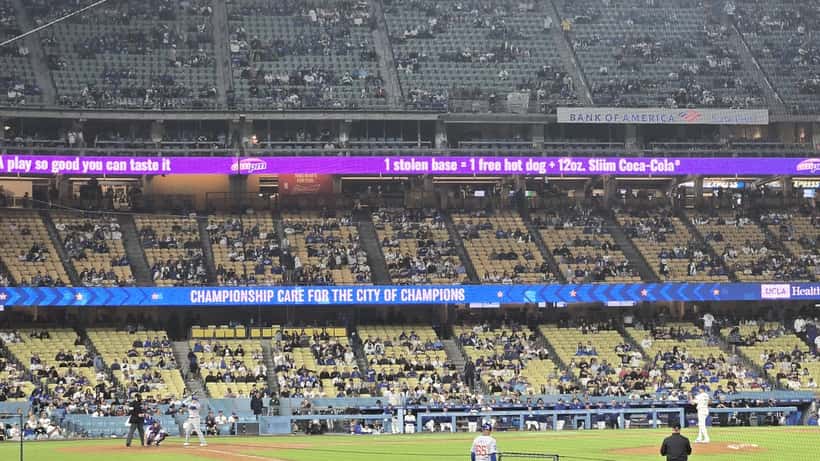
The Los Angeles Dodgers restructured infielder Santiago Espinal's contract on May 13, 2026, using a little-known provision that caught MLB observers' attention: an advance consent clause permitting the team to release Espinal within the first 45 days of his one-year, $2.5 million deal without owing the balance of his salary, according to reporting by The Athletic's Katie Woo. The move — timed to the return of Mookie Betts from a five-week oblique injury — exposed a contractual mechanism that many fans, and even some athletes, rarely scrutinize until it directly affects them.
For Canadian athletes competing at professional levels, whether in baseball, hockey, football, or basketball, understanding these clauses is not just for agents and lawyers. It is a career protection issue.
What Is a Release Clause in a Professional Sports Contract?
A release clause (sometimes called an advance consent clause in MLB parlance) is a contractual provision that allows one party — typically the team or organization — to terminate the agreement under specified conditions without full financial liability. In Espinal's case, the Dodgers had 45 days from the contract signing date during which they could release him without paying the remaining guaranteed salary.
These clauses are not unique to MLB. Comparable provisions appear in CHL and AHL development contracts, CFL player agreements, and various European leagues where Canadian athletes compete. They may be labelled differently — "opt-out windows," "buyout provisions," or "mutual option clauses" — but their effect is broadly similar: they limit how much of a contract is truly guaranteed.
The critical detail in Espinal's situation is that the Dodgers restructured the clause, extending the window rather than letting it expire. This gave the team more flexibility and Espinal more uncertainty, even as his performance on the field — filling in admirably for injured veterans — warranted roster security.
Why These Clauses Matter to Canadian Athletes
Canada produces a disproportionately high number of professional athletes relative to its population, particularly in hockey, baseball, and basketball. Many of these athletes sign their first professional contracts while still teenagers, often with limited understanding of the fine print their agents negotiate on their behalf.
According to Employment and Social Development Canada, standard employment protections — including minimum notice periods and severance entitlements — do not typically apply to professional athletes in the same way they apply to other workers. Sports contracts fall under a specialized legal framework that varies by sport, league, and jurisdiction. This creates a significant information gap for athletes who assume they are covered by the same labor protections as most Canadian employees.
In practice, this means that a Canadian athlete who signs a one-year deal with a release clause can find themselves without income in a matter of weeks, despite believing they had secured financial stability for the season.
4 Things Every Athlete Should Know Before Signing
1. Identify whether your contract has guaranteed money. Not all contracts are created equal. "Guaranteed" compensation means the team owes you that money regardless of whether they release you. Non-guaranteed deals — or deals with release windows — mean your total compensation is conditional. Always clarify in writing what portion, if any, of your salary is fully guaranteed before the ink dries.
2. Understand option windows and their timelines. The advance consent clause in MLB contracts is time-limited: once the window expires, releasing a player becomes significantly more costly for the team. Athletes and their representatives should know exactly when these windows open and close — and what leverage that creates for both sides.
3. Know what restructuring means. As the Espinal case illustrates, contracts can be restructured after the fact, sometimes to the athlete's disadvantage. Any modification to a signed agreement should be reviewed by a sports lawyer before the athlete consents. Restructuring can reset timelines, alter payment schedules, or change performance incentives in ways that are not immediately obvious.
4. Trade kickers and no-trade clauses are not default. While major stars can negotiate protections against being traded or designated for assignment, most athletes — especially those on roster fringe or developmental deals — have no such safeguards. Understanding what happens to your contract if you are traded, loaned, or optioned is essential to managing your career expectations and financial planning.
The Broader Picture for Canadian Sport
The Espinal situation is, in many ways, a minor transaction in the context of a Major League Baseball season. The Dodgers, at 24-17, are navigating roster management with a depth chart complicated by injuries and call-up options. But the mechanisms at play — release windows, restructured terms, designated for assignment procedures — mirror the decisions that shape thousands of lower-profile athlete careers across every professional league in Canada and beyond.
Similar dynamics played out recently in other sports: Neymar's Santos teammate Robinho Jr. case highlighted what athletes can and cannot expect from institutional protection when contractual relationships break down, underscoring the need for proactive legal advice rather than reactive crisis management.
When to Consult a Sports Lawyer
Many athletes assume their agent handles all legal matters — but agents and lawyers serve different functions. An agent negotiates deal terms; a lawyer ensures those terms are legally sound, enforceable, and aligned with applicable labor standards. The following situations warrant independent legal advice from a sports or employment law specialist:
- Before signing any professional contract, regardless of level
- When a contract restructuring or amendment is proposed
- When you are designated for assignment, optioned, or placed on waivers
- When performance bonuses or incentives are in dispute
- When your team is sold, relocated, or dissolved
Expert Zoom connects Canadian athletes and sports professionals with licensed legal experts — including contract law specialists and employment lawyers — who understand the specific demands of professional sport. A single consultation can clarify rights that could protect years of career investment.
Disclaimer: This article is for informational purposes only and does not constitute legal advice. Athletes should consult a qualified legal professional regarding their specific contract circumstances.
