 Willow Bergeron
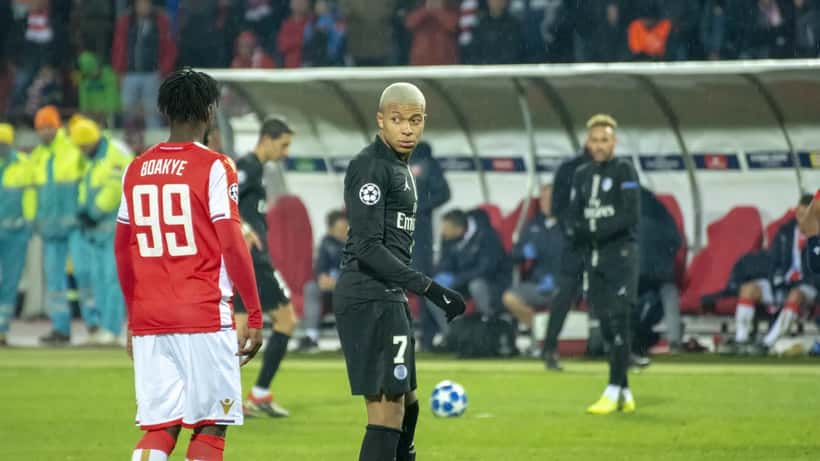
Real Madrid walked into the April 24, 2026 LaLiga fixture against Real Betis without Kylian Mbappé, Rodrygo, Vinicius Jr., Thibaut Courtois, Eder Militão, and at least two other first-team players. The cause was not a selection dispute or a rest rotation — it was injuries. Mbappé sustained a left knee sprain that his club is managing conservatively. Rodrygo suffered a severe ACL and meniscus tear that will sideline him for six months or more.
For a club carrying a wage bill that ranks among the highest in global sport, this concentration of injury among the highest-paid players raises a question that extends well beyond professional football: when an athlete is injured on the job, who bears the financial and legal risk?
The Numbers Behind Professional Sports Injury
Professional sports contracts in elite European football routinely include injury clauses — provisions that govern what happens to a player's salary, a club's financial obligations, and potential insurance payouts when a player cannot perform due to injury. Rodrygo's ACL tear alone removes a player with an estimated market value of over €100 million from competition for the remainder of the season.
Clubs at this level carry specialized sports insurance policies, sometimes called loss-of-value or loss-of-playing-time coverage, that protect them against extended absences due to injury. These policies typically cover a percentage of the player's wages during the injury period and, in some cases, provide payouts if a career-ending injury permanently reduces a player's transfer value.
What most Canadian athletes — and most people who manage or employ them — do not know is that variations of these protections exist at every level of organized sport, from professional leagues to university programs to amateur clubs. And most are either under-utilized or poorly structured.
What This Means for Canadian Athletes and Sports Organizations
Canadian sport law is governed by a patchwork of federal and provincial legislation, standard-form contracts issued by national governing bodies, and individual agreements negotiated by athletes with varying levels of legal representation. The result is that injury liability and insurance obligations are frequently misunderstood by the athletes themselves.
At the amateur level, a hockey player competing in a provincial league, a recreational soccer player registered with a provincial association, or a martial arts athlete competing in a sanctioned event all participate under insurance frameworks that cover some injuries but not others. Understanding what your league or governing body's liability coverage actually includes — and what it excludes — is not straightforward.
The key questions a sports lawyer can help you answer include: Does the league's liability coverage extend to injuries sustained during practice as well as competition? What happens if you sustain an injury that results in permanent impairment — does your provincial workers' compensation framework apply if you are classified as an amateur? If you are a semi-professional athlete receiving a stipend, does that change your legal status and your access to benefits?
For professional and semi-professional athletes in Canada, contract language around injury is equally important. A poorly drafted clause can mean that a knee injury sustained during a club activity is treated differently from one sustained during national team training — with significant consequences for who pays for treatment and income replacement.
Disability Insurance: The Gap Most Athletes Don't Know About
Mbappé's knee sprain, described as conservative recovery without surgery, will keep him sidelined for weeks. For a recreational athlete in Canada, the equivalent injury — a moderate ligament sprain requiring physiotherapy and rest — typically takes three to six weeks to resolve. If that athlete is self-employed or on contract, they may have no income during that period.
Standard disability insurance policies offered through most Canadian employers and group benefit plans exclude injuries classified as sports-related, particularly for recreational activities deemed high-risk. That exclusion is not prominently advertised. Most people discover it when they file a claim.
Individual disability income policies are available through licensed insurance advisers and can be structured to cover income loss from sports injuries. A financial and legal adviser with experience in sports and disability coverage can help athletes — professional, semi-professional, and serious amateurs — understand what coverage they actually have and what gaps need to be addressed before an injury occurs.
When a Contract Clause Becomes a Legal Dispute
Real Madrid's injury management for Mbappé is being described as "conservative" — keeping him out of competition to avoid further damage rather than rushing his return. That decision involves medical judgment, but it also involves contractual judgment: what does his contract require in terms of availability, and what constitutes adequate reasonable care for a high-value employee?
At the Canadian amateur and semi-professional level, disputes over injury management are less common but do occur. Coaches who insist injured athletes compete, clubs that deny access to adequate physiotherapy, and organizations that pressure athletes to return prematurely can all create legal liability. A sports lawyer can advise athletes on their rights and organizations on their obligations before a dispute arises.
According to the Financial Consumer Agency of Canada, understanding the terms of insurance coverage is a foundational consumer right — and sports-related coverage is among the most frequently misunderstood categories in the country.
What a Sports Lawyer Can Do for You
Whether you are a competitive amateur, a semi-professional athlete, or someone who manages or employs athletes at any level, a lawyer with sports law experience can help you understand your actual legal position with respect to injury liability, insurance obligations, and contract language.
The gap between what athletes believe their coverage includes and what it actually covers is consistently wide. Mbappé's situation is a visible example of injury risk management at the highest level. The same principles — who is responsible, who pays, and what protections exist — apply to every organized sport in Canada.
Getting legal advice before an injury occurs is significantly less expensive than resolving a dispute afterward.
Legal disclaimer: This article provides general information about sports law and insurance concepts and does not constitute legal or financial advice. Consult a qualified lawyer or financial adviser for guidance specific to your situation.
