 Nathalie Dubois
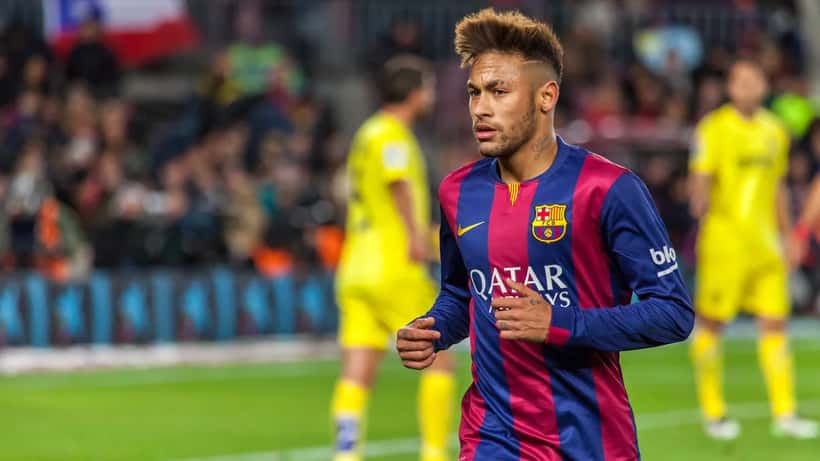
Brazilian football icon Neymar struck his 18-year-old Santos FC teammate Robinho Jr. during a club training session in early May 2026, triggering an internal investigation and casting fresh doubt over his place in Brazil's squad for the FIFA World Cup — which opens on Canadian soil on June 11, 2026. Neymar later apologized publicly, saying "I crossed the line," but the club's investigation remained open as of the Santos vs. Red Bull Bragantino match on May 10.
The incident has put sports employment law back in the spotlight. What happens legally when a professional athlete assaults a colleague at work? And what can Canadian employers — sports or otherwise — learn from how clubs like Santos FC handle these cases?
What Happened at Santos Training
According to Brazilian media reports published the week of May 6, 2026, Neymar became agitated after being dribbled past by Robinho Jr. — the son of former Real Madrid and Manchester City star Robinho — during a training exercise. Neymar struck the teenager and the episode was reported to Santos FC management. The 18-year-old formally accused his senior teammate of physical assault.
Santos FC opened an internal investigation. The club confirmed the process publicly and said it would be handled according to its internal disciplinary procedures. Within days, Neymar released a public statement apologizing and acknowledged the seriousness of his actions. During a subsequent Copa Sudamericana match, the two players were seen embracing after a goal, suggesting a personal reconciliation.
However, a public apology and a hug do not necessarily end an official investigation — and that distinction matters greatly under sports and employment law.
Conduct Clauses: The Legal Heart of Every Athlete Contract
Professional athletes sign contracts that contain far more than salary and performance terms. Standard sports contracts include conduct clauses — binding obligations that require athletes to maintain standards of behaviour both on and off the field, including during training sessions.
Conduct clauses typically allow clubs to:
- Formally suspend or fine a player pending an investigation
- Terminate a contract "for cause" if the conduct is severe enough
- Reduce bonus eligibility if the athlete is found to have violated behavioural standards
In Neymar's case, Santos initiated the internal process correctly by opening an investigation before drawing conclusions. This approach protects both the club and the accuser. It also puts Neymar in a legally ambiguous position: even with a reconciled relationship between the two players, the club's process must run its course independently.
Under Brazilian labour law, a physical assault by one employee against another — even in a workplace context like training — can constitute grounds for termination for just cause (justa causa). Whether Santos will apply this standard or handle it through internal discipline alone depends on the severity of the incident and the findings of their investigation.
The World Cup Stakes
Brazil's head coach Carlo Ancelotti is due to announce the final 26-man squad for the 2026 FIFA World Cup on May 18, 2026. Neymar, 34, has been named in a preliminary list but the Santos incident has been flagged as a factor in the final decision.
The 2026 World Cup runs from June 11 to July 19, with matches held across the United States, Canada, and Mexico. Toronto and Vancouver are among the Canadian host cities. For millions of Canadians who will attend or watch the tournament, the composition of Brazil's squad is more than a casual curiosity — it directly shapes the storylines of a tournament playing out on home soil.
FIFA's Disciplinary Code provides the regulatory framework for player conduct during international competitions, but national football associations and club contracts govern pre-tournament behavior. Ancelotti's discretion in squad selection, combined with the pending Santos investigation, creates a genuinely uncertain situation for Neymar heading into May 18.
What Canadian Employers Can Learn from the Santos Case
The Santos FC situation mirrors challenges that arise in any workplace — and Canadian employment law provides clear guidance on how to handle them properly.
Under the Canada Labour Code and provincial employment standards legislation, employers have a legal duty to investigate workplace violence and harassment complaints promptly and thoroughly. The Canadian Centre for Ethics in Sport has also developed robust frameworks for handling conduct issues in Canadian athletic organizations, many of which mirror the obligations placed on conventional employers.
Key obligations for Canadian employers facing a workplace assault complaint include:
Conduct an independent investigation. The investigation must be seen to be impartial. Allowing the employer or a direct supervisor to self-investigate a complaint they have a stake in violates procedural fairness.
Separate the parties during the process. Until findings are made, keeping the complainant and the accused working side-by-side can constitute a failure of the duty to provide a safe workplace.
Do not pre-judge the outcome. A public apology from the accused — however sincere — does not constitute a finding. Closing an investigation because the parties have reconciled personally can expose an employer to legal liability, particularly if the complainant later says they felt pressured.
Document everything. Every step of the investigation, every interview, and every decision point should be in writing. In Canadian employment litigation, documentation is the difference between a defensible termination and a costly wrongful dismissal claim.
When to Consult an Employment or Sports Lawyer
Whether you are an athlete whose conduct is under review, a club or sports organization navigating a complaint, or an employee who has experienced or witnessed workplace violence, the moment a formal investigation opens is the moment to seek legal advice.
Canada's sports industry is growing rapidly, especially with the 2026 World Cup bringing international attention to our cities. As professional leagues, youth academies, and amateur clubs expand, the legal standards that govern athlete employment are coming into sharper focus.
On Expert Zoom, you can consult with licensed Canadian employment and sports lawyers who understand both the technical requirements of the Canada Labour Code and the specific dynamics of athlete contracts. Speak with an expert from the comfort of your home, at a time that works for your schedule.
Disclaimer: This article is for informational purposes only and does not constitute legal advice. Please consult a licensed employment or sports lawyer for guidance specific to your situation.
