 Dave Campbell
Western Australia has been battered by one of its most significant storm seasons in years, with Cyclone Narelle delivering 62.8mm of rain to Perth and over 100mm to Mandurah on a single day in late March 2026 — breaking records set back in 2010. As weather experts warn that a strong El Niño is now 62% likely to emerge by mid-2026, Australian homeowners face a critical question: is your home ready for what's coming?
Perth's Record Rainfall Season: What Happened
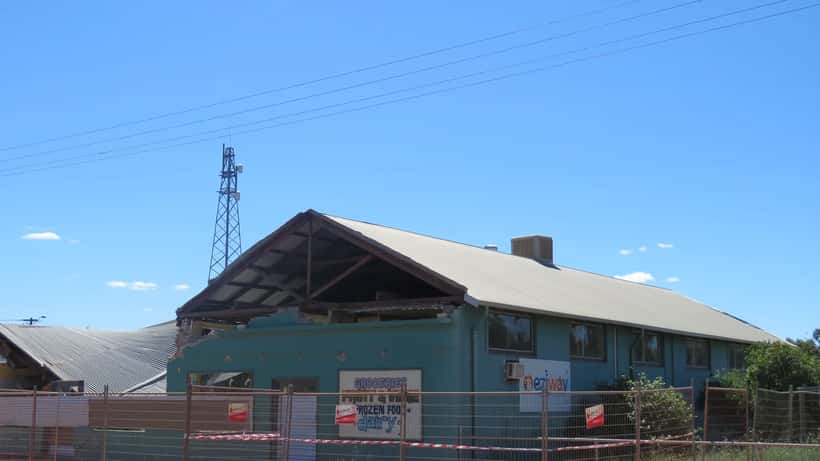
Tropical Cyclone Narelle made headlines in March 2026 when it reached Category 4 intensity, with wind speeds exceeding 250 km/h battering Exmouth — 1,250 km north of Perth. Roofs were lifted off houses, evacuation centres had roof sheets torn away, and widespread flooding struck coastal towns from Coral Bay to Kalbarri. By the time the system tracked southeast and its outer bands reached Perth on 28 March, the city recorded 62.8mm of rainfall in a single day, while Mandurah — just south of the capital — copped 102.8mm, causing minor flooding.
According to the Bureau of Meteorology, Perth can expect increasing frequency of intense rainfall events as climate patterns shift. With La Niña ending and ENSO-neutral conditions now in place, forecasters put a 62% probability on a significant El Niño developing between June and August 2026 — a pattern historically associated with extreme heat and drought across southern Australia, but also with fierce storm systems in the nation's north that eventually sweep down the coast.
The Hidden Damage Most Homeowners Miss
The most dangerous aspect of storm damage isn't always what you can see. Water intrusion following heavy rain events frequently hides inside walls, under flooring, and in roof cavities — and it can cause structural decay and mould growth for months before becoming visible.
Building inspection professionals report that approximately 40% of storm-related mould claims are denied by insurers when homeowners fail to document damage properly in the immediate aftermath. The first 48 hours after a storm are critical: water that sits in hidden cavities begins to breed mould within 24 to 48 hours, and remediation becomes exponentially more expensive once the problem spreads.
Common areas that require inspection after heavy rainfall include:
- Roof spaces and gutters — checking for cracked or displaced tiles, blocked downpipes, and debris accumulation
- External walls and render — hairline cracks allow water to penetrate slowly over weeks
- Subfloor zones — pooling under the house creates persistent damp that undermines foundations
- Electrical conduits — water near switchboards or outlets creates serious safety risks
- Window and door seals — failed silicone allows water to track through to internal framing
When to Call a Professional Building Inspector
Many homeowners attempt visual inspections themselves, but a trained building inspector brings equipment that can detect what the naked eye cannot. Thermal imaging cameras identify moisture trapped inside walls. Moisture meters quantify saturation levels and map the extent of water ingress. Drone surveys allow safe, detailed roof assessments without the danger of climbing on wet, damaged structures.
In the aftermath of Cyclone Narelle, professional inspectors across WA noted a surge in calls from homeowners whose properties appeared undamaged externally but had roof membranes compromised, allowing slow water entry. Moisture readings and thermal maps produced during an inspection also serve as critical documentation when lodging insurance claims — and according to building inspection firms, this kind of evidence increases claim approval rates by up to 73%.
If you notice any of the following after Perth's heavy rain events, it's time to book an inspection:
- Water stains on ceilings or upper walls
- Doors or windows that have begun sticking or warping
- Unusual musty smell in enclosed rooms
- Visible cracks that appeared after a rain event
- Dampness or condensation inside the home that wasn't there before
Preparing Your Home Before the Next Storm
With El Niño development increasingly likely and the northwest storm season extending further south than usual in recent years, preparation now is considerably cheaper than repair later. Australian building experts recommend a pre-season home audit covering:
Roof and guttering: Have your roof inspected and gutters cleared of debris before storm season. Blocked gutters are among the most common causes of water ingress during heavy rainfall. Ensure downpipes discharge away from your foundations.
Drainage and landscaping: Ground that slopes toward your home directs water toward the foundation. Regrading garden beds away from the house perimeter and installing adequate drainage channels can prevent subfloor flooding.
Seals and weatherstripping: Window and door seals degrade over time. Re-sealing with quality silicone every few years creates a weatherproof barrier that prevents the slow water tracking that causes internal framing rot.
Emergency supplies: The SES recommends every WA household keep a storm kit with tarps, sandbags, a battery-powered torch, first aid supplies, and emergency contacts. During Cyclone Narelle's impact on Exmouth, the speed of the system left little preparation time for residents — having materials on hand matters.
What a Tradesperson Can Do That You Cannot
Australia's building regulations require specific qualifications for structural assessments, roofing work, and electrical inspections. A qualified tradesperson doesn't just fix what's visible — they identify whether a repair meets current code standards, flag what might fail in the next storm event, and provide documentation that protects your insurance position.
If you're in Perth or anywhere in Western Australia, the storm season of 2026 is a timely reminder that professional home maintenance isn't a luxury — it's a financial strategy. A building inspection now, before the next system arrives, can save tens of thousands of dollars in preventable damage.
On Expert Zoom, you can connect with licensed building inspectors, roofers, plumbers, and tradespeople across Western Australia who can assess your property's storm readiness. Don't wait until water is already coming through the roof — by then, the most expensive clock in home ownership has already started ticking.
Find a local home improvement expert: Cold fronts and storms: what home professionals assess first
This article provides general home maintenance information. For structural safety concerns following storm damage, consult a licensed building inspector.
