 Emily Turner
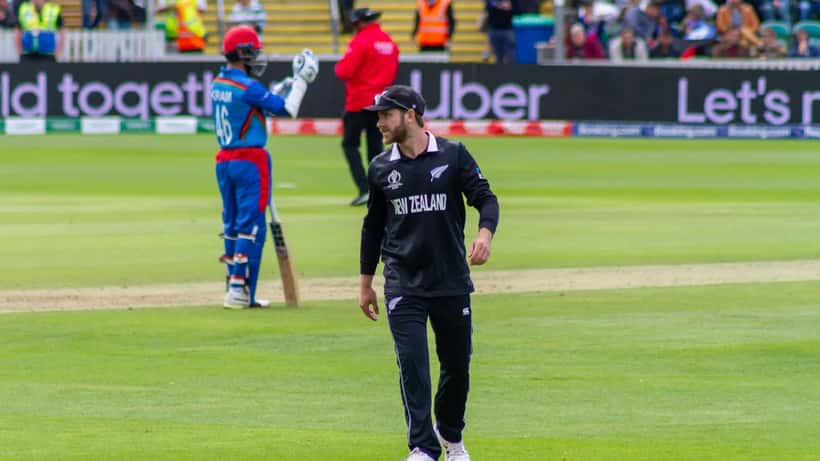
Kane Williamson announced his retirement from international cricket on June 12, 2026 — today — ending a 16-year career as New Zealand's greatest ever batter. At 35 years old, mid-tour in England, he walked away on his own terms with 19,346 international runs and 48 centuries to his name. His graceful exit raises a question that matters for every Australian cricketer, from club players to elite aspirants: what does elite-level sport do to the body, and when should you seek professional health advice?
A Career That Tested Human Physical Limits
Williamson's numbers are staggering. Across 16 years of international cricket, he accumulated 48 centuries — including six double-centuries — captained New Zealand to their inaugural World Test Championship title in 2021, and won the ICC Cricketer of the Year award in 2015 and ICC Test Player of the Year in 2019. He claimed a record four Sir Richard Hadlee Medals, cementing his status as his nation's finest cricketer.
Behind those numbers is an extraordinary physical toll. Elite male cricketers average more than 200 days of cricket per year when match play, training, and travel are combined. Over 16 years, that volume represents tens of thousands of hours of physical stress — cumulative loads that affect joints, tendons, the spine, and soft tissue in ways that compound silently until they don't.
Williamson cited wanting to leave on his own terms. That self-awareness — the ability to read your own body before it fails catastrophically — is increasingly recognised by sports medicine professionals as one of the most important skills an athlete can develop.
The Science of Athletic Wear Over Time
Elite cricketers face a specific injury profile shaped by their role. Fast bowlers accumulate repetitive spinal loads that can lead to stress fractures and lumbar deterioration. Batters develop asymmetric muscle patterns from years of one-sided hitting mechanics. Fielders sustain recurring shoulder, knee, and ankle soft tissue damage from quick lateral movements and diving stops.
Over a career as long as Williamson's, these individual stressors become cumulative. Cartilage thins. Tendons lose elasticity. Recovery from training loads takes progressively longer. A 35-year-old elite cricketer's musculoskeletal system reflects decades of high-demand use — something no single scan or test fully captures without clinical context.
According to the Australian Institute of Sport, systematic monitoring of athlete health markers — including load metrics, recovery data, and injury history — is essential to both performance and long-term wellbeing. AIS frameworks explicitly acknowledge that without proactive health management, elite athletes face elevated risk of serious injury in the years immediately following career peak.
Williamson's IPL commitments suggested he still intended to play franchise cricket. His decision to step away from international duties while maintaining professional fitness reflects exactly this kind of informed self-management.
What This Means for Australian Cricketers
Australia's cricketing culture runs deep. From backyard Tests to suburban club competitions, millions of Australians play the game well into middle age. For recreational and semi-elite players, the health lessons from professional careers like Williamson's are directly applicable — even if the volume is different.
Key signals that any Australian cricketer should take to a health professional include:
Persistent joint pain after play. Occasional soreness is normal. Pain that lingers beyond 48 hours after a game, or that appears during play in previously unaffected joints, warrants clinical assessment.
Declining recovery quality. If you are regularly exhausted after club matches that once felt routine, your body is telling you something has changed. Sleep disruption, fatigue that doesn't resolve with rest, and decreased motivation to train can all indicate overload.
Asymmetric movement patterns. Years of bowling or batting can create imbalances — one shoulder higher than the other, recurring pain on one side only — that a sports physiotherapist can identify and address before they cause structural damage.
Reduced range of motion. Stiffness in the hips, shoulders, or thoracic spine that wasn't present two seasons ago is worth investigating, not managing with pain relief alone.
These are issues that a sports medicine doctor, physiotherapist, or musculoskeletal specialist can assess systematically. Self-diagnosis and continued play through pain is how recreational injuries become chronic conditions.
The Post-Cricket Health Transition
Williamson's retirement will trigger a significant physiological shift. Elite athletes who stop competing face rapid changes: cardiovascular fitness declines, muscle mass reduces, and the metabolic patterns of years of training recalibrate. Without proactive management, this transition can be physically and psychologically difficult.
Research in sports medicine consistently shows that athletes who plan their transition — with structured exercise programs, nutritional guidance, and where needed psychological support — experience significantly better health outcomes than those who stop abruptly.
For Australian cricketers approaching the later stages of their playing career, the message is clear. Williamson knew when to stop. That knowledge came from 16 years of elite feedback about his own body. Most recreational players don't have access to the same monitoring systems — but they can access the same quality of professional advice.
When to Consult a Health Expert
Australian cricketers experiencing any of the symptoms above — persistent pain, fatigue, asymmetric movement, or recovery decline — should consult a qualified health professional. Sports medicine specialists, physiotherapists, and general practitioners with sports health experience can provide personalised assessment and a management plan that keeps you playing safely for longer.
Williamson's legacy isn't just 19,346 runs. It's the example of a professional who understood that athletic longevity requires professional knowledge — and acted on it before the decision was made for him.
ExpertZoom connects Australians with qualified health professionals who specialise in sports medicine and athlete wellbeing. For cricket-related injuries, recovery planning, or a pre-season health check, speaking to an expert is the smartest first move you can make.
For more on how Australian cricketers are managing sports injuries and career transitions, see our coverage of Cameron Green's back injury and recovery and Harshit Rana's return from knee injury.
This article provides general health information and does not constitute medical advice. Consult a qualified health professional for personalised guidance on sports injuries or health management.
