 Chloe Wilson
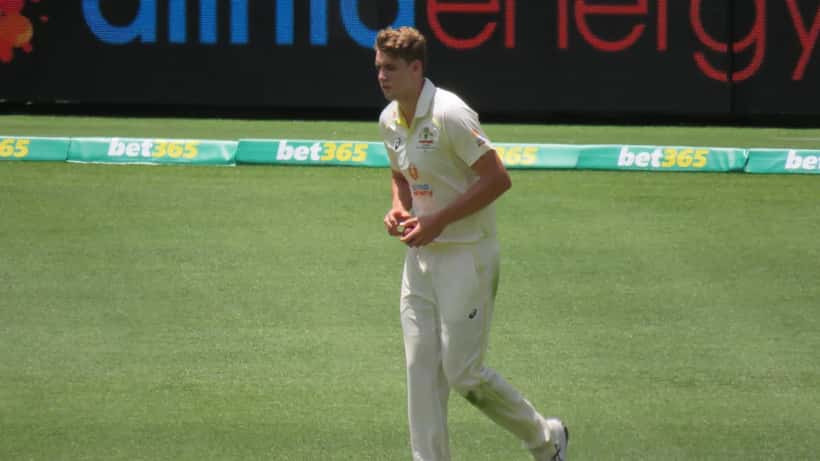
Cricket Australia confirmed in mid-April 2026 that Cameron Green had sustained a lower-back injury requiring him to abstain from bowling, even as the IPL's most expensive overseas signing delivered a stunning 79 off 55 balls for Kolkata Knight Riders against Gujarat Titans on 17 April. His story is one every Australian cricketer — from elite to backyard — should understand.
A ₹25 Crore Investment, A Fragile Back
Green was purchased by KKR for ₹25.20 crores ahead of IPL 2026, making him the tournament's most expensive overseas player. The investment reflected his all-round value: a powerful top-order bat and a threatening pace-bowling option. But lower-back injuries have defined much of Green's recent career, and this latest episode has again put his bowling availability in question.
Cricket Australia issued a statement confirming: "Cameron has a lower-back injury, which is being managed, but requires him to abstain from bowling for a short period." KKR captain Ajinkya Rahane acknowledged the issue publicly after Green didn't bowl in the match against Gujarat Titans.
Despite the setback, Green batted magnificently. He scored 7 fours and 4 sixes in his 55-ball innings, initially working his way in before exploding in the final overs — completing his fifty in 34 balls after a more circumspect start. KKR posted 180 but Gujarat Titans won by 5 wickets. The match was memorable for another reason: Green struck a massive six that damaged the IPL's official Tata Sierra sponsor car on display.
Lower-Back Injuries in Cricket: Why They Keep Coming Back
Cricket is deceptively hard on the lumbar spine. Bowling, in particular, places the lower back under enormous repetitive stress. The bound and delivery stride involves a combination of spinal extension, lateral flexion, and rotation — a movement pattern that differs substantially between orthodox-action and mixed-action bowlers.
Green is a tall, right-arm fast bowler with a high release point. Like many tall pacers, his delivery action creates significant compression loading on the lumbar vertebrae and facet joints. For a bowler who has previously undergone back surgery, these risks are compounded.
Common lower-back injuries in cricket include:
Lumbar stress fractures (spondylolysis) Most prevalent in fast bowlers aged 15 to 25, spondylolysis occurs when repetitive hyperextension causes a stress fracture in the pars interarticularis of the lumbar vertebrae. This condition is one of the primary reasons junior fast bowlers in Australia are now subject to strict bowling load limits. The Cricket Australia Fast Bowling Workload Guidelines specify maximum deliveries per day, per week, and recovery intervals for developing bowlers.
Lumbar disc injuries The intervertebral discs between the lumbar vertebrae act as shock absorbers. Fast bowling compresses them repeatedly, and with ongoing load, the outer disc annulus can bulge or herniate — pressing on spinal nerve roots and causing radiating leg pain (sciatica), numbness, or weakness. Surgery, while sometimes necessary, is typically a last resort after conservative management.
Facet joint dysfunction Facet joints guide spinal movement and bear significant load during bowling. Repeated hyperextension can inflame these joints, producing localised back pain that is worse on extension and relief in a flexed position. Facet dysfunction is often managed with physiotherapy, anti-inflammatory medication, and activity modification.
Why Australian Amateur Cricketers Face the Same Risks
Elite players have bowling load management, on-site physiotherapists, and access to imaging at short notice. Most Australian cricketers playing suburban turf cricket or school competition do not. This creates a situation where the risk factors are similar — or worse — but the protective systems are absent.
The Australian Institute of Sport's data shows that lower-back injury is among the three most common injuries in cricket at all levels. Over-enthusiastic bowling spells, inappropriate return-to-play after a previous injury, and poor core conditioning are the leading contributors.
Warning signs that an Australian cricketer should see a doctor rather than "bowl through it" include:
- Back pain that worsens over the course of a spell, rather than warming up
- Pain that is present the morning after playing and takes more than an hour to ease
- Any referral of pain or tingling into the buttocks or legs
- Loss of power or control in the bowling action
- Back stiffness that limits normal daily activities like bending or sitting for extended periods
Early diagnosis matters enormously. A lumbar stress fracture caught before displacement can often be managed with a structured rest and rehabilitation programme. Left untreated, it can progress to a condition that requires surgical intervention and a much longer absence from the game.
Load Management: The Lesson Australia Has Learned From Its Elite
The introduction of bowling load guidelines by Cricket Australia in 2022 reflected decades of accumulated evidence about back injuries in fast bowlers. The data was clear: bowlers who exceeded recommended weekly delivery counts were significantly more likely to sustain lumbar stress fractures.
These guidelines apply formally to state and national programmes but carry strong recommendations for grassroots cricket. Junior coordinators and coaches at club level have increasingly adopted similar principles, recognising that a 16-year-old fast bowler who burns out at 19 represents a failure at the development stage.
For Cameron Green, the current rest period is short-term management — likely conservative treatment to settle an inflamed structure before returning to full training. For the amateur cricketer with persistent back pain, the approach should be similar: rest, assessment, and a graduated return rather than soldiering through.
According to Sports Medicine Australia, musculoskeletal conditions account for the largest share of sports injury presentations in Australian general practice. Cricketers, particularly bowlers, are disproportionately represented in the lower-back and shoulder categories.
What to Do If Your Back Hurts After Cricket
Any Australian cricketer with persistent lower-back pain lasting more than a week should consult a GP in the first instance. From there, referral pathways lead to physiotherapy, sports medicine, or orthopaedic review depending on what imaging and assessment reveals.
Imaging options range from X-ray (useful for spondylolysis detection) to MRI (essential for disc and nerve root assessment). Treatment depends on diagnosis but often involves a combination of activity modification, targeted strengthening, manual therapy, and a structured return-to-bowling programme.
Cameron Green's ability to bat brilliantly despite not bowling shows excellent professional management. Protecting your spinal health requires the same approach — assess early, treat methodically, and return when cleared.
Expert Zoom connects you with sports medicine doctors and physiotherapists across Australia who specialise in managing cricket injuries and helping athletes return safely to their sport.
This article is for general informational purposes and does not constitute medical advice. Consult a qualified health professional for any spinal or musculoskeletal symptoms.
