 David Kelly
TL;DR: A vehicle inspection in Australia assesses roadworthiness, safety systems, and compliance with state regulations. Whether you're buying a used car, transferring registration, or booking a pre-purchase check, understanding what inspectors look for — and how to prepare — can save you hundreds of dollars and serious safety risks.
What Is a Vehicle Inspection and Why Does It Matter in Australia?
A vehicle inspection is a systematic assessment of a vehicle's mechanical condition, safety systems, and compliance with Australian roadworthiness standards. In Australia, these checks are regulated at the state and territory level, which means the requirements, names, and mandatory intervals differ depending on where you live.
In New South Wales, the inspection is called a "Pink Slip" (e-Safety Check). In Victoria, it's part of the VicRoads roadworthiness certificate process. Queensland uses the Safety Certificate system, while Western Australia requires a Vehicle Inspection Certificate (VIC) for registration transfers.
The underlying goal across all jurisdictions is the same: ensure that every vehicle on Australian roads meets minimum safety standards to protect drivers, passengers, and other road users.
À retenir: In Australia, approximately 1 in 5 vehicles on the road has a safety defect that has not been repaired [Transport for NSW, 2024]. Regular vehicle inspections are the primary mechanism for detecting these issues before they cause accidents.
Types of Vehicle Inspections You'll Encounter in Australia
Australia's inspection system varies by purpose and jurisdiction. Understanding which type applies to your situation is the first step:
Roadworthiness Certificate (RWC) or Safety Certificate
Required when transferring vehicle ownership or re-registering a lapsed vehicle. The seller typically obtains this certificate before sale, though in some states (like WA), the buyer can arrange it. Issued by licensed inspection stations.
Pre-Purchase Inspection (PPI)
An independent mechanical assessment conducted before buying a used vehicle — this is not a government-mandated inspection, but it is arguably the most important one. A qualified mechanic examines the vehicle from bumper to bumper and reports on its actual condition, regardless of what the seller claims.
"A pre-purchase inspection is one of the best $200–$300 investments a car buyer can make," says a principal mechanic at a NRMA-authorised repair workshop in Sydney. "We regularly find issues worth $2,000–$8,000 that buyers had no idea about — structural rust, engine oil leaks, worn clutch plates."
Annual Registration Inspection
NSW and ACT require annual safety checks (Pink Slip) for vehicles over five years old. Other states roll the safety assessment into the registration renewal process rather than requiring a separate visit.
Post-Accident Inspection
After a collision or significant repair, a post-repair inspection verifies that the vehicle has been correctly restored to roadworthy condition. Insurance companies may require this for RACV, NRMA, or AAMI claims involving structural damage.
What Inspectors Check: The 8 Core Systems Assessed
A comprehensive vehicle inspection in Australia covers the following systems. Knowing what's examined helps you spot potential issues before the inspection date:
Brakes — Pad thickness, rotor condition, brake fluid level, handbrake function, and brake line integrity. This is the most critical safety system and the most common source of inspection failures.
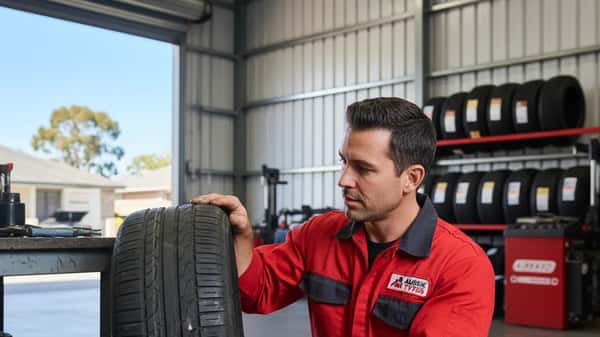
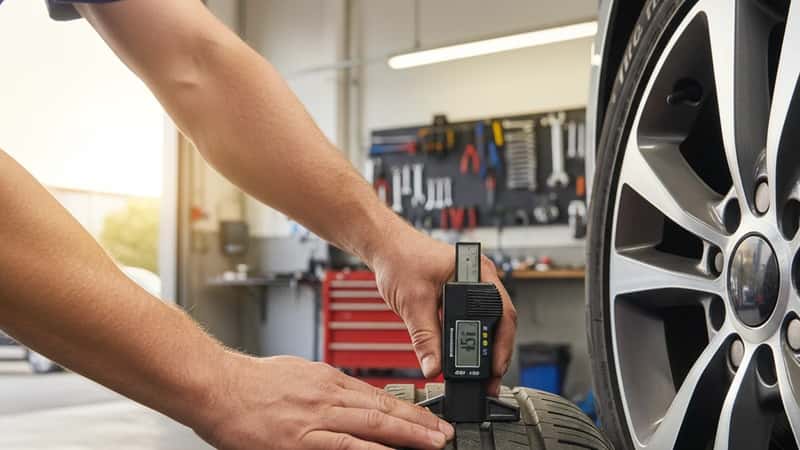
Tyres and wheels — Tread depth (minimum 1.5mm across the tyre width in Australia), tyre pressure, sidewall condition, and wheel alignment. Uneven wear patterns can signal suspension problems.
Steering and suspension — Shock absorbers, struts, tie rods, ball joints, and steering response. Worn components affect vehicle control, particularly at highway speeds or during emergency braking.
Lights — All headlights, tail lights, brake lights, turn signals, reverse lights, hazard lights, and dashboard indicator lights must function. Burnt-out bulbs are a common and easily fixed failure point.
Windscreen and wipers — Chips, cracks, and wiper blade condition. A crack directly in the driver's line of sight can cause an immediate fail in most states.
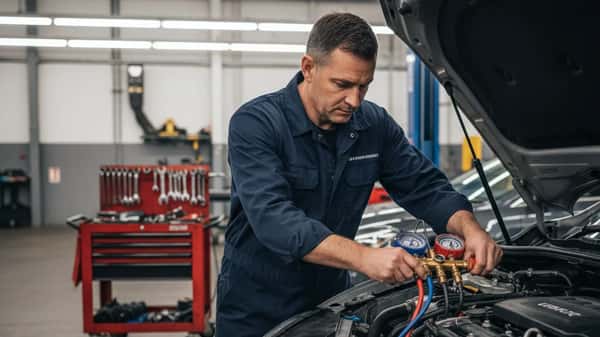
Engine and drivetrain — Fluid levels (engine oil, coolant, brake fluid, power steering fluid), belt condition, and evidence of leaks. The inspector looks for oil stains under the vehicle and checks the engine bay visually.
Exhaust system — Leaks, damage, correct mounting, and compliance with emissions standards (particularly relevant for older vehicles in NSW and ACT under the mandatory emissions testing component).
Body and chassis — Rust on the frame, evidence of accident repair, door alignment, seatbelt function, and horn. Structural rust on load-bearing components is a critical failure point.
How to Prepare Your Vehicle for a Successful Inspection
Preparation reduces the chance of failing on easily fixable issues. These steps can be completed the day before your appointment:
Check all exterior lights yourself
Walk around the vehicle at night with the engine running. Test headlights (low and high beam), tail lights, brake lights (use a wall or reflection), turn signals, hazard lights, and reverse lights. Replacing a blown globe costs $5–$15 at a parts store and takes 10 minutes — it costs nothing and prevents an avoidable fail.
Inspect your tyres
Use a coin or tyre depth gauge to check tread. In Australia, the minimum legal tread depth is 1.5mm, but inspectors flag tyres approaching this limit as "advisory" or fail them outright. Check for cracks, bulges, or foreign objects (nails, screws) in the sidewall. Confirm all four tyres are at the correct pressure (usually found on the door sill sticker).
Top up essential fluids
Check engine oil, coolant (when cold), and brake fluid. Low levels can trigger warning lights or indicate underlying issues. Keep receipts for recent fluid changes — they demonstrate maintenance history.
Address any dashboard warning lights
A lit Check Engine light or ABS warning light will almost certainly cause an inspection fail. Have diagnostic codes read at an auto parts store (often free) or a mechanic before the inspection. Some codes are minor (faulty sensor); others require repairs.
Clean the vehicle
A clean car signals to the inspector that the vehicle has been maintained. More practically, a clean engine bay makes it easier to spot leaks, and a clean interior allows inspectors to check seatbelts and interior switches easily.
Vehicle Inspection Costs Across Australian States
Inspection fees vary by state, type of inspection, and whether it's conducted at a dealership, independent workshop, or specialist inspection centre:
| State/Territory | Inspection Type | Typical Cost |
|---|---|---|
| NSW | Pink Slip (e-Safety Check) | $42–$70 |
| VIC | Roadworthiness Certificate (RWC) | $100–$180 |
| QLD | Safety Certificate | $80–$130 |
| WA | Vehicle Inspection Certificate (VIC) | $90–$150 |
| SA | Vehicle Safety Check | $70–$130 |
| ACT | Annual Safety Check | $40–$70 |
Sources: NSW Fair Trading, VicRoads, Queensland Transport, WA DoT, 2024
Pre-purchase inspections are separate from government-mandated checks and typically cost $200–$350 for a comprehensive report from services like NRMA, RACV, RAA, or independent mechanics. NRMA's vehicle inspection report, for example, includes a detailed written assessment, photos, and a pass/advisory/fail grading across all systems [NRMA, 2024].
À retenir: If you're buying a used car privately in Australia, never rely solely on the seller's Safety Certificate or roadworthiness certificate. These documents confirm the vehicle met minimum legal standards at one point in time — they don't reveal the full mechanical condition or maintenance history.
What Happens If Your Vehicle Fails an Inspection?

A failed inspection does not mean your vehicle is permanently grounded — it means repairs are required before the vehicle can be certified. Here's what happens next:
Understanding the result categories
Most Australian inspection systems use three categories:
- Pass — The vehicle meets all roadworthiness requirements and can be legally registered or sold.
- Advisory (or Minor Defect) — Issues noted that are not immediately dangerous but should be addressed soon. The vehicle passes but the owner is put on notice.
- Fail (or Major Defect) — The vehicle does not meet minimum safety requirements. Repairs are required before re-inspection and the vehicle may not be legally driven until rectified (except to a repair workshop, in some states).
Getting the repairs done
You don't have to get repairs done at the inspection station — you're free to take the vehicle to any licensed mechanic. Get two or three quotes for significant repairs, especially for items like brake rotors, suspension components, or exhaust work. Some inspection stations offer bundled inspection-plus-repair services, which can be convenient but check they're competitively priced.
Re-inspection
After repairs, return to a licensed inspection station for a re-inspection. In most states, if you return to the same station within a specified period (commonly 7–14 days), you pay a reduced re-inspection fee or no fee at all for the items already checked.
DIY Pre-Checks vs. Professional Vehicle Inspection: Knowing the Difference
Australian drivers often ask whether a thorough DIY check can replace a professional inspection. The honest answer is: it depends on what you're trying to achieve.
What you can check yourself
Confident DIYers can assess exterior lights, tyre condition and pressure, fluid levels, wiper blade function, horn, and seatbelt operation. These are surface-level checks that take 20–30 minutes and help you identify obvious issues before spending money on an inspection.
What requires professional equipment
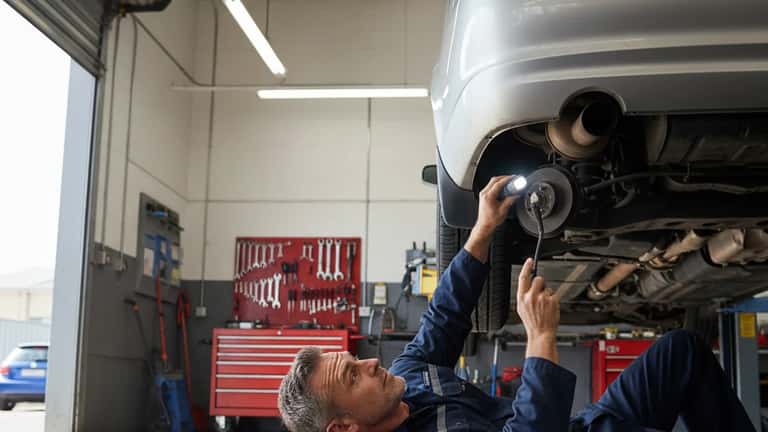
Inspectors use vehicle hoists to examine the undercarriage — checking for rust on chassis rails, worn brake components, leaking shock absorbers, and cracked exhaust sections that are invisible without lifting the vehicle. They also use OBD-II diagnostic scanners to read engine management codes, brake testing equipment to measure stopping force, and headlight alignment tools.
For a safety certificate or roadworthiness certificate, the inspection must be conducted by a licensed inspection authority in your state — a DIY check has no legal standing regardless of how thorough it is.
When professional inspection is non-negotiable:
- Buying any used vehicle (pre-purchase inspection)
- Transferring registration in most states
- Returning a vehicle to registration after a long unregistered period
- After any significant accident or structural repair
Finding a qualified mechanic in Australia who performs vehicle inspections is straightforward — for state-specific mechanics and inspection centres, explore specialist mechanics and repair services and read independent reviews before booking.
Frequently Asked Questions About Vehicle Inspections in Australia
How long does a vehicle inspection take?
A standard roadworthiness inspection or safety certificate check typically takes 45–90 minutes. A comprehensive pre-purchase inspection from a service like NRMA or RACV can take 1.5–2 hours, particularly if the vehicle requires a test drive and full written report.
Can I drive my car to the inspection if it already has issues?
In most states, you can drive a vehicle to an inspection station even if you suspect it has defects, as long as it is not already the subject of a defect notice. If your vehicle has been issued a major defect notice by police, it cannot be driven on public roads until repaired and re-inspected.
Does an inspection cover mechanical reliability, not just safety?
Standard safety certificates and roadworthiness checks focus on safety-critical systems — they do not tell you whether the engine will need a rebuild in 20,000 km. For a full picture of mechanical reliability and expected repair costs, a pre-purchase inspection from a specialist service is the right tool.
How long is an inspection certificate valid?
In NSW, a Pink Slip is valid for 3 months (or until the registration is renewed, whichever comes first). In Victoria, a Roadworthiness Certificate is valid for 30 days for the purpose of registration transfer. Validity periods differ by state — check with your state's transport authority for the current rules.
Do electric vehicles (EVs) require different inspections?
EVs undergo the same visual and mechanical checks as petrol vehicles for roadworthiness — brakes, tyres, lights, steering, and body integrity. High-voltage battery system integrity checks are increasingly being added to inspection criteria as the EV fleet grows, but current Australian state regulations primarily rely on manufacturer recall systems for battery safety [FCAI, 2024].
Important: Vehicle inspection requirements change regularly. Always verify current rules with your state transport authority (Transport for NSW, VicRoads, Queensland Transport, etc.) before booking. This guide reflects regulations as of 2026.