 Harper Brooks
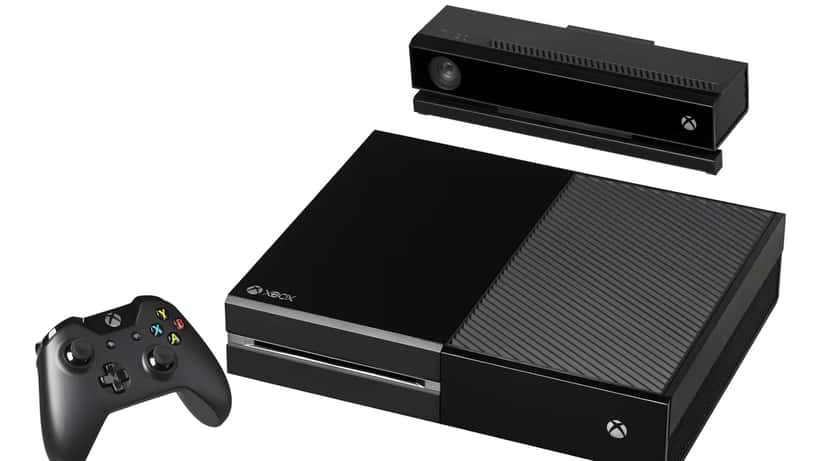
Microsoft is weighing what would be one of the most consequential restructuring moves in gaming history: spinning off its Xbox division into a standalone entity, or restructuring it as an independent subsidiary. Reports surfaced this week describing internal discussions about a company under financial pressure, deciding whether its 25-year-old gaming brand is better positioned inside the Microsoft empire — or separated from it.
For Microsoft (MSFT) investors, this is not just a gaming story. It is a corporate governance and portfolio question with direct implications for how you should think about your existing exposure to the company.
What Microsoft Is Actually Considering
According to reports from GameSpot and TechSpot this week, Microsoft is exploring multiple structural options for Xbox, including a full spin-off as an independent public company, a subsidiary model similar to how it operates LinkedIn and GitHub, or a joint venture with a third party. No decisions have been announced as of June 13, 2026, and Microsoft has not confirmed specific plans.
The context matters. Xbox's profit margins have collapsed to approximately 3% this fiscal year. Organic revenue — excluding the $75 billion Activision Blizzard acquisition completed in January 2023 — has declined over the past five years. Console hardware sales have slumped as the industry shifts toward software and subscription models, and Xbox's bet on cloud gaming has not produced the subscriber numbers needed to offset those declines.
In February 2026, Microsoft installed Asha Sharma as the new Xbox CEO, replacing Phil Spencer who had led the division for over a decade. Sharma has reportedly initiated significant layoffs and budget reductions at Xbox's smaller, underperforming game studios.
The Investment Case: Value Unlock or Strategic Retreat?
Corporate spin-offs can go two directions for investors — and which direction depends heavily on why the spin-off is happening.
The bullish case: Xbox's gaming assets — including the Activision Blizzard catalog (Call of Duty, World of Warcraft, Overwatch), the Bethesda Softworks library (Elder Scrolls, Fallout, Doom), Xbox Game Pass subscribers, and the hardware ecosystem — carry substantial brand equity. If Microsoft's conglomerate structure suppresses Xbox's valuation by burying recurring gaming revenue inside a broader enterprise software company, a spin-off could allow the market to price those assets independently. Investors who believe in gaming's long-term trajectory might assign a meaningfully higher multiple to a pure-play gaming company than the market currently applies to Xbox inside Microsoft.
The bearish case: Xbox's declining margins and revenue suggest the division is underperforming, not merely undervalued. A spin-off in that context signals retreat — Microsoft protecting its core cloud and AI business by shedding a struggling division. A standalone Xbox would need to fund its own R&D, compete against Sony's PlayStation and Nintendo without Microsoft's balance sheet backstop, and attract investors willing to bet on a turnaround without the parent company safety net.
The LinkedIn and GitHub precedent is instructive: both operate as subsidiaries, not as spun-off public companies. Microsoft preserved ownership and financial flexibility while granting each unit operational independence. If Xbox follows this model, no publicly tradable Xbox stock exists and no immediate portfolio decision is required of MSFT shareholders.
The 2026 Game Pipeline Changes the Calculus
One factor that complicates any spin-off analysis is timing. Xbox CEO Asha Sharma has reportedly accelerated development timelines for Bethesda's most anticipated titles, targeting 2026 launches for games in the Halo, Fallout, and Elder Scrolls franchises.
These are not small bets. Elder Scrolls VI has been in development since 2018. A successful Fallout release in 2026 — on the heels of the television series' breakout success — could generate hundreds of millions in revenue in a single quarter and dramatically improve Xbox's operating margin for the fiscal year.
For investors evaluating their MSFT position in response to this news, the pipeline is material. A spin-off announced before these titles ship could significantly undervalue the gaming division. A spin-off announced after a strong sales year would price the division at or near peak — potentially better for existing Microsoft shareholders receiving spin-off shares, but less compelling for buyers of the new independent company at that valuation.
The timing of any announcement, not just the structure, will matter to your return.
Tax Implications for Microsoft Shareholders
In a traditional spin-off where Microsoft distributes Xbox shares to existing MSFT shareholders, those shares are generally received tax-free under Internal Revenue Code Section 355 — provided the IRS approves the transaction as a qualifying reorganization. The IRS's guidance on corporate spin-off tax treatment outlines the conditions required for tax-free treatment, including the requirement that both the parent and the spun-off entity continue an active trade or business for at least five years.
In practical terms: you would receive Xbox shares proportional to your MSFT holdings, and your cost basis in MSFT shares would be adjusted downward to reflect the value transferred to Xbox. You owe no tax at distribution — only when you later sell.
This sounds straightforward. In practice, cost basis allocation between the parent and the new entity requires careful tracking — particularly if you hold MSFT in multiple accounts with different acquisition prices and dates, or across taxable accounts, IRAs, and trust structures with different tax treatment. Shareholders who fail to track this correctly can over- or under-report capital gains on later sales.
For concentrated MSFT holders or anyone in a complex account structure, a wealth management advisor or tax professional should model the specific impact of any spin-off on your portfolio before you make any adjustments. As covered in our analysis of Microsoft's prior MSFT stock performance, market reactions to major restructuring news can be sharp — acting before you understand your tax position can be costly.
What This Means for Game Pass Subscribers
Corporate restructurings rarely produce immediate subscription disruptions. In a subsidiary model, your Game Pass subscription continues unchanged. In a full spin-off, your subscription transfers to the new entity with the same terms — consumer protection laws require clear notice of any material changes. California's Automatic Renewal Law (Business and Professions Code § 17600) sets specific standards for how companies must communicate subscription modifications and the right to cancel before new terms take effect.
When to Consult a Financial Expert
The Xbox spin-off story is still in early-stage discussion — Microsoft has not announced a timeline or structure. But the moment a restructuring becomes official is exactly the wrong time to begin thinking about your portfolio position. News like this reprices rapidly, and reacting after the announcement means working with information the market already absorbed.
Investors holding meaningful MSFT positions — particularly those approaching retirement, managing a concentrated tech allocation, or navigating complex account structures — should use this moment to review their exposure with a wealth management specialist. A financial advisor can model the specific impact of various restructuring scenarios on your portfolio, tax liability, and overall tech allocation before the headline arrives.
ExpertZoom connects you with wealth management professionals and investment advisors who understand corporate restructurings, tax-efficient rebalancing, and the particular considerations of tech-heavy portfolios. The Xbox story is still being written — your financial response to it should not be improvised.
This article is for informational purposes only and does not constitute financial or investment advice. Consult a qualified financial advisor before making investment decisions.
