 Emily Wang
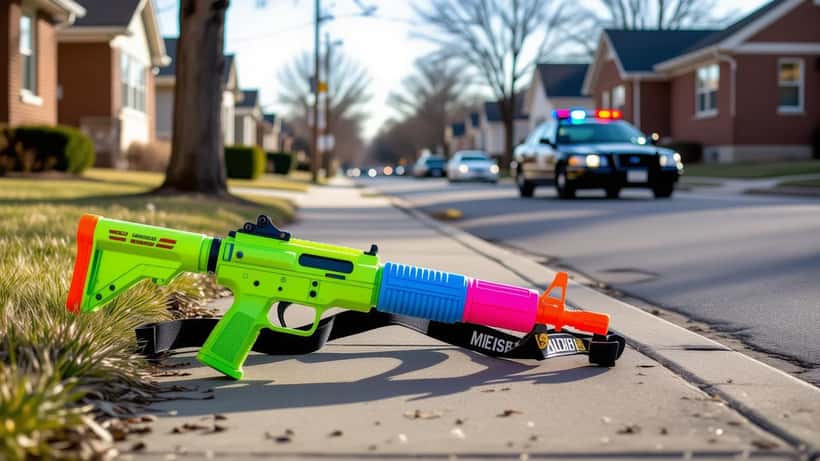
A Davison Township, Michigan police officer came within milliseconds of shooting a high school student in May 2026 — not because of a real threat, but because of a water gun. The student jumped out and sprayed the officer while playing "Water Wars," a viral senior prank spreading through communities across the country. Police Chief Jay Rendon confirmed the officer drew his actual firearm before recognizing it was a toy. "He just had a fantastic action not to fire and shoot this kid," Rendon said. "He had milliseconds to make that decision."
No one was hurt. But the legal and financial risks attached to this game are very real — and parents, students, and organizers need to understand them before a prank turns into a lawsuit, a criminal charge, or worse.
What Is "Water Wars" and Why Is It Trending in 2026?
Water Wars is an informal elimination game, primarily popular among high school seniors, where participants carry water guns and attempt to "eliminate" each other by spraying them in public settings. The game is typically organized through social media, with no central authority, no parental consent forms, and no safety protocols.
In 2026, the game has surged in popularity through TikTok and Instagram, spreading from school to school and community to community. Davison Community Schools in Michigan sent a direct warning to parents this month, stating that students who participate could end up "seriously hurt — or worse." Police in Davison Township say they have responded to multiple calls involving the game, including reports of speeding, trespassing, and disruption at local businesses.
The core danger is one of optics: dark or black-colored water guns, even with the legally required orange safety tip, can be difficult to distinguish from real firearms — especially in low-light conditions, at a distance, or in the chaos of a surprise encounter.
The Legal Exposure for Students and Parents
When a game like Water Wars goes wrong, the legal consequences can fall on multiple parties simultaneously.
Criminal liability for students. In many states, deliberately pointing an object that resembles a firearm at a law enforcement officer — even a toy — can constitute threatening or menacing behavior under state penal codes. Some statutes specifically address simulated weapons. Depending on the jurisdiction and the severity of the incident, a student who jumps out and "attacks" an officer with a toy gun could face misdemeanor or even felony charges.
Civil liability for organizers. If a student is physically harmed — by a car, by a fall, by a panicked response from another person — the organizers of the game could be held civilly liable. Courts have consistently found that when a person creates a foreseeable risk of harm to others through a planned activity, they can be held responsible for injuries that result. Since Water Wars is typically organized by identifiable individuals on social media, those organizers are traceable and potentially liable.
Parental liability for minors. In states with parental responsibility laws, parents can be held financially accountable for the tortious acts of their minor children. Michigan, for example, has a Parental Responsibility Act that can require parents to pay for property damage or personal injury caused by their children's willful misconduct. If a Water Wars participant damages property during the game — breaks something while fleeing, causes a car accident by darting into traffic — the parents may face a bill.
Property damage and trespass. Water Wars games frequently involve players entering private property. Trespassing while playing a game does not eliminate the legal exposure — it adds to it.
What the Law Says About Toy Guns in Public
The Consumer Product Safety Commission sets minimum safety standards for toy guns sold in the United States, including the requirement for brightly colored or orange barrel tips under federal law. The CPSC's toy safety guidelines outline the standards manufacturers must meet, but compliance does not eliminate user liability for how a toy is used. However, compliance with federal toy safety law does not shield a person from criminal or civil consequences if the toy is used in a way that causes genuine fear or actual harm.
Several states have gone further than federal standards. California, for example, restricts the public display of imitation firearms. Florida prohibits pointing replica weapons at others in certain contexts. Even in states without specific statutes, general criminal law provisions — disorderly conduct, reckless endangerment, disturbing the peace — can apply.
The practical implication: buying a toy gun that meets federal safety standards does not mean you can use it anywhere, in any way, without legal risk.
What Parents Should Do Right Now
If your child is playing or planning to play Water Wars, several steps can reduce legal exposure:
Have a direct conversation about consequences. The Davison Township near-miss is not hypothetical — it happened. Children need to understand that an officer responding to a 911 call about suspicious activity cannot be expected to pause and assess whether the object being pointed at them is real. The law does not require a police officer to wait and find out.
Check your homeowner's or renter's insurance. Some personal liability policies extend coverage to incidents involving minors in your household. Understanding the limits and exclusions of your coverage before an incident occurs is far better than discovering the gaps after the fact.
Consult a family law attorney if your child is already involved. If your child has been identified as an organizer of a Water Wars game and an incident has occurred, speaking with a lawyer before any conversation with police or school officials is strongly advised. Statements made without counsel can inadvertently create or expand legal liability.
Document the game has stopped. If your child previously organized or participated and is now withdrawing, having a clear record of that withdrawal can matter in litigation later.
A family law or personal injury attorney can assess the specific laws in your state, review whether your child's conduct crossed into criminal territory, and advise on your family's actual exposure. The gap between "it was just a prank" and "it created criminal liability" is much narrower than most parents assume.
This article is for informational purposes only and does not constitute legal advice. Consult a licensed attorney in your state for guidance specific to your situation.
