 Cora Nelson
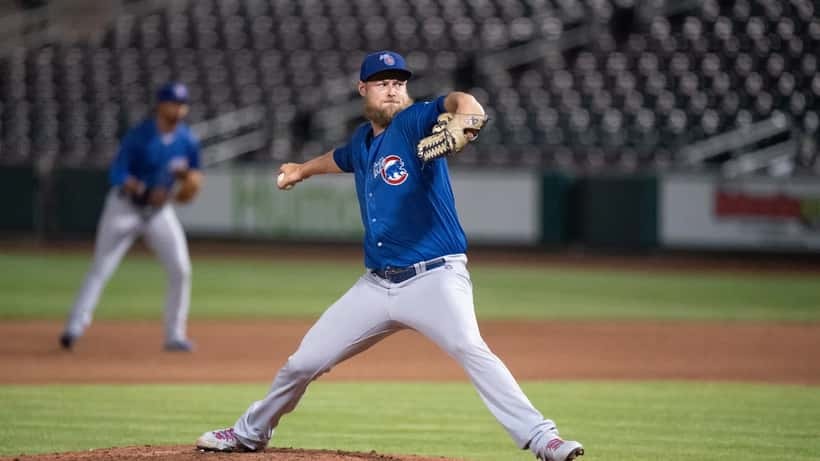
Trevor Megill took the ball in the ninth inning of Game 1 of the National League Championship Series on Sunday, October 11, 2026, retired three Dodgers hitters and collected his third save of this postseason, according to NBC Sports. He walked two batters along the way, a reminder that even a closer working on a tight leash has to navigate traffic. For fans, it is a highlight. For anyone who has ever pitched, swung, or lifted weights on back-to-back days, it raises a practical question about how an arm recovers.
What happened with Megill, and why are people searching his name?
The Milwaukee Brewers right-hander has become the face of the club's bullpen at the most visible time of year. NBC Sports noted that his Game 1 outing in the NLCS against Los Angeles was scoreless, and that it followed his first postseason save on October 4. According to a roundup of the Brewers' NLDS win over San Diego, he worked 3 1/3 scoreless innings in that series, with a win and two saves.
Search interest tends to spike for relievers like Megill because the role is dramatic: one inning, one lead, no margin. But the story underneath is workload. Closers may warm up several times in a night, sit back down, and then be asked to pitch again 24 hours later. That pattern is worth understanding even if you never throw above 60 miles an hour.
Does warming up without pitching still count as "work"?
Yes, and this is the question most readers actually have. A reliever who throws 15 to 20 loosening pitches in the bullpen and is never called in still loads his shoulder and elbow. The tissue does not know whether the crowd was watching.
The same logic applies to weekend athletes. A softball pitcher who warms up before every game of a tournament, a tennis player who hits serves before a match that gets rained out, or a parent who coaches batting practice for two hours has accumulated real repetitions. Sports medicine physicians, who are doctors trained in treating exercise-related injuries, generally look at total repetitions across several days rather than the single event you remember.
Three factors matter most:
- Volume: the number of throws, swings or serves across a full day, including warm-ups.
- Rest interval: how many hours separate sessions. Sleep is when most tissue repair happens.
- Change in load: a sudden jump, such as going from one game a week to four in a weekend, carries more risk than a steady schedule.
Why do playoff schedules make recovery harder?
In a championship series, games come on consecutive days with travel in between, and every inning is high stakes. Teams manage this with pitch counts, scheduled off days and medical staff monitoring. Amateurs rarely have any of that.
The usual warning signs are easy to recognize. Soreness that has not faded after 48 hours, a drop in how hard or accurately you can throw, tingling in the fingers, or pain that wakes you at night are all reasons to stop and get checked. Muscle fatigue usually feels dull and symmetrical, while joint or tendon trouble tends to feel sharper and more localized.
A concrete case: the Saturday doubleheader
Consider a 38-year-old who plays in a recreational softball league and pitches both games of a Saturday doubleheader on October 17. He throws about 90 pitches across the two games, plus roughly 20 warm-up throws before each, so around 130 total throws on the day. On Sunday his team has a make-up game, and he expects another 60 pitches.
Here is how the if/then logic plays out:
- If his shoulder feels only mildly tired on Sunday morning and he can raise his arm fully without pain, then he can pitch a shortened outing, perhaps capped at 40 to 50 pitches, with extra warm-up time and ice or rest afterward.
- If soreness is still noticeable 48 hours after Saturday, or he loses visible speed or control, then continuing to pitch the full 60 is a poor bet. Playing through it can turn a strain that heals in a week or two into something that sidelines him for the season.
- If he notices numbness, a catching sensation, or pain at rest, then the question is no longer how many pitches he can throw. It is whether a physician should examine the shoulder before he throws another one.
The numbers are illustrative, not a prescription. Individual tolerance varies with age, conditioning and prior injury, which is exactly why a one-time evaluation by a sports medicine doctor or physical therapist can be useful. They can watch your mechanics, test strength and range of motion, and suggest a weekly throwing schedule that matches your real life.
Who is most at risk when the schedule suddenly fills up?
The athletes who get hurt are rarely the ones training every day. They are the ones whose calendar changes overnight. A coach who volunteers for a fall tournament after a quiet summer, a former college player returning to a men's league at 40, or a teenager moving from school ball to a travel team all face the same trap: the arm is conditioned for last month's workload, not this weekend's.
Age and history also matter. Older athletes recover more slowly, and anyone with a previous shoulder or elbow problem tends to be more vulnerable to a repeat. A short conversation with a clinician about your history before the season starts is often more valuable than any treatment after an injury.
What can ordinary athletes copy from a closer's routine?
Professional bullpens are not a model of casual training, but a few habits translate well:
- Warm up deliberately. Spend 10 minutes on dynamic movement and lighter throws before ramping up intensity.
- Track your pitches. Even a simple tally on your phone shows you when a "light weekend" turned into 200 throws.
- Build in recovery days. Alternate heavy and light days, and treat sleep as part of training.
- Strengthen the support system. Rotator cuff and shoulder blade exercises, which a physical therapist can teach you, help the arm absorb repeated stress.
- Report problems early. Professional athletes tell the trainer when something feels off. Amateurs often wait until it is impossible to ignore.
You can read more about how overuse shows up in other athletes in our coverage of Jake Bauers' foul-ball foot injury and shin splints, and about how a long hot streak affects the arm in how the Brewers' recent run affects pitcher health.
The National Library of Medicine's MedlinePlus has a clear overview of sports injuries and when to seek care, including guidance on overuse injuries and the standard first-aid steps.
What should you do now?
If Megill's October outings have you thinking about your own arm, shoulder or elbow, take stock honestly. How many throws, serves or swings did you do last week? Did you recover fully between sessions? Is there a nagging ache you have been calling "normal"?
If the answers are uncomfortable, a consultation with a sports medicine physician or physical therapist is a low-cost way to catch a problem before it grows. On Expert Zoom you can connect with health professionals who work with recreational and competitive athletes and get a plan fitted to your schedule.
This article is for general information and is not medical advice. Consult a qualified healthcare professional about any pain, injury or symptom that concerns you.
