 Ava Sterling
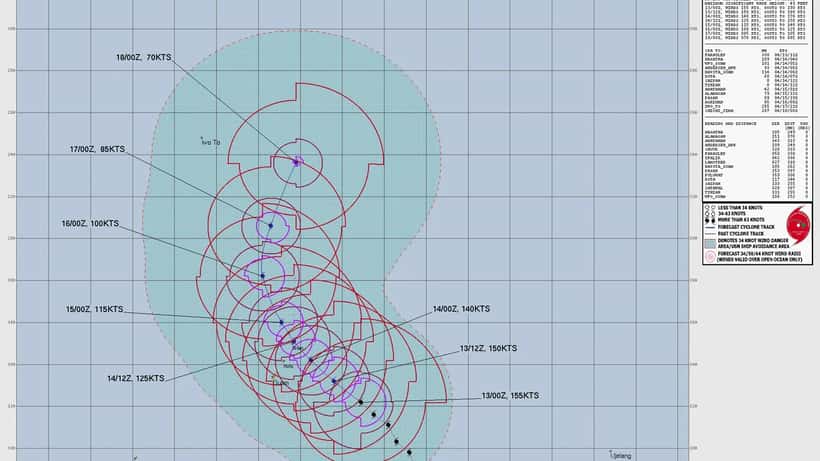
Super Typhoon Sinlaku is bearing down on Guam with 195 km/h sustained winds as of April 12, 2026 — and while evacuation orders are being issued for thousands of residents, one critical question is being asked by pet owners across the Pacific: what happens to our animals when we have to run?
This is not a hypothetical. The U.S. Coast Guard has already activated emergency protocols, and the American Red Cross has deployed teams across Guam and the Mariana Islands. According to PAGASA, Sinlaku is the first super typhoon of 2026 and among the most powerful storms to threaten Guam in decades. For the roughly 160,000 residents and their pets, preparedness isn't optional — it's life or death.
Why Pets Are the Forgotten Victims of Major Storms
Studies following Hurricane Katrina showed that up to 44% of people who refused to evacuate did so because they could not bring their pets. When evacuation shelters don't accept animals, families face an impossible choice: leave their dog behind or stay in a dangerous zone.
The consequences for pets left behind during major storms are severe. Animals that survive typhoon-force winds often face contaminated floodwaters carrying leptospirosis, Bordetella, and other dangerous pathogens. Pets separated from their owners may wander injured for days before being found — and without microchipping, reunification becomes nearly impossible.
According to the U.S. Federal Emergency Management Agency (FEMA), pet owners who plan ahead are significantly more likely to successfully evacuate with their animals. The key is acting before the storm, not during it.
What Veterinarians Say You Should Do Right Now
As Super Typhoon Sinlaku approaches, veterinary organizations emphasize that the 48-72 hours before a storm makes landfall are critical. Here is what animal health professionals recommend:
Verify your pet's identification. Your dog or cat should have a collar with a current ID tag including your mobile phone number. More importantly, if your pet is not microchipped, contact your veterinarian as soon as possible. A microchip is the single most effective way to reunite with a lost animal after a disaster — FEMA and the American Veterinary Medical Association both cite this as the top priority for storm preparedness.
Gather a pet emergency kit. Per guidance from the FDA's Animal Veterinary division, your kit should include: at least a 2-week supply of pet food and fresh water, all prescription medications with refills, copies of vaccination records and recent vet notes, a carrier or crate, familiar toys or blankets to reduce stress, and portable bowls.
Update vaccinations before evacuation season. During major storms, pets may be exposed to floodwater contaminated with bacteria and parasites. Leptospirosis vaccines are especially important for dogs in flood-prone areas. Ask your veterinarian whether your pet is due for a booster.
Do not administer sedatives without veterinary guidance. Many pet owners assume that tranquilizing an anxious animal is helpful during a storm. Veterinarians advise against this — animals need their full survival instincts if something goes wrong. If your pet has severe storm anxiety, consult a vet before the storm season for appropriate behavioral or pharmaceutical support.
The 3 Questions to Ask Your Vet Before a Major Storm
With Super Typhoon Sinlaku demonstrating how rapidly a Pacific storm can escalate from tropical storm to Category 5 equivalent in under 72 hours, the window to prepare is shrinking. Animal health professionals recommend calling your veterinarian before any storm season to address three key questions:
- Is my pet's vaccination record current? This is especially important for leptospirosis (dogs) and any respiratory viruses (cats and dogs housed in emergency shelters).
- Does my pet need a microchip or updated registration? Many owners get a chip but forget to update the contact information when they move or change phone numbers — making it useless.
- What should I do if my pet is injured during or after the storm? Knowing the location of emergency veterinary clinics, especially those that remain open post-disaster, could save your pet's life.
Planning Shelter Carefully
Not all emergency shelters accept pets. The Ready.gov national preparedness guidance recommends identifying pet-friendly hotels, out-of-area kennels, or trusted contacts who can house your animals if official evacuation centers refuse entry. Call ahead — do not assume any facility accepts animals, even in emergencies.
Veterinarians also note that sheltering in place with pets during a major typhoon carries serious risks. If the roof is compromised or flooding begins, cats and small dogs in particular can be swept away or trapped. Keep smaller animals in travel crates throughout the storm, and ensure larger dogs are leashed. Never allow pets to roam freely inside a structure during a typhoon.
After the Storm: What Vets Want You to Know
Surviving the storm is only the first challenge. In the days following a major typhoon, pet owners must remain vigilant:
- Keep pets away from floodwater. Contaminated floodwaters carry pathogens dangerous to both animals and humans. Do not allow pets to drink from any outdoor water source after a storm.
- Watch for behavioral changes. Post-disaster stress in animals can manifest as aggression, excessive hiding, loss of appetite, or destructive behavior. These signs warrant a veterinary consultation.
- Check for injuries. Flying debris during Typhoon Sinlaku-level storms can cause cuts, bruises, or internal injuries that aren't immediately visible. Have your pet examined by a veterinarian as soon as it is safe to travel.
When to Consult a Veterinarian
Super Typhoon Sinlaku is a reminder that extreme weather events are intensifying. For US territories like Guam, and for US mainland residents in hurricane-prone states like Florida, Texas, and Louisiana, having a veterinary relationship before a crisis is essential.
Consulting a veterinarian is not just about routine checkups — it is about having an expert who knows your pet's medical history, can prescribe emergency medications, and can advise you in real time when disaster strikes. If you do not currently have a regular vet, now is the time to establish that relationship.
Disclaimer: This article is for informational purposes. In a medical emergency involving your pet, contact a licensed veterinarian or emergency animal clinic immediately.
