 Jessica Johnson
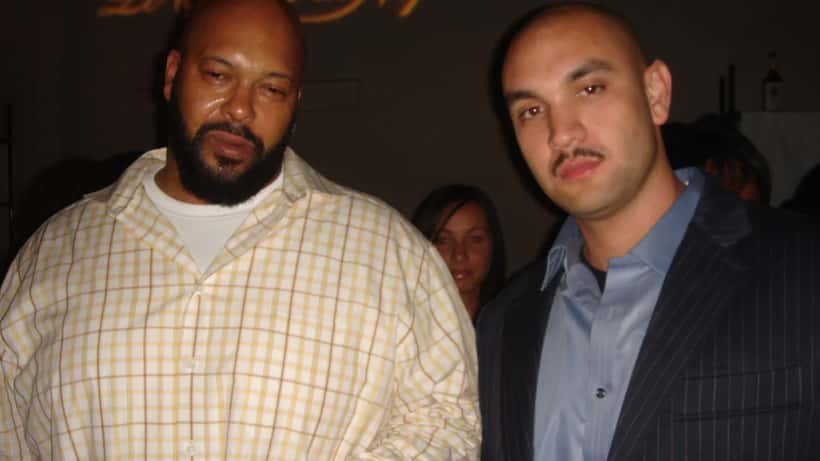
Marion "Suge Knight" Knight, 60, the co-founder of Death Row Records currently serving a 28-year sentence for voluntary manslaughter, publicly declined to testify at the Las Vegas murder trial of Duane "Keffe D" Davis on August 17, 2026. The trial, centered on the 1996 assassination of rapper Tupac Shakur, has riveted the country — but it is Knight's refusal to take the stand that raises a legal question millions of Americans never consider until a subpoena lands in their mailbox: can you actually say no?
A Murder Trial Thirty Years in the Making
Duane "Keffe D" Davis, 60, faces charges for allegedly directing the drive-by shooting that killed Tupac Shakur on September 7, 1996, near the Las Vegas Strip after a Mike Tyson boxing match. Knight, who was in the car with Shakur when the bullets struck, is the only other surviving witness to the attack. Jury selection began on August 10, 2026, according to CNN's live trial coverage.
In the weeks before the trial opened, Knight was listed on the prosecution's witness list and spoke by phone from his cell at R.J. Donovan Correctional Facility near San Diego. Speaking with TMZ on August 11, he called Tupac's death an "assassination" and insisted Davis was "not the only one involved." Yet when the court date arrived, Knight declined to appear. His attorneys cited the Fifth Amendment. The trial proceeded without him.
What the Refusal Actually Means Under the Law
Knight's decision is legally defensible, and the reasoning is more nuanced than a celebrity's defiance. His testimony could expose him to new criminal liability: anything he says under oath about the events of September 7, 1996 — about where he was, who he spoke with, what he knew — could potentially contradict prior statements or implicate him in conduct prosecutors have never formally charged.
Courts have consistently held that even incarcerated witnesses retain Fifth Amendment protection against compelled self-incrimination. Nevada law does allow judges to order testimony delivered remotely by video link when a witness faces logistical or safety barriers, and judges can hold non-compliant witnesses in contempt. But no court order can strip a witness of their Fifth Amendment rights. The only instrument that can lawfully compel testimony over a Fifth Amendment objection is a formal grant of immunity — a prosecutorial promise that the witness's statements will not be used against them in future proceedings.
Without that grant, Knight's legal team had solid constitutional ground. His refusal is not just stubbornness; it reflects the kind of careful legal calculus that anyone subpoenaed into someone else's criminal case should understand before they walk into a courtroom unprepared.
Can You Really Refuse to Testify? The Fifth Amendment, Decoded
The Fifth Amendment to the U.S. Constitution guarantees that no person "shall be compelled in any criminal case to be a witness against himself." Crucially, the protection extends beyond defendants — it covers witnesses too. According to the U.S. Courts educational resource on constitutional rights, this right exists precisely because the Founders believed forced self-incrimination was incompatible with a fair justice system.
In practice, here is how the right operates:
You generally cannot ignore a subpoena outright. A lawful subpoena compels you to appear. Failing to show up at all — absent a court order excusing you or finding the subpoena defective — is itself a crime: contempt of court or obstruction of justice. Knight's situation involved a more complex procedural posture given his incarceration, but for a private citizen, ignoring the paper is the worst possible response.
Once in court, you can invoke the Fifth on specific questions. You are not required to answer any question that could reasonably expose you to criminal liability. Your attorney can prepare you to identify those questions in advance and assert the privilege precisely, rather than broadly.
Blanket refusals are harder to sustain. Courts have held that you cannot simply say "I refuse to answer anything." Each invocation must be question-specific. A skilled criminal defense attorney can map your exposure before you ever sit in the witness chair.
Immunity changes everything. If a prosecutor grants use immunity — meaning your words cannot be used against you in subsequent proceedings, though other evidence still can — you lose the right to refuse. Testifying after a use-immunity grant and then lying is perjury, a separate felony. Transactional immunity (a complete shield from prosecution for the underlying events) is rarer but more protective.
Contempt is a real and immediate consequence. If a judge rules your refusal is not constitutionally protected, civil contempt sanctions can reach $500 to $1,000 per day until you comply. Criminal contempt can result in a separate sentence.
When This Choice Could Fall to You: A Concrete Scenario
Consider Jason, a 34-year-old accountant from Henderson, Nevada — less than 15 miles from where Tupac was shot. In 2024, he attended a private dinner where a business partner allegedly moved $120,000 in cash through a shell company. Jason didn't handle any money. He didn't know the details. But he was in the room, he signed a restaurant tab under the partner's name as a courtesy, and his phone pinged a nearby cell tower that night.
Two years later, in 2026, a federal grand jury indicts the partner for money laundering. Jason receives a subpoena to testify as a government witness.
If Jason answers questions candidly about the evening, prosecutors may argue he had "willful blindness" — a legal doctrine that treats a deliberate failure to investigate suspicious activity the same as actual knowledge. Willful blindness in a federal money-laundering case carries up to 20 years in prison and fines of $500,000. If Jason refuses to answer without a valid Fifth Amendment basis, the judge could hold him in civil contempt at $750 per day until he complies — and switch to criminal contempt if the pattern continues.
Jason's window to act: typically 10 to 14 days after receiving the subpoena, during which an attorney can file a motion to quash (challenge the subpoena's legal validity), negotiate a use-immunity proffer, or prepare a structured Fifth Amendment invocation that minimizes contempt risk. The cost of that representation: approximately $1,500 to $3,500 for a subpoena review and motion. The cost of testifying without counsel and inadvertently establishing willful blindness: a federal felony with a potential seven-figure downside.
This is exactly the calculation Knight's attorneys ran before advising him to stay silent. The math is the same whether you are a Death Row Records founder or an accountant who happened to have dinner with the wrong person.
What to Do the Moment You Receive a Subpoena
Do not ignore it. Ignoring a lawful subpoena is never neutral — it is itself a crime and immediately forfeits any procedural leverage you might have. Confirm receipt, note the compliance deadline, and move fast.
Retain a criminal defense attorney before you respond to anyone. Even if you are a pure witness with nothing to hide, your words under oath can cascade in ways you cannot anticipate. Prosecutors prepare for months; witnesses often prepare for zero hours. An attorney will assess whether any answers expose you to criminal liability, whether the subpoena is procedurally defective and subject to a motion to quash, and whether the issuing party might offer immunity in exchange for cooperation.
Request an immunity proffer if you have relevant information. If prosecutors want your testimony badly enough, they will negotiate. A written immunity agreement, reviewed by your attorney before you say a single word under oath, is far preferable to hoping your answers don't land you in legal jeopardy.
Understand the difference between civil and criminal contempt. Civil contempt is coercive — the fine or jail time ends the moment you comply. Criminal contempt is punitive and generates its own conviction on your record, entirely separate from the underlying case.
The Suge Knight story is dramatic because Tupac Shakur's murder is dramatic. But thousands of ordinary Americans are subpoenaed as witnesses every year — in federal fraud cases, state criminal trials, civil litigation, and grand jury proceedings. As our analysis of witness testimony strategy in the Jona Rechnitz corruption trial showed, the stakes for witnesses in high-profile proceedings extend far beyond the courtroom and can reshape careers, finances, and freedom for years afterward. The underlying question Knight's lawyers answered this week is not reserved for music industry legends. Whether you witnessed a real estate scheme, were present during a bar fight, or happen to know facts someone else needs for their divorce, you have rights that exist regardless of your guilt or innocence. Exercising those rights correctly — not refusing blindly, not complying blindly — requires a lawyer.
If you have received a subpoena or expect to be called as a witness in any legal proceeding, connecting with an experienced attorney through Expert Zoom can help you understand your exposure before you are under oath.
Legal disclaimer: This article is for informational purposes only and does not constitute legal advice. Every witness situation involves unique facts and applicable laws. Consult a licensed attorney in your jurisdiction before taking any action in response to a subpoena or court order.
format_used: Expert reaction
