 Charles Jackson
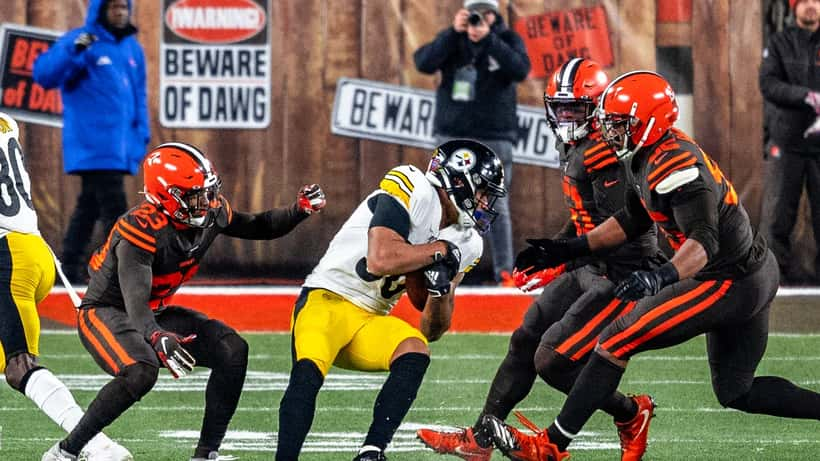
Tonight's Steelers-Browns Thursday Night Football matchup on Prime Video isn't just one of the NFL's fiercest rivalries — it's the single biggest sports betting event in two of America's most active gambling states on October 1, 2026. Hundreds of thousands of fans in Ohio and Pennsylvania will place legal wagers through DraftKings, FanDuel, BetMGM, and dozens of licensed platforms. But what happens when a sportsbook limits your bets, freezes your winnings, or closes your account right before — or after — a big game? According to lawyers who specialize in gambling disputes, most bettors have more legal rights than they realize — and most never use them.
The Steelers-Browns Rivalry Just Got a Legal Subplot
The Browns-Steelers game at Huntington Bank Field in Cleveland (kickoff 8:15 p.m. ET) marks the fourth year since Ohio legalized full online sports betting via HB 29, signed in December 2021, with wagering officially launching January 1, 2023. Pennsylvania has been live even longer, since mobile statewide betting rolled out in 2019.
Combined, the two states account for millions of active sports bettors. The Ohio Casino Control Commission reported that Ohio handled more than $12 billion in sports wagers in 2024 alone. NFL games — especially AFC North rivalry matchups — consistently generate the highest single-game betting volumes in both states.
That popularity also generates conflict. Sportsbooks are private companies, and as legal platforms have expanded, so have disputes: accounts limited without explanation, payouts delayed or withheld, and bettors suspended for winning "too much." A Thursday Night Football Steelers-Browns game is precisely the scenario where these issues come to a head. What happens when a sportsbook bans your account? is a question more bettors are now taking to lawyers.
What a Sports and Gambling Lawyer Actually Sees
Attorneys who handle gaming disputes describe a pattern that accelerates around marquee games. In the days surrounding a high-profile matchup, sportsbooks often tighten their risk exposure — which can mean quietly reducing maximum bet sizes for accounts they've flagged as "sharp" (consistently profitable).
"A bettor might have had a $500 limit on a game all season," one gaming attorney explained. "Then they go to place their Steelers-Browns bet and suddenly they're capped at $25, with no notice and no explanation. That's when people start calling lawyers."
The legal picture in Ohio and Pennsylvania is meaningfully different, and which state you're physically located in when you place a bet determines which rules protect you.
Ohio: Under rules enforced by the Ohio Casino Control Commission, licensed sportsbooks must provide bettors access to their own transaction history, maintain transparent terms of service, and pay out any wager that was accepted and won. Ohio currently does not require sportsbooks to explain why an account is limited — but they cannot withhold funds from winning bets that were validly placed.
Pennsylvania: The Pennsylvania Gaming Control Board has broader consumer protection language, and its licensing conditions explicitly require sportsbooks to resolve disputes within defined timeframes. Pennsylvania bettors also have a formal dispute resolution pathway through the gaming board — a process many bettors don't know exists.
A significant national development: Massachusetts became the first state to legally require sportsbooks to provide a written explanation for account limitations within two business days, identifying the specific markets affected. Industry observers expect Ohio and Pennsylvania to face similar legislative proposals by mid-2027 as bettor advocacy groups grow louder.
The NFL's Own Legal Wrinkle: The Microbetting Lawsuit
The legal terrain shifted further in September 2026 when a federal lawsuit was filed challenging the NFL's exclusive sportsbook partnership structure. The lawsuit, filed in the Southern District of New York, alleges that the NFL's billion-dollar exclusive deals with approved sportsbook partners create anticompetitive conditions that harm bettors — specifically by limiting the range of live (in-game) betting options available through non-partner platforms.
The Steelers-Browns game will be streamed on Prime Video, which has its own Prime Video Sports Betting integration. Whether bets placed through streaming-integrated platforms carry different legal standing than standalone apps is one question players in this litigation are watching closely.
The NFL also made news in late September 2026, asking gambling regulators in 35 states — including Ohio and Pennsylvania — to allow sportsbooks to permanently revoke betting privileges for users who threaten or harass athletes and coaches. Legal experts note that this request, if adopted by state gaming commissions, would create a new class of permanent account bans — and raises fresh questions about due process rights for bettors.
Concrete Case: What Happens When Your Account Gets Limited on Game Day
Here is how a typical dispute scenario plays out — and where a lawyer's advice can make a measurable difference.
Imagine an Ohio bettor, registered since January 2023, who has placed approximately $8,000 in NFL wagers over two seasons with a net profit of roughly $1,200. By any industry standard, this bettor is modestly profitable — not a "sharp" in the professional sense.
On the morning of October 1, 2026, they attempt to place a $300 moneyline bet on the Steelers to win the Thursday night game. The platform accepts the bet at a reduced maximum of $40, automatically downgrading the stake without displaying an error or explanation. The bettor does not notice until after the game.
Under current Ohio law, this is technically permitted — the sportsbook's terms of service typically include a clause allowing them to "modify bet limits at their discretion." However:
- If the bet was accepted at the lower stake and the Steelers won, the bettor is owed $40 × the posted odds — and the platform must pay.
- If the bettor can show the limit change was applied selectively based on past winning patterns, not on a neutral, platform-wide risk policy, there may be grounds for an unfair business practices complaint to the Ohio Casino Control Commission.
- If the bettor's account is then fully closed within 30 days of the disputed transaction, an attorney can request the full transaction history — and that history may reveal a pattern of targeting profitable accounts.
The financial claim may be small. But the Ohio Casino Control Commission's complaint process is free to use, and a formal complaint can pressure a licensed operator in ways a support chat never will. A 30-minute consultation with a gaming attorney costs far less than the average disputed wager — and in Pennsylvania, where dispute timelines are codified, a lawyer can often resolve a withheld payout in under two weeks.
What You Should Do If You Hit a Betting Dispute Tonight
If you're placing bets on tonight's Steelers-Browns game — in Ohio or Pennsylvania — here is what legal advisors recommend you keep in mind:
Screenshot your bet confirmation immediately. A confirmed bet receipt showing the accepted odds and stake is your primary evidence. Platforms occasionally display different information in transaction histories versus in-app receipts.
Read your state's sportsbook complaint process before you need it. Ohio's is handled by the Ohio Casino Control Commission; Pennsylvania's by the Pennsylvania Gaming Control Board. Both have online complaint portals. A complaint filed within 30 days carries the most weight.
Know what sportsbooks can and cannot do. They can limit your bets. They cannot withhold your winnings from accepted wagers. They cannot change the odds after a bet is confirmed. Any retroactive alteration of a confirmed bet is a regulatory violation, not just a terms-of-service dispute.
Consult a gaming or consumer rights lawyer before escalating. If your dispute involves more than $500 — or if your account was closed and funds were withheld — an attorney can assess whether the state gaming board complaint process is sufficient or whether a civil claim is appropriate. In Ohio, consumer protection attorneys often work on a contingency basis for disputes involving licensed regulated entities.
For tonight's game, the legal advice is straightforward: enjoy the rivalry, document your bets, and know that the regulatory framework around you has teeth — if you know how to use them.
If you've already encountered a sportsbook dispute — or want to understand your options before one arises — consulting a licensed attorney who handles gaming and consumer rights cases is the fastest way to get a clear answer. For a matchup as high-stakes as the Steelers-Browns, it's worth knowing your rights before kickoff.
Disclaimer: This article is for informational purposes only and does not constitute legal advice. Sports betting laws vary by state. Consult a licensed attorney for advice specific to your situation.
