 Carl Graham
The Federal Trade Commission announced on November 24, 2026 that SHEIN will pay $100 million in consumer redress to settle allegations that the fast-fashion retailer made it unreasonably difficult for shoppers to resolve purchase issues, missed its shipping promises, suppressed negative reviews and made deceptive supply chain and cotton-origin claims. The FTC filed its complaint and a proposed stipulated final order in the U.S. District Court for the Central District of California. It follows other recent FTC consumer protection actions over pricing, and it is the kind of case where a shopper's own paperwork matters.
Five phone agents for nearly one million daily packages
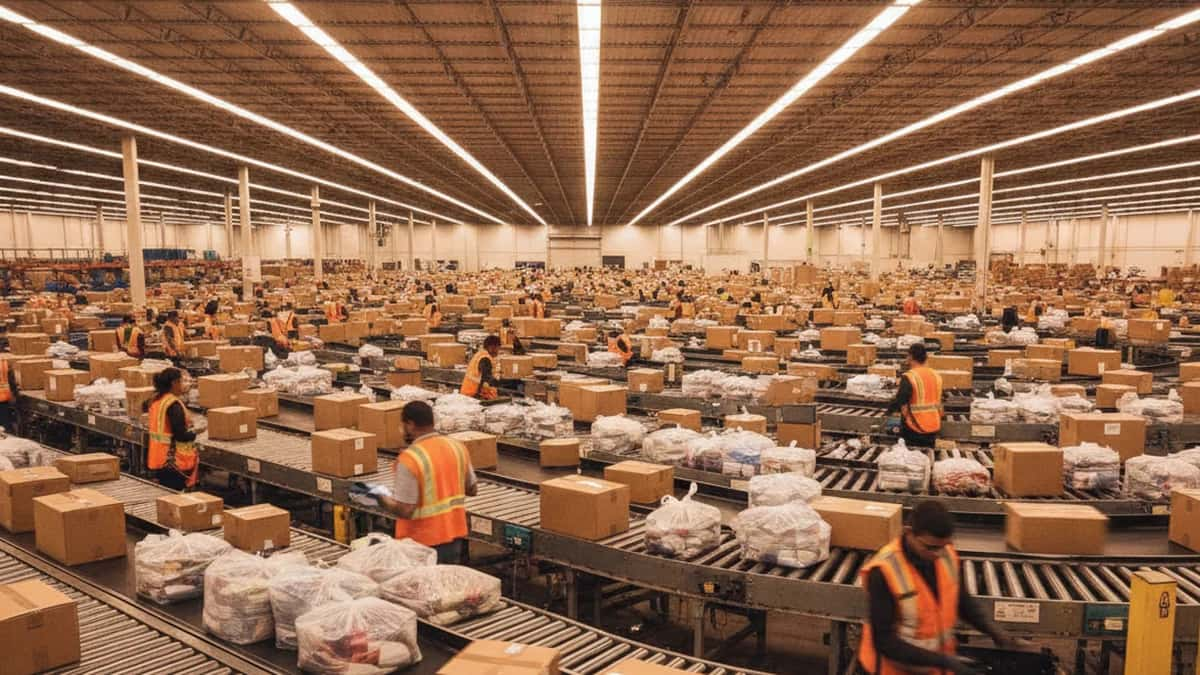
The number that frames the complaint is a staffing figure. According to the FTC's complaint, SHEIN ships nearly one million packages to the United States each day. As of September 2025, the company employed only five customer service agents to handle telephone inquiries from American consumers, and it failed to provide a phone number for those agents on its website.
The complaint says the result was predictable. Tens of thousands of consumers reported that their orders arrived days, weeks or months late, and some never received their orders at all. Consumers were unable to reach customer service to ask about late or missing orders, and their requests often went unanswered. SHEIN also did not provide adequate shipping updates, including the delay notices that the law requires, according to the FTC.
Christopher Mufarrige, Director of the FTC's Bureau of Consumer Protection, put it this way: SHEIN attracted consumers with promises of affordable clothing and fast delivery, and then compounded the harm by making it extraordinarily difficult to obtain customer service.
Three legal hooks: the FTC Act, a mail-order rule and a reviews rule
The FTC alleges that these practices violated three separate bodies of law. The first is Section 5 of the FTC Act, the general prohibition on unfair and deceptive practices. The second is the Mail, Internet, or Telephone Order Merchandise Rule. The third is the Rule on the Use of Consumer Reviews and Testimonials.
For a reader, the split matters because each hook covers a different moment in a purchase. The shipping and delay allegations concern what happens after you click "buy." The review allegations concern what you read before you click. The supply chain and cotton claims concern what a product page says about the garment itself.
Positive reviews published, critical ones suppressed
The complaint alleges that SHEIN systematically prevented reviews from being displayed on its website in violation of the law. According to the FTC, the company published positive reviews while suppressing or deleting reviews from customers who criticized or returned SHEIN's products.
Anyone who has trusted a star rating before ordering will see the problem. A rating built from a filtered set of comments says little about the typical experience. The FTC's allegation is specific: the filter ran against customers who had complaints or had sent items back.
Supplier audits and cotton that was labelled U.S.-grown
The third group of allegations concerns claims about where products come from and who made them. The complaint says SHEIN marketed its evoluSHEIN products as sourced from suppliers with above-average ratings in social-compliance audits designed to protect against child and forced labor. The FTC alleges that SHEIN failed to provide a single audit that supported those claims.
The cotton-origin allegation is more concrete still. According to the complaint, cotton that SHEIN represented as U.S.-grown was found to originate from China, and cotton used in at least some of its products could not be traced to any country of origin at all. The FTC calls SHEIN's representations about country of origin deceptive.
What the proposed order requires, and what makes it binding
Under the proposed order, SHEIN will pay $100 million to the FTC, which will use the money to provide redress to consumers harmed by the company's unlawful actions. The order also prohibits SHEIN from four things: misrepresenting shipping and delivery times, suppressing negative product reviews, refusing to provide adequate customer service, and making deceptive claims about supplier and manufacturer audits or product traceability.
The Commission vote authorizing staff to file the complaint and stipulated final order was 2-0. The FTC's note on the release adds a procedural point worth keeping in mind: the Commission files a complaint when it has "reason to believe" that the named defendants are violating or are about to violate the law, and stipulated final orders have the force of law when approved and signed by the District Court judge. The order is therefore proposed until the judge acts. The FTC's case page lists the case status as pending, and the release does not say how or when redress payments will reach shoppers.
A late order and a missing phone number: how the checks run
The material gives no template for a claim, so the worked example below is illustrative. It shows how a reader can use the facts of this case to organize their own records.
Take a shopper who placed an order with an online fast-fashion retailer in the fall of 2026. The checkout page promised delivery within a stated window. The window passes, and no delay notice arrives. The shopper looks for a phone number on the retailer's website and finds none.
The FTC's allegations suggest a sequence of checks, each tied to a fact in the case:
- If the order is late and no delay notice came, save the order confirmation and the delivery window shown at checkout. The complaint alleges SHEIN did not provide legally required delay notices, so the absence of a notice is itself information worth documenting.
- If the website lists no phone number, write down that fact and the date you looked. The complaint alleges SHEIN failed to provide a phone number for its five phone agents on its website as of September 2025.
- If you tried to reach customer service and heard nothing back, keep copies of each message with its date. The FTC alleges that consumer requests often went unanswered.
- If you paid for a product because of a sourcing claim, save the product page. The complaint says the supplier-audit claims on evoluSHEIN products were unsupported and that some cotton labelled U.S.-grown came from China.
- If you left a critical review that never appeared, screenshot your submission. The FTC alleges that critical reviews were suppressed or deleted.
None of these records proves a claim. They make it possible for a consumer, a bank dispute team or an adviser to see what happened and when. The reasoning is plain if/then logic: if a retailer's own customer service is hard to reach, your records become the main evidence of what you were promised.
The scale of the allegations also explains why the case matters beyond one shopper. Nearly one million packages a day against five phone agents is the FTC's own comparison, and written records are the part of the process a shopper controls.
Why a consumer-law professional can help with a dispute like this
This case sits where consumer protection law, online retail and advertising rules meet, and the details depend on the facts of each purchase. A lawyer who handles consumer protection can look at a specific order history, a card statement and the retailer's stated terms, and say what options exist. That advice is a different thing from the FTC's allegations, which are claims in a complaint until a court rules otherwise. The proposed order is not yet in force.
This article is general information based on the FTC's announcement and is not legal advice.
What to do next
Two practical steps follow from the release. First, keep order confirmations, delivery promises, screenshots and customer service messages for any online purchase, especially a late or missing one. Second, watch the FTC's Consumer Protection pages for updates on the case, since the release says only that the money will be used to provide redress to consumers harmed by the company's unlawful actions.
The FTC also reminds the public that it will never demand money, make threats, tell you to transfer money, or promise you a prize. Consumers can report fraud, scams and bad business practices at ReportFraud.ftc.gov, and can find consumer guidance at consumer.ftc.gov. The FTC Consumer Response Center takes calls at 877-382-4357. The agency's regional offices page, including the Southeast Region listing, shows the other cases it has announced in recent weeks.
