 Davis Caesar
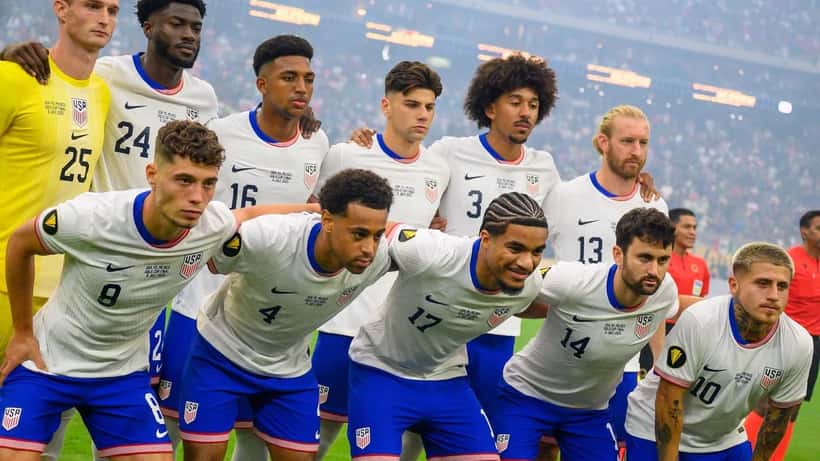
Sebastian Berhalter made the 2026 World Cup roster without a single call-up from his father — and that legal distinction matters more than most Americans realize. When the 25-year-old midfielder took the field in Seattle on June 19, 2026, against Australia, he completed a full-circle moment four years in the making. His father, Gregg Berhalter, coached the USMNT to a 2022 Round-of-16 exit and was fired after a disappointing Copa América 2024 campaign. By the time Mauricio Pochettino named Sebastian to the 26-man WC2026 roster, Gregg was long gone — clearing the path for a call-up no one could credibly question.
And yet the word "nepotism" still followed him. Across the United States, it follows millions of workers too.
The Berhalter Story: When "Who You Know" Meets "What You Can Do"
Sebastian Berhalter grew up inside professional soccer's ecosystem — his father coaching at the highest levels of the U.S. game. Coming through the Columbus Crew academy, then stops at Austin FC, then a breakout run at the Vancouver Whitecaps, Sebastian built an MLS resume as one of the league's most active ball-winning midfielders. MLSSoccer.com called him the USMNT's "glue guy" at the tournament: a player who can protect a lead, win duels, and keep possession ticking when the lineup needs depth.
Gregg Berhalter himself acknowledged the bind he was in. According to ESPN, the elder Berhalter stated he "couldn't have picked Sebastian" while serving as head coach — a recognition that even the appearance of favoritism would have been damaging, to his son's career and his own credibility. FOX Sports analyst Stu Holden argued Sebastian would have made the roster under any competent coach given his level of play.
The story has a clean resolution: different coach, unimpeachable selection, historic father-son milestone. But for workers navigating similar dynamics in offices, hospitals, schools, and construction sites across America, the resolution is rarely so tidy. So what does U.S. law actually say?
What Federal Law Says About Nepotism
The fact surprises most American workers: in the private sector, nepotism is generally not illegal on its own.
Private employers have broad latitude to hire, promote, or advance family members. There is no federal statute that flatly prohibits a private company from putting a relative on the payroll. The key legal limit involves discrimination law: if a company's hiring or promotion pattern — including nepotistic practices — has a disparate impact on a protected class, it becomes actionable under Title VII of the Civil Rights Act of 1964. The U.S. Equal Employment Opportunity Commission (EEOC) enforces these protections and processes more than 67,000 workplace discrimination charges annually.
The rules are far stricter for government workers. Federal anti-nepotism law — codified at 5 U.S.C. § 3110 — explicitly prohibits any federal official from appointing, employing, promoting, or advocating for a relative within an agency they supervise. The prohibition covers the President, members of Congress, federal judges, and career civil servants at every level. Violations can result in removal from office, fines, and a requirement that the individual forfeit any salary received through the improper appointment.
Many state and local governments have parallel statutes of their own. In states from California to Florida, public school superintendents, police chiefs, and elected officials face explicit anti-nepotism rules. Violations can constitute a prohibited personnel practice — triggering investigations by the U.S. Office of Special Counsel.
When Private-Sector Nepotism Becomes Legally Actionable
Even without a blanket prohibition, nepotism in private workplaces can create significant legal exposure across several scenarios.
Discriminatory impact. If a company's pattern of hiring or promoting family members consistently excludes women, racial minorities, or members of another protected class, employees may file a Title VII complaint with the EEOC. Courts have recognized that informal hiring networks — including family referral chains — can produce illegal disparate impact even without discriminatory intent.
Conflict of interest and fiduciary duty. In publicly traded companies, a manager who supervises a relative and controls their compensation raises fiduciary concerns. Boards owe duties to shareholders; nepotistic arrangements that harm shareholder value can trigger derivative suits or SEC scrutiny.
Hostile work environment. If nepotism creates a climate in which other employees are systematically demoralized, humiliated, or disadvantaged in ways tied to a protected characteristic, a hostile work environment claim can follow.
Retaliation. An employee who reports suspected nepotism — to HR, to a state labor board, or to the EEOC — and is then demoted, passed over for promotion, or fired may have a retaliation claim. Federal whistleblower protections apply to public-sector workers; private-sector employees are protected from retaliation for filing EEOC charges under Title VII itself.
Breach of company policy. Many employers maintain explicit anti-nepotism policies in their handbooks. When those policies are violated, affected employees may have grounds for internal grievance proceedings or civil claims if the breach caused quantifiable harm.
The Practical Gap: Public vs. Private Standards
The contrast between Sebastian Berhalter's situation and a typical American workplace illustrates a structural gap in U.S. law. U.S. Soccer is a private, non-profit federation — not a government entity. No federal anti-nepotism statute governed Pochettino's roster selections. The matter resolved itself through institutional separation: different coach, no conflict.
In a public school district, municipal fire department, or federal agency, the same dynamics would unfold under far heavier scrutiny. A school principal who hired their child would face state anti-nepotism review. A federal manager who advocated for a sibling's promotion could face removal under 5 U.S.C. § 3110.
For most American workers, private-sector rules dominate — protections are thinner, and company culture, internal policies, and union contracts often matter more than any statute.
What to Do If Nepotism Is Affecting Your Career
Employment lawyers advise workers who believe they have been harmed by nepotistic practices to take the following steps before taking any legal action:
Document every relevant interaction. Preserve job postings, performance reviews, promotion announcements, emails, and any conversations that bear on the decision you believe was influenced by family ties. Contemporaneous records are critical to any legal claim.
Review your employer's handbook. Many organizations — from mid-size companies to nonprofits — have explicit anti-nepotism or conflict-of-interest policies. If yours does and was violated, HR is obligated to investigate. A formal internal complaint creates a paper trail.
File an EEOC charge if you believe the favoritism had a discriminatory impact on a protected class you belong to. Charges must generally be filed within 180 to 300 days of the discriminatory act, depending on your state.
Consult a qualified employment attorney. State employment laws vary significantly, and what constitutes an actionable claim in California may not meet the threshold in Texas. An employment lawyer can assess the specific facts of your situation, identify the correct forum, and advise on realistic outcomes before you commit to litigation.
Sebastian Berhalter's WC2026 story settled cleanly — merit confirmed by a different coach. For workers who don't get that institutional separation, understanding the law is the first line of defense.
Legal disclaimer: This article is for informational purposes only and does not constitute legal advice. Employment law varies by state and circumstance. Consult a licensed employment attorney for guidance specific to your situation.
