 Odette Caplan
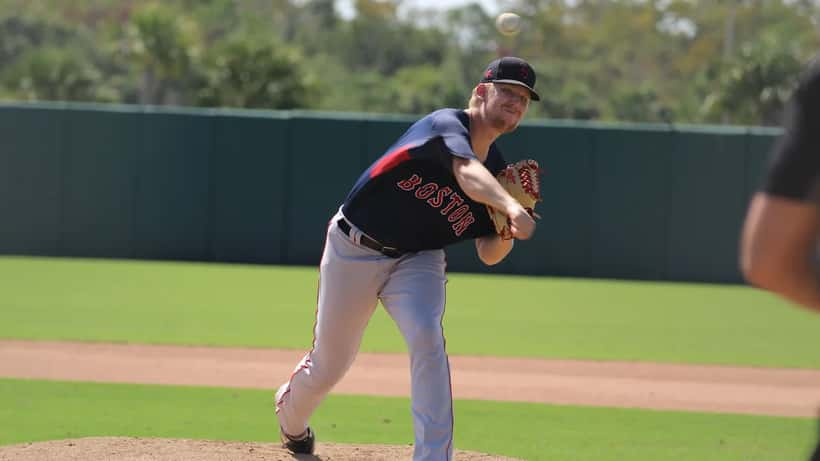
The Cubs just acquired Ryan Zeferjahn from the Angels at the August 3, 2026 trade deadline — and the 28-year-old right-handed reliever had absolutely no say in the move. That's not a complaint. It's the law.
Zeferjahn posted a 3.66 ERA with 75 strikeouts in 51.2 innings for Los Angeles this season. His sweeper carries a +7 run value, tied for fourth-best in all of baseball. He's been one of the best relievers on the market. And yet, when Chicago and Los Angeles agreed on terms, Zeferjahn's bags were packed for him.
For the millions of Americans who follow baseball, this kind of deal raises a question most never think to ask: when a professional athlete gets traded against their will, what legal rights do they actually have?
What the Trade Deadline Reveals About Athlete Contracts
The MLB trade deadline is theater — highlight packages, reporters on X, fans refreshing their phones. Behind it sits a machinery of contractual obligations that most players, unless they're represented by experienced counsel, don't fully understand until the deal is already done.
Ryan Zeferjahn is currently earning $780,000 in 2026, the pre-arbitration salary set by the MLB's Collective Bargaining Agreement (CBA). He won't reach free agency until 2030. That means Chicago now controls his next several seasons.
Under the CBA, teams own player contracts as assets. A pre-arbitration player — one who hasn't yet accumulated three full years of MLB service time — has essentially no mechanism to block a trade. No limited no-trade clause. No veto right. No opt-out. The player is bound to wherever the franchise decides to send him.
The player is not a party to the trade. The teams negotiate. The player is notified — and under the CBA, that notification is the extent of the obligation.
That notification requirement is real — teams must inform the player before announcing the deal publicly — but it is not consent.
No-Trade Clauses: Who Gets Them, and Why They Matter
A no-trade clause (NTC) allows a player to block a trade to specific teams, or sometimes any team. In MLB, two categories of players can hold them:
10-5 players — those with at least 10 years of MLB service time and five consecutive years with the same team — earn automatic limited no-trade rights under the CBA. These players can reject any trade to any club. It is the only unilaterally guaranteed no-trade protection in baseball.
Negotiated NTCs — some players, typically stars, negotiate partial or full no-trade clauses directly into their contracts. These might list 10 to 15 specific teams a player can block. This leverage only comes at signing, and typically only for players with enough market value to demand it.
Zeferjahn has neither. At 28, with his MLB debut in 2024 and fewer than three years of service time, he is precisely the kind of player the system was designed to control. His strong performance this year — 33.5% strikeout rate, improving command, closer-caliber stuff — is exactly why Chicago wanted him. It is also why, legally, he had no power to refuse.
According to the MLB Players Association's official FAQ on player rights, salary arbitration eligibility triggers after three years of MLB service time — or earlier for "Super Two" players in the top 22% of service time between two and three years. Full free agency requires six years of service. Zeferjahn is several years from either milestone.
The Concrete Case: What This Trade Means in Real Numbers
Take the mechanics of Zeferjahn's situation: he earns $780,000 in 2026. Chicago inherits that contract exactly as written — the same salary, same terms, same protections (or lack thereof). The Angels receive whatever Chicago offered in prospects or cash considerations. Zeferjahn receives a new zip code.
Here is where the legal stakes become concrete. Suppose a player in Zeferjahn's position — pre-arb, four-plus years of team control remaining, performing at an all-star level — wants to renegotiate upon being traded. Under MLB rules, teams are under no obligation to do so. The player's leverage is essentially zero unless:
- They are within a year of arbitration eligibility: At that point, a trade could accelerate service time calculation, and a skilled agent (backed by solid legal counsel) might use the moment as a renegotiation opening.
- The player's contract contains a "trade bonus" clause: Some contracts include provisions for bonuses triggered by trades — typically $25,000 to $250,000 depending on the deal. These must be negotiated at signing and are more common for veteran players.
- The player can assert a physical hardship: If the destination creates documented hardship — extreme geographic relocation affecting a spouse's career or a child's medical needs — some players have successfully negotiated modified terms or a one-time signing bonus. This is rare and requires an attorney.
If Zeferjahn's contract includes a trade bonus (the terms have not been publicly disclosed), he'd receive that payment on top of his salary. If it doesn't, Chicago owes him nothing beyond the $780,000 already on the books.
What Everyday Athletes and Professionals Can Learn From This
Ryan Zeferjahn is a professional baseball player. But the legal dynamics at play — employer control over contract portability, the difference between rights guaranteed by statute versus those negotiated individually, and the window of leverage you have only at signing — apply far beyond the diamond.
For athletes at every level, from minor leaguers signing their first deals to collegiate players entering the draft, the moment of contract signing is the moment of maximum leverage. Once the ink dries, especially in a system governed by a collective bargaining agreement, individual rights are significantly narrowed.
Sports attorneys consistently point to three under-negotiated clauses that athletes at the professional level frequently overlook:
- Trade bonuses: These must be asked for. Teams rarely volunteer them. Even a $50,000 trade bonus, negotiated before signing, can make relocation financially manageable for a player earning league minimum.
- Medical and rehabilitation rights: Where does a player receive treatment after injury? Some contracts specify team-approved physicians only. Negotiating broader language here can be the difference between a quick recovery and a career-altering misdiagnosis.
- Service time definitions: The exact calculation of MLB service time — measured in days on the active roster — affects arbitration eligibility, free agency timing, and pension benefits. A player who appears in September without understanding service time implications may inadvertently delay their own free agency by a full year.
These are not loopholes. They are contractual provisions that a qualified sports attorney will raise at the table. Most players who skip legal representation at signing — particularly at the minor league or pre-arb level — discover these gaps only when it's too late to negotiate them.
How Consulting a Sports Attorney Changes the Equation
The public narrative around the Zeferjahn trade is about pitching: will he close for the Cubs? Can his sweeper dominate in the National League? Those are fair questions.
But the private narrative — the one happening in offices between agents, attorneys, and front offices — is about leverage, timing, and what specific contract language was or wasn't in place before August 3.
For amateur athletes, collegiate players considering the draft, or even non-athletes in employment contracts subject to relocation clauses, the lesson is identical: the time to consult a lawyer is before you sign, not after you're traded.
A sports or employment attorney can review your contract for:
- Trade or relocation clauses and associated bonuses
- Non-compete language (increasingly relevant in minor leagues)
- Arbitration procedures and timelines
- Intellectual property rights (name, image, likeness for athletes)
- Termination and buyout provisions
The Cubs are getting a reliever with four years of team control and a sweeper that baffles hitters. Ryan Zeferjahn is getting a new city and the same contract he signed in Anaheim. Whether that's fair is a matter of opinion. Whether it's legal — under the CBA and the contract he agreed to — is not.
As explored in our earlier coverage of Casey Mize's trade deadline contract situation, the pattern is consistent: even high-performing players have far fewer protections than fans assume until they cross the service time thresholds that trigger real leverage.
Disclaimer: This article is for informational purposes only and does not constitute legal advice. Consult a qualified attorney for guidance specific to your situation.
If you're navigating a contract with relocation provisions, employment conditions you didn't anticipate, or a professional agreement you signed before fully understanding your rights, speaking with an attorney can clarify your options. ExpertZoom connects you with qualified legal professionals who specialize in employment and contract law.
