 Jessica Johnson
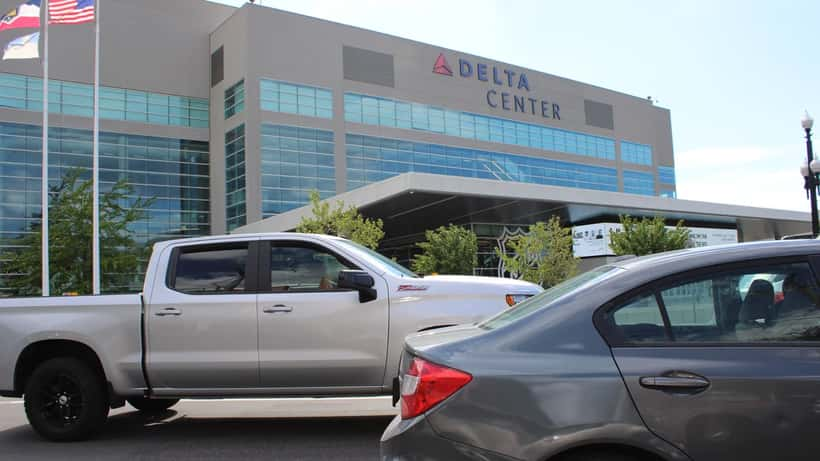
Smith Entertainment Group chairman Ryan Smith unveiled renderings on October 14, 2026 for a $3 billion redevelopment of three blocks of downtown Salt Lake City, between the Delta Center and City Creek Center. Demolition of buildings between 200 West and 300 West is scheduled to begin in early 2027, according to Deseret News. If you own, lease or operate a business near the footprint, the plan raises practical legal questions long before the first wall comes down.
What Smith and city leaders announced
According to Deseret News, SEG plans to invest $3 billion in the district. Salt Lake City has also raised its sales tax to generate $900 million for the Delta Center remodel and other district improvements. The article does not state the new rate.
The plan includes a rebuilt Salt Palace Convention Center, updates to Abravanel Hall, a new Utah Museum of Contemporary Art facility and a 6,000-seat music venue expected to host 80 to 120 concerts a year. It also adds a hotel, residences, restaurants, shops and office space. A paseo would link West Temple to 300 West through the center of the district.
Mayor Erin Mendenhall said the Delta Center and its events generate more than $970 million for the city's economy each year. The work is targeted for completion before the 2034 Winter Olympic and Paralympic Games.
The Deseret News report does not address how property would be acquired, and it does not describe eminent domain. That gap matters, because it is the first thing owners and tenants will want answered.
Why a project like this reaches beyond the footprint
Large redevelopments rarely affect only the parcels that are demolished. Three groups tend to feel it first.
Tenants inside the footprint. Demolition between 200 West and 300 West means existing buildings will come down. A commercial lease usually contains a demolition or redevelopment clause, and whether it lets the landlord end your lease early depends on its exact wording.
Owners next door. A project of this size can raise nearby land values, change traffic patterns and alter zoning pressure. Some owners will receive purchase offers. Others will face construction disruption for years.
Businesses that depend on foot traffic. Years of construction can cut sales for restaurants and shops along the edges, even when their buildings are never touched.
The plan does show that some neighbors are staying. The Japanese Church of Christ and the Salt Lake Buddhist Temple will remain in their current locations, and the Japantown Street loading docks will be replaced with offices, retail and restaurants.
Common questions from nearby owners and tenants
Can the government force a sale? In Utah, the power of eminent domain is set out in the state code, starting at Utah Code 78B-6-501. It limits the purposes for which property can be taken and requires just compensation. Whether any parcel in this district would be acquired that way has not been reported. A private developer negotiating a voluntary purchase works under different rules than a public agency.
What if I receive a purchase offer? An offer is a negotiation, not a deadline. Owners generally have the right to have the property independently appraised, and the price can reflect the value of the redevelopment itself.
Does my lease protect me? Look for a relocation clause, a demolition clause, a term that runs past 2027 and any language on rent abatement during construction.
A concrete case: a restaurant with 26 months left on its lease
Consider a hypothetical restaurant owner on 200 West. The lease began in January 2025 and runs for five years, which leaves roughly 26 months after the early-2027 demolition window opens. The business pays $9,500 a month in rent and has spent $140,000 on a kitchen build-out.
If the lease has a landlord termination right on 90 days' notice, the owner could lose the space with about three months to move. At $9,500 a month, the 26 remaining months represent roughly $247,000 in committed occupancy that the owner would walk away from, along with the unrecovered build-out.
If instead the lease has no early termination clause and the landlord sells to a developer, the sale generally takes place subject to the existing lease. The buyer would then need to negotiate a buyout. A buyout covering the unamortized build-out plus moving costs, say $140,000 plus $25,000, would be a fair starting point in that conversation.
If the lease is silent on demolition, the owner's position is stronger than they may assume, but only a lawyer reading the full lease and any recorded memorandum of lease can say so. The difference between these three outcomes can exceed $100,000, and it turns on a few sentences most tenants have not reread since signing.
What a lawyer actually does here
A real estate or commercial leasing attorney can do several things that matter before 2027.
- Review your lease for termination, relocation, assignment and rent-abatement clauses.
- Check whether your interest is recorded, which affects how a buyer must treat it.
- Advise on how to respond to a purchase offer and who should value the property.
- Represent you if a government agency ever moves to acquire your parcel and the compensation is disputed.
- Review any construction-access or easement requests from the developer.
For business owners, a wealth management or tax adviser is also worth a call. A forced or negotiated sale can create capital gains, and some options can defer them.
Where this fits in Smith's wider push
The district is one part of Smith's expanding sports portfolio. He bought the Utah Jazz in 2020 and brought the former Coyotes franchise to Utah in 2024, where it became the Mammoth. Front Office Sports reported on September 24, 2026 that he plans to be "aggressive" in pursuing an MLB expansion team for Utah.
Commissioner Rob Manfred wants two new markets chosen before his tenure ends in early 2029, and Salt Lake City and Nashville are widely seen as the strongest candidates. A baseball stadium would be a separate project. Even so, the pattern is clear: Salt Lake City's downtown is entering a decade of heavy construction and land-use change.
Timing is the real risk
The Deseret News report says the second phase of the three-year arena renovation finished earlier this month, with a final phase planned before the 2027-28 basketball and hockey seasons. Demolition and construction in the wider district follow in 2027. That leaves owners and tenants only a few months to understand their position.
Disputes tend to be most expensive when people wait for a formal notice. By then, a landlord may already have signed a sale agreement, and your negotiating leverage is smaller. Asking questions early, while the plan is still at the rendering stage, keeps more options open.
What to do now
- Pull your documents. Gather your lease, deed, title policy and any notices from a landlord or developer.
- Mark the dates. Note your lease expiration, renewal options and any notice periods.
- Do not sign anything quickly. A letter of intent or access agreement can bind you in ways that are hard to reverse.
- Ask for it in writing. If a buyer or the city contacts you, request the offer, the valuation method and the intended use in writing.
- Speak with a licensed attorney. The examples above are illustrations, not predictions about any specific property.
This article is general information, not legal advice. Property rights depend on your lease, your title and current Utah law. Consult a licensed attorney in your state before making decisions.
If your property or business sits near a major development, you can connect with a vetted real estate or commercial leasing lawyer on Expert Zoom and get your documents reviewed before the demolition window opens.
