 Emily Wang
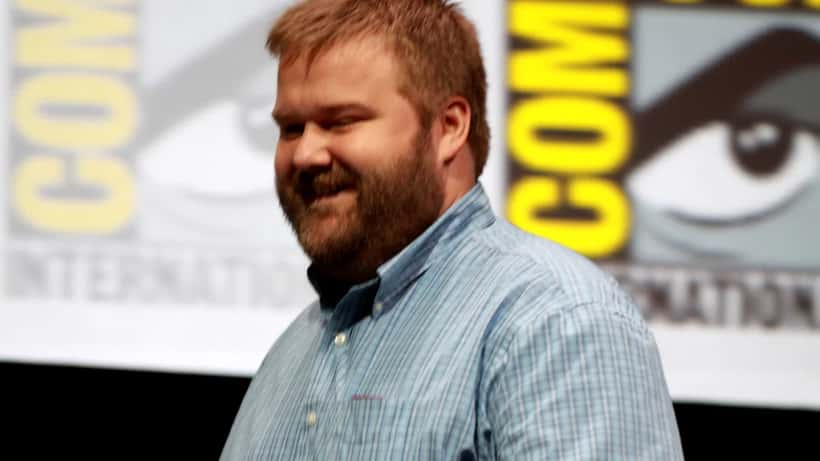
Robert Kirkman created The Walking Dead as an independent comic in 2003 and sold the live-action rights to AMC in 2009. In 2026, as Invincible Season 4 airs on Amazon Prime Video to critical acclaim and his new comic "Terminal" launches in July, Kirkman is still unable to produce the one adaptation he most wants: an animated Walking Dead series. The reason is straightforward and familiar to anyone who works in intellectual property law — he no longer controls the rights.
What Happened to The Walking Dead IP
The Walking Dead television rights were acquired by AMC in 2009. The deal produced one of the most successful cable series in history, running 11 seasons and generating spinoffs. It also transferred control of the core IP from its creator to the network.
In 2026, Kirkman has made clear he wants to develop an animated Walking Dead adaptation — a format that has proven commercially powerful, as demonstrated by the manga-to-anime pipeline he himself discussed at ComicsPRO 2026 in the context of Invincible's success. But he cannot proceed without AMC's cooperation. The rights he sold in 2009 include the television and animated format rights, and reclaiming them — or licensing them back — requires a negotiation that has not yet produced results.
This scenario is not unique to Kirkman. It is one of the most common structural problems in the creative industry: a creator sells rights at a point when they need the deal, and later discovers that the asset they created has grown more valuable than the terms they accepted.
How IP Rights Work in Entertainment
Intellectual property rights in entertainment are divisible. A creator can sell print rights while retaining digital rights, sell live-action rights while retaining animation rights, sell domestic rights while retaining international rights. Or they can sell all rights in all formats, which is often what happens when a studio — or a network — negotiates from a position of strength.
The key legal documents are:
Option agreements: A studio pays a fee for the right to purchase the IP within a defined window. During the option period, the creator typically cannot sell to anyone else. If the studio does not exercise the option, rights revert.
Assignment agreements: A full transfer of ownership. Unlike a license, an assignment gives the buyer the same rights the original owner had, including the ability to create derivative works, sequels, and adaptations.
License agreements: A permission to use the IP in a defined way without transferring ownership. A license can be exclusive or non-exclusive, time-limited or perpetual, format-specific or broad.
The difference between an assignment and a broad license is often the difference between Kirkman's current situation — wanting to make an animated series he cannot make — and a creator who retained animation rights and can proceed independently.
The Rights Recapture Question
Under U.S. copyright law, there is a mechanism for creators to reclaim assigned rights: the termination right, codified in Sections 203 and 304 of the Copyright Act. Authors (or their heirs) can terminate a transfer of rights during a specified window — generally 35 years after the assignment for post-1978 works.
For a 2009 assignment, that window would open in 2044. It is not a near-term solution. But for creators who are earlier in the process — who have not yet signed away rights to a major property — the termination right is a reason to structure deals carefully with legal counsel.
Short of termination, recapturing rights typically requires either purchasing them back (expensive if the property has become valuable), or negotiating a new deal that grants back specific rights in exchange for something the rights holder values.
What the Invincible Model Demonstrates
Kirkman has been more careful with Invincible. The Amazon Prime Video deal has produced an acclaimed animated series now entering its fourth season, with a fifth confirmed. At ComicsPRO 2026, Kirkman noted that the Invincible animated series actively drives comic sales — the manga-to-anime feedback loop that has proven commercially powerful across the industry.
The terms of the Invincible deal are not public. But the outcome — Kirkman visibly engaged with the production, ranking the seasons, publicly discussing future creative directions — suggests a different level of creator involvement than the Walking Dead arrangement ultimately produced. That involvement likely reflects better-structured rights terms.
What Creators at Any Level Can Learn
The Walking Dead is a $1 billion franchise. But the dynamics Kirkman faces are not limited to that scale. Any creator who signs an agreement assigning rights to a production company, streaming platform, or publisher faces the same structural exposure.
An entertainment attorney can:
- Review assignment versus license language before signing
- Negotiate format-specific carve-outs (retaining animation, gaming, or digital rights)
- Include reversion clauses (rights return to the creator if the assignee does not exploit them within a defined period)
- Structure agreements to preserve creative approval rights in adaptations
ExpertZoom connects creators, authors, game developers, and entertainment professionals with entertainment law specialists who review IP agreements before signing — when the leverage is highest and the terms are still negotiable. Read about Tarantino's screenplay IP deal with Netflix and the lessons for creators for another example of how top creators navigate rights ownership. See also Coyote vs. Acme: what the studio IP battle means for creative contracts.
Kirkman created the Walking Dead universe. In 2026, he can create new seasons of Invincible and launch Terminal — but he still cannot make the animated Walking Dead he envisions. That gap is a legal contract problem, not a creative one.
This article is for informational purposes only and does not constitute legal advice. Consult a qualified entertainment attorney for guidance on intellectual property agreements.
Source: U.S. Copyright Office — Termination of Transfers and Licenses (U.S. Copyright Office)
