 Charles Jackson
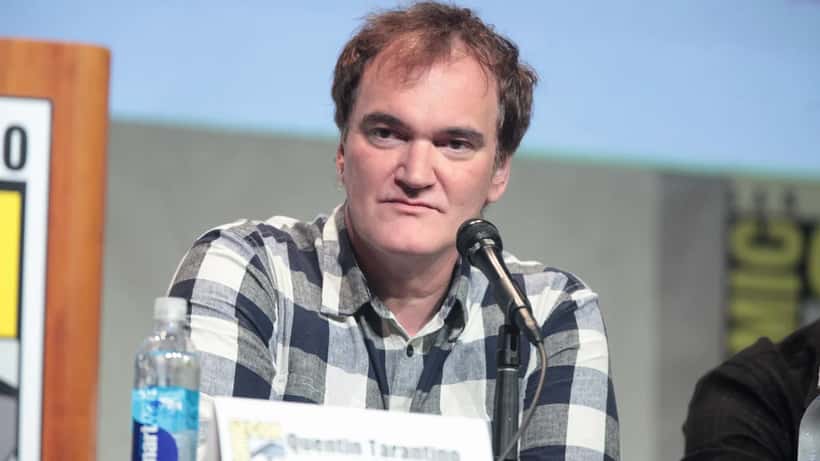
For the first time in 30 years, someone other than Quentin Tarantino will direct one of his original screenplays. "The Adventures of Cliff Booth," written by Tarantino and directed by David Fincher, is heading to Netflix in August 2026 — a $200 million production that marks a watershed moment in how Hollywood's most guarded auteur has structured his creative rights.
For lawyers who specialize in intellectual property and entertainment law, the deal raises a question every creative professional should be asking: what does it actually mean to "own" your work?
The Tarantino Deal — What We Know
The film is a standalone sequel to "Once Upon a Time in Hollywood" (2019), featuring Brad Pitt and Timothy Olyphant reprising their roles. Tarantino wrote the screenplay. Fincher is directing. The budget is approximately $200 million, financed through Netflix.
This arrangement — an auteur writer selling directorial rights to a peer director — is unusual in an industry where writer-directors typically maintain creative control as a package. According to The U.S. Copyright Office, a screenplay is a literary work protected from the moment of creation. But copyright protection and deal protection are two very different things.
What makes this transaction notable is not just its scale. It is the signal it sends: even a filmmaker with Tarantino's leverage and reputation has structured a deal where another creative takes the chair on his material. That does not happen by accident. It happens through contracts.
The Three IP Layers Every Creator Should Understand
Most creators — whether they are novelists, screenwriters, game designers, musicians, or software developers — confuse copyright ownership with commercial control. They are not the same.
Layer 1: Copyright Ownership
In the United States, copyright in an original creative work vests immediately in the author upon creation. No registration is required for the right to exist. However, registration with the U.S. Copyright Office is required before you can sue for infringement in federal court — and registration within three months of publication allows you to pursue statutory damages (up to $150,000 per work) rather than only actual damages.
Layer 2: Licensing and Transfer Rights
Copyright can be licensed (temporarily granted to another party) or transferred (permanently assigned). A "work for hire" agreement — common in corporate settings — transfers copyright to the employer or commissioning party from the start. Freelancers who sign work-for-hire clauses without realizing it often discover they have no ownership rights to work they created.
In Tarantino's case, he appears to have licensed directorial rights while retaining screenplay credits and likely a portion of backend profits. The distinction matters enormously for any creator entering a co-production or licensing arrangement.
Layer 3: Moral Rights and Attribution
U.S. law offers limited moral rights — primarily through the Visual Artists Rights Act (VARA), which applies to fine art but not to most commercial creative works. By contrast, European law offers stronger moral rights protections. Tarantino's deal is a reminder that in the U.S., protecting your right to be credited — and to control how your work is presented — requires contractual drafting, not reliance on statute.
What This Means for Independent Creators
The Tarantino-Fincher deal involves two parties with experienced entertainment lawyers and decades of industry relationships. Most creative professionals are not in that position — and that's exactly when IP mistakes happen.
See also: Avengers: Doomsday's $80M Deals Reveal How Entertainment IP Rights Work
The most common IP errors independent creators make:
1. Signing agreements without registering copyright first. If you register your work before someone else publishes it without authorization, you have access to statutory damages and attorney's fees. If you register after the infringement, you may only recover actual damages — often minimal.
2. Confusing "credit" with "control." Having your name on a project does not mean you have a say in how it is used, distributed, sequeled, or adapted. Those rights must be explicitly negotiated and written into the contract.
3. Missing termination rights. Under U.S. copyright law (Section 203), creators have the right to terminate most copyright transfers 35 years after the grant. This is a powerful tool for recovering rights — but it requires proactive legal action, not automatic restoration.
4. Neglecting work-for-hire clauses. In contracts for freelance work, brand partnerships, or employment, a single clause can transfer all rights to the client. Many creators sign these without reading them carefully or understanding the long-term implications.
When to Consult an IP or Entertainment Lawyer
Not every creative deal requires a specialist from day one. But several situations demand professional advice:
- You are entering a licensing deal or co-production arrangement
- You have received an offer that involves transfer of rights to your original work
- You believe your work has been used without permission (online, in advertising, in another creative work)
- You are creating a derivative work and need to assess fair use
- You are structuring a partnership where multiple parties contribute creative work
An intellectual property lawyer can draft agreements that protect your interests in sequels, adaptations, and derivative works — the areas where most creators lose value without realizing it.
Expert Zoom connects you with experienced intellectual property and entertainment lawyers who can review contracts, register copyrights, and protect your creative work before a deal goes wrong — not after.
The Tarantino-Fincher deal is a masterclass in what sophisticated IP structuring looks like. Every creative professional deserves access to that expertise, at whatever scale their work operates.
This article is for informational purposes only and does not constitute legal advice. Consult a qualified intellectual property attorney for guidance specific to your situation.
