 Isabella Torres
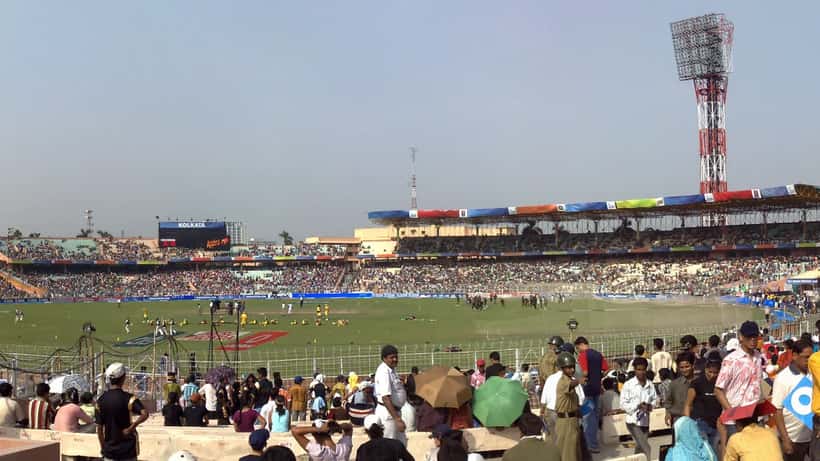
Royal Challengers Bengaluru are playing Match 54 of IPL 2026 in Raipur today — away from their home ground at M. Chinnaswamy Stadium in Bengaluru. The reason: a deadly crowd crush during RCB's IPL victory parade in 2025 claimed 11 lives at Chinnaswamy, leading authorities to restrict large-scale events at the venue while investigations and legal proceedings continue. Across the United States, tens of thousands of cricket fans in the Indian diaspora follow IPL matches live — and many are unaware that crowd disaster law applies to them at US sporting events just as it would at Chinnaswamy.
When a stadium crush happens, victims and families have legal rights. Knowing them matters.
What Happened at Chinnaswamy — and Why RCB Is in Raipur
In 2025, RCB won the IPL title for the first time and organized a victory parade at M. Chinnaswamy Stadium. The crowd swelled far beyond the venue's stated capacity. In the resulting crush, 11 people died and dozens were injured. Investigations into event organization, crowd management failures, and security lapses followed. In 2026, two of RCB's home matches have been relocated to Shaheed Veer Narayan Singh International Stadium in Raipur — a consequence of the ongoing legal and regulatory response to last year's disaster.
The stadium, the event organizers, and the Board of Control for Cricket in India (BCCI) all face scrutiny over the failures that led to the tragedy. This pattern — large event, inadequate crowd control, deadly crush, multi-party liability — is not unique to India.
US Law on Stadium Crowd Safety: Who Is Liable?
In the United States, premises liability law governs the legal responsibility of venue owners and event organizers when attendees are injured or killed at sporting events. Under this doctrine, a venue owner has a duty of reasonable care toward invitees — paying guests — to maintain a safe environment.
When crowd management failures cause injury or death, multiple parties can face liability claims:
The venue owner — for inadequate exits, insufficient staffing, overcrowding beyond legal capacity, or physical infrastructure failures (collapsed barriers, locked gates)
The event organizer — for failing to implement a crowd management plan, failing to respond to developing crowd density emergencies, or misrepresenting the safety of the event
Security contractors — for failures to follow written crowd management protocols, to communicate with medical teams, or to physically intervene in developing crowd situations
Ticket resellers and third-party promoters — in some states, if misleading ticketing created overcrowding conditions
The CDC's guidance on mass gatherings highlights that stampedes are most often caused by overcapacity, poor crowd control, inadequate exits, and structural failures — precisely the conditions that courts examine in US premises liability cases.
The US Precedent: Astroworld 2021
The most significant US crowd disaster lawsuit of the last decade involved the Travis Scott Astroworld Festival in Houston in November 2021, where 10 people died in a crowd crush at NRG Park. The resulting litigation named more than 250 defendants and produced settlements totaling over $950 million in reported value across thousands of individual claims.
Astroworld established several key precedents in US courts:
- Event organizers can be held liable for continuing a performance after crowd density exceeded safe thresholds
- Venue operators who ignored crowd safety warnings from security staff can face enhanced damages
- Municipalities that issued permits without adequate safety reviews have faced joint liability claims in similar cases
- Families of victims who died in crowd crushes can pursue wrongful death claims under state law, in addition to any personal injury claims for surviving victims
For US sports fans attending NFL games, NBA arenas, MLB stadiums, and major concert events, these precedents matter. The Chinnaswamy tragedy and RCB's resulting displacement to Raipur serve as a visible reminder of how quickly a joyful crowd event can become a legal crisis — and how inadequate preparation by organizers creates the conditions.
What a Lawyer Can Do for Crowd Disaster Victims and Families
If you or a family member were injured in a crowd crush at a sporting event, music festival, or stadium event in the United States, a premises liability attorney can help with:
Identifying all liable parties. Crowd disaster cases routinely involve multiple defendants: the venue, the promoter, security contractors, local authorities who approved the event, and equipment manufacturers if barrier failures were involved. Missing one defendant can leave significant compensation unclaimed.
Preserving evidence. Venues and promoters move quickly to remove physical evidence after a disaster. A lawyer can issue preservation letters and, in cases with serious injuries, move for emergency injunctions to prevent destruction of crowd management records, CCTV footage, and staffing logs.
Calculating full damages. In addition to medical expenses and lost wages, crowd crush survivors often face long-term psychological trauma, PTSD, and reduced quality of life. An attorney can quantify non-economic damages and ensure that the initial settlement offer does not undervalue what the law provides.
Navigating state-specific statutes of limitations. In most US states, personal injury claims must be filed within 2-3 years of the event. Wrongful death claims typically follow a similar timeline. Waiting too long forfeits the right to recover.
When to Call a Sports Event Attorney
Event attorneys who handle premises liability at sporting events recommend that anyone injured at a stadium or concert venue seek legal consultation within 30 days — not because of the statute of limitations (which is years, not weeks) but because the earliest window is when evidence is most accessible and organizer communications have not been legally sanitized.
Today's IPL match in Raipur is a visible, live consequence of last year's Chinnaswamy tragedy: a team displaced, a stadium under restriction, investigations ongoing. The families of the 11 people who died deserve to see those proceedings run their full course. And US fans attending domestic sports events deserve to know that the same legal accountability framework applies at home.
ExpertZoom connects you directly with premises liability and personal injury lawyers who handle sporting event cases — in your state, on your schedule.
This article is for informational purposes only and does not constitute legal advice. Consult a licensed attorney regarding your specific situation.
